Explore the
Park
About Park
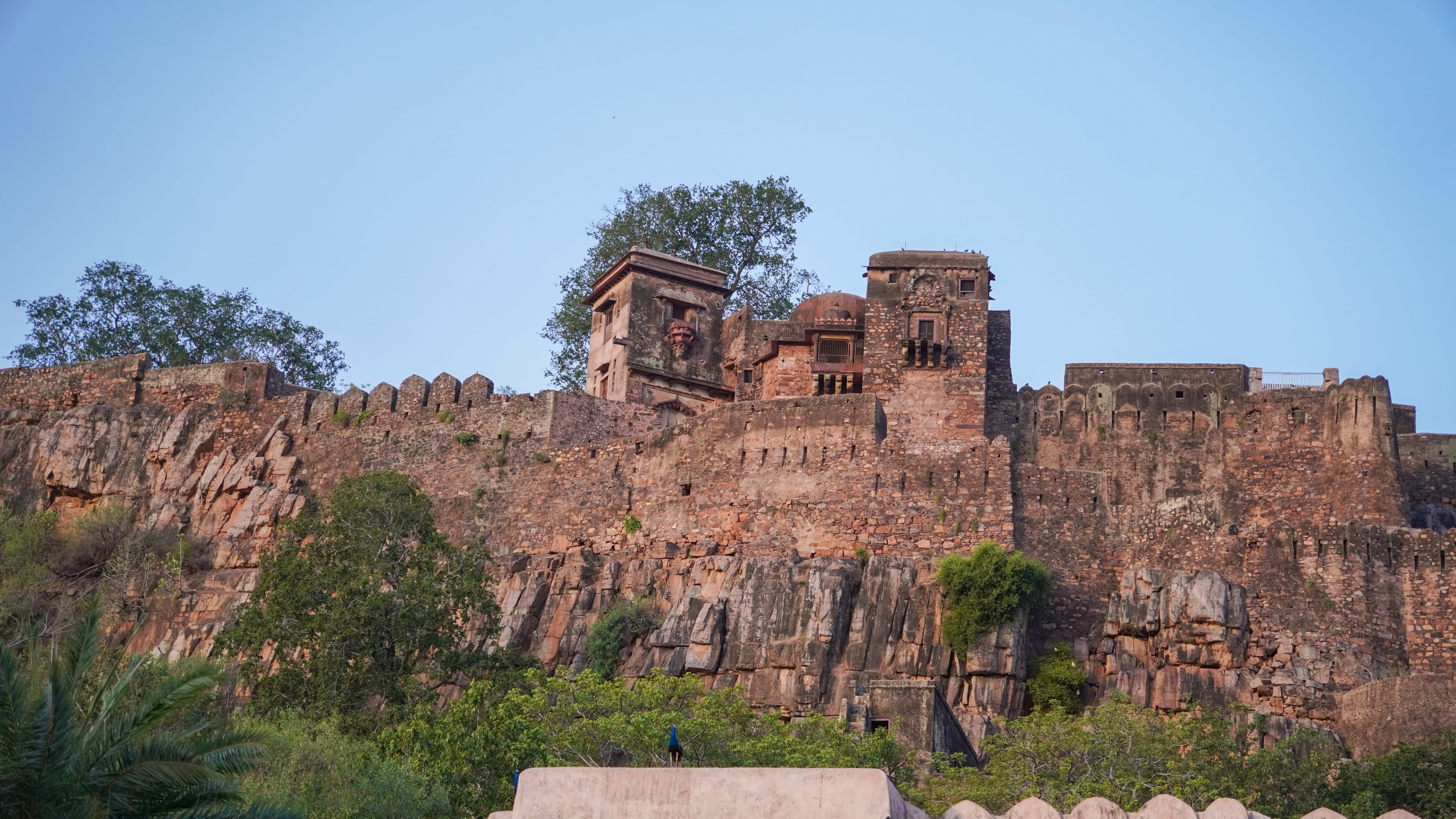
About Ranthambore National Park
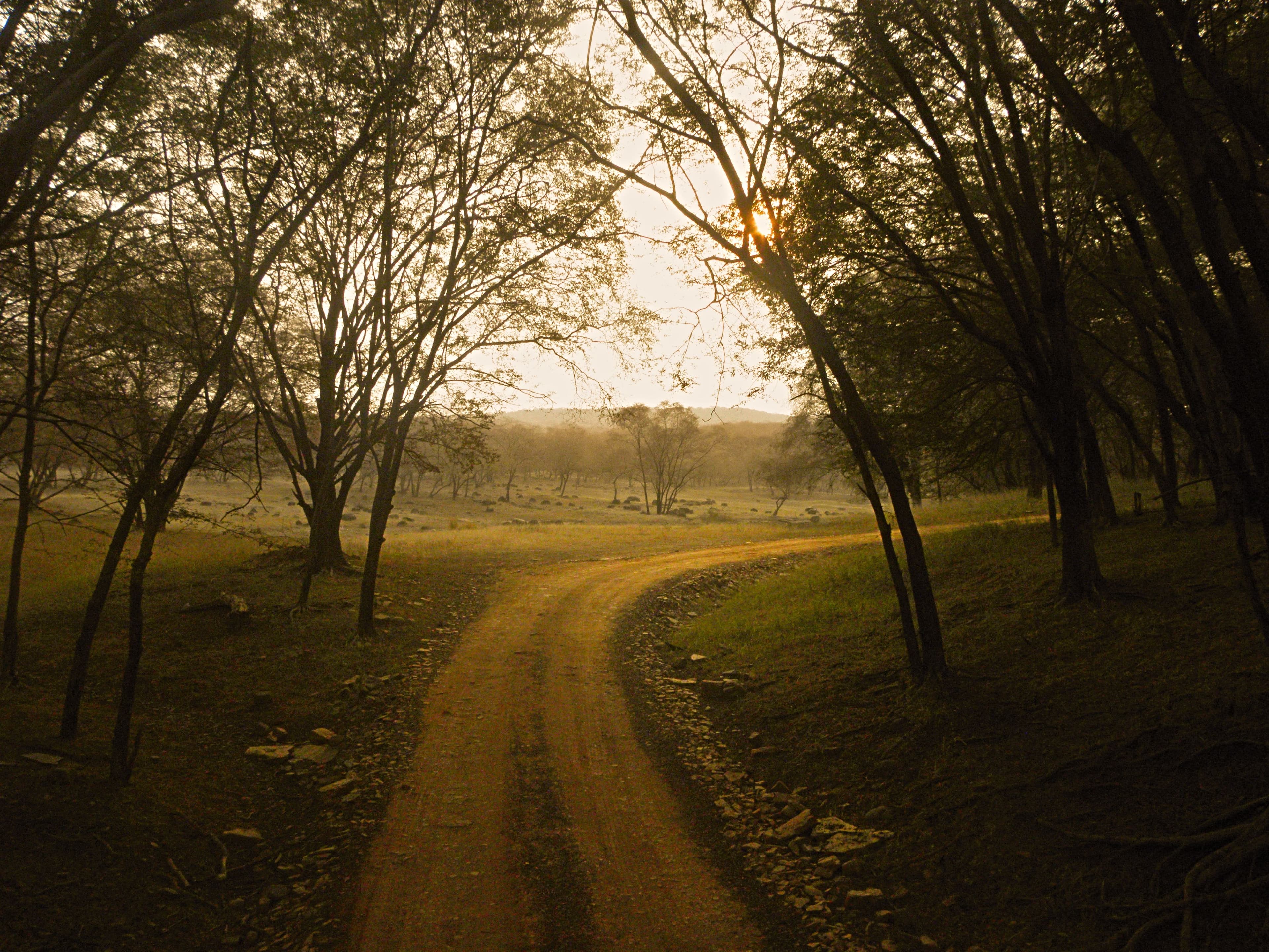
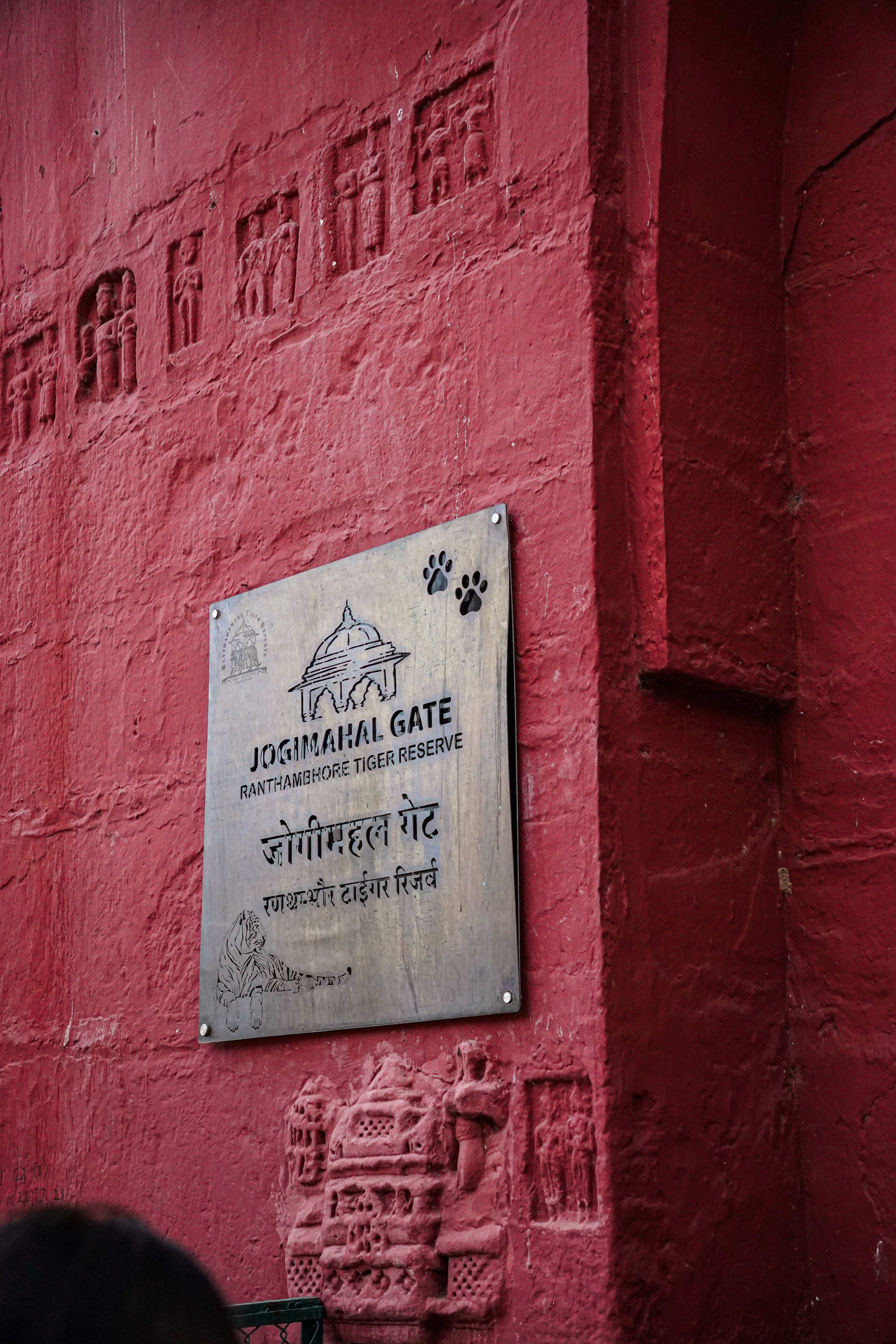
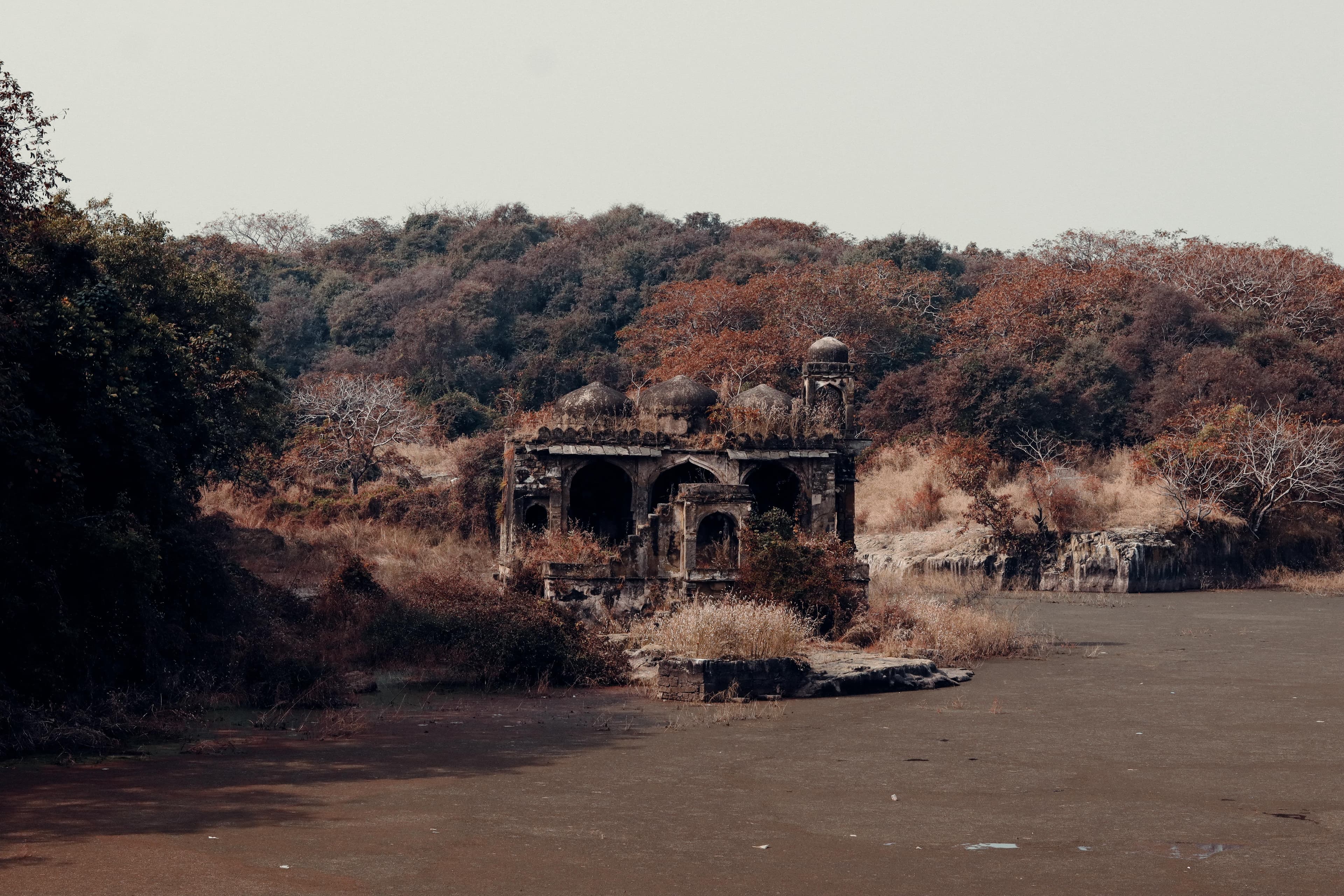
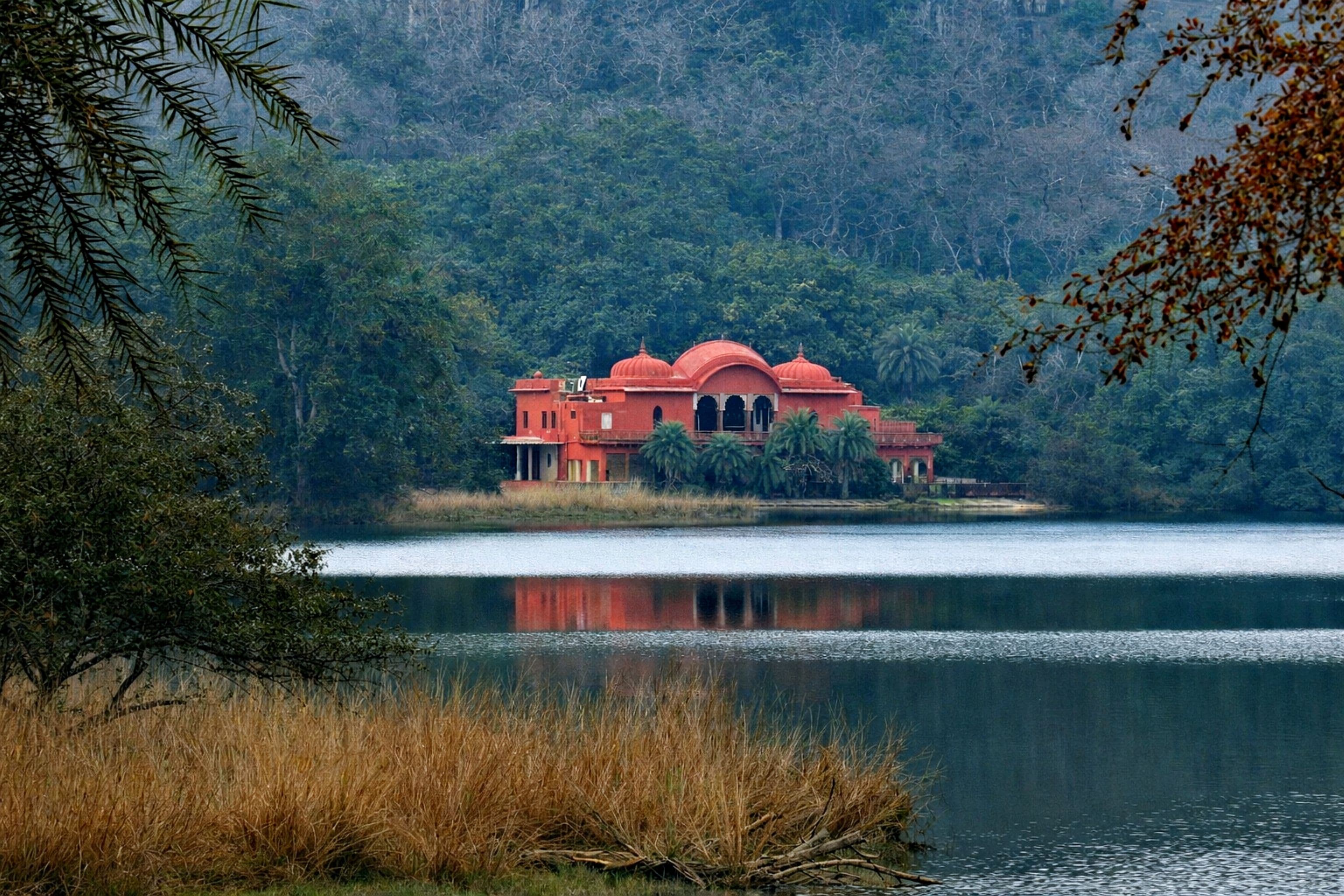
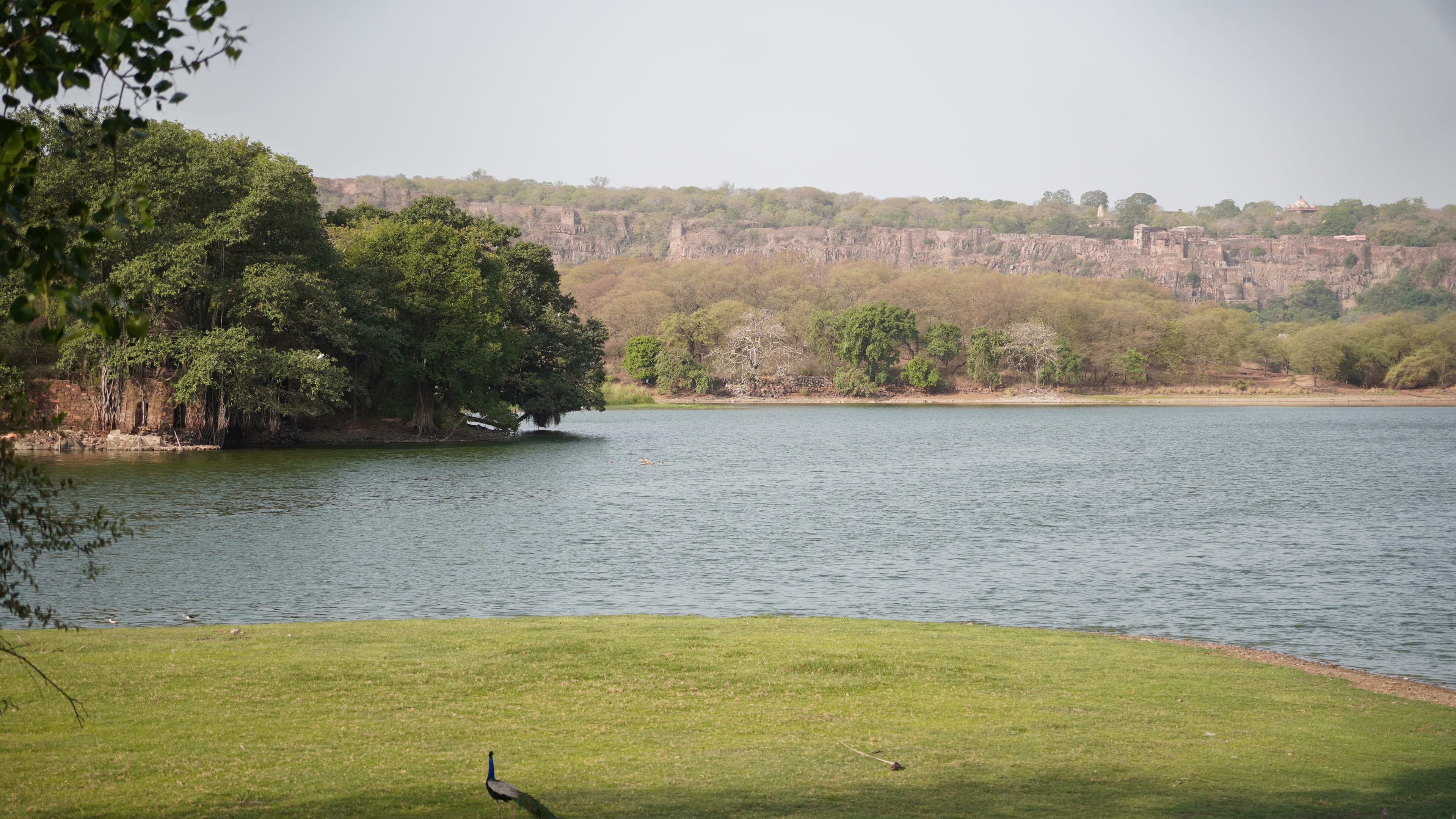
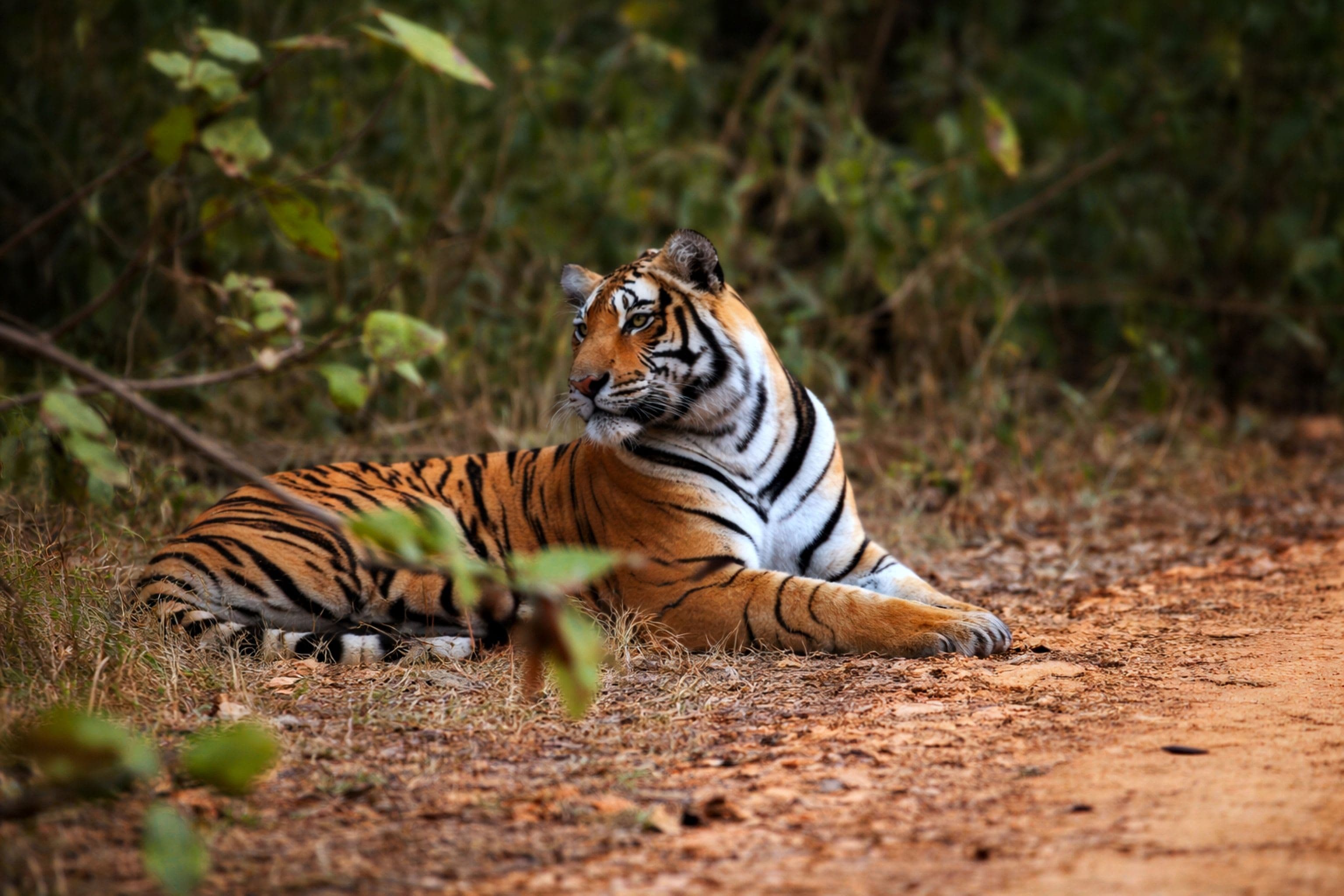
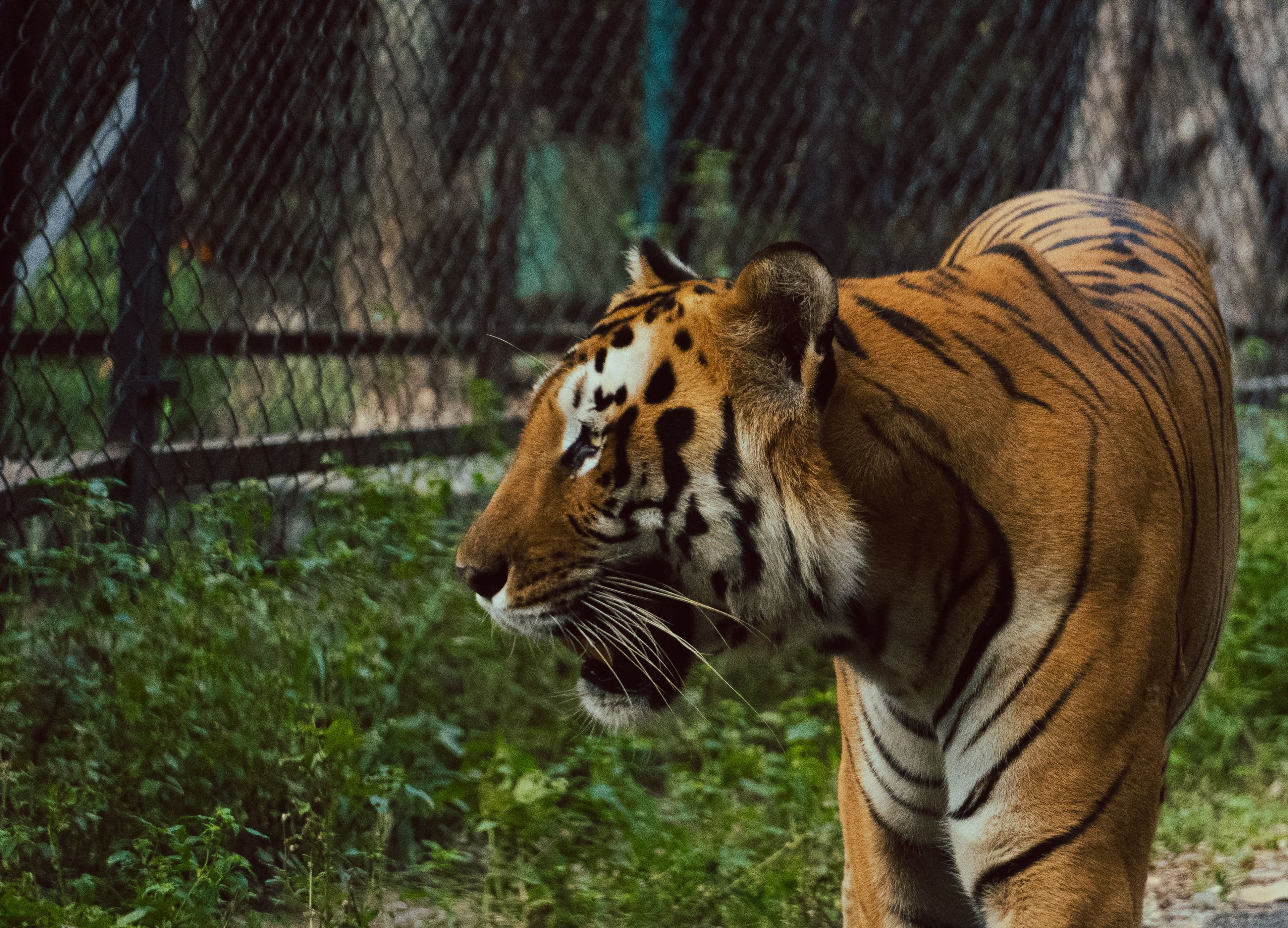
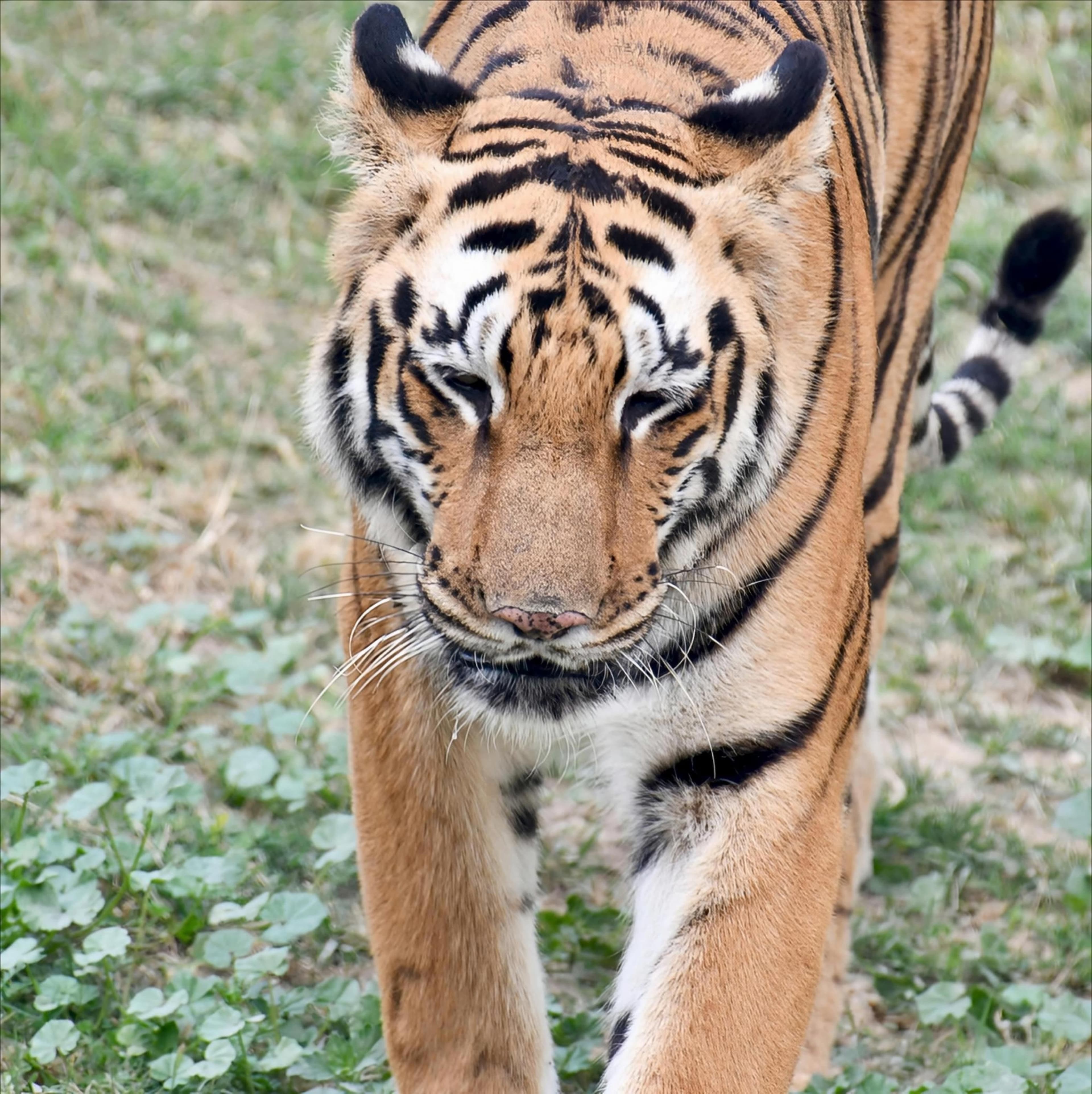
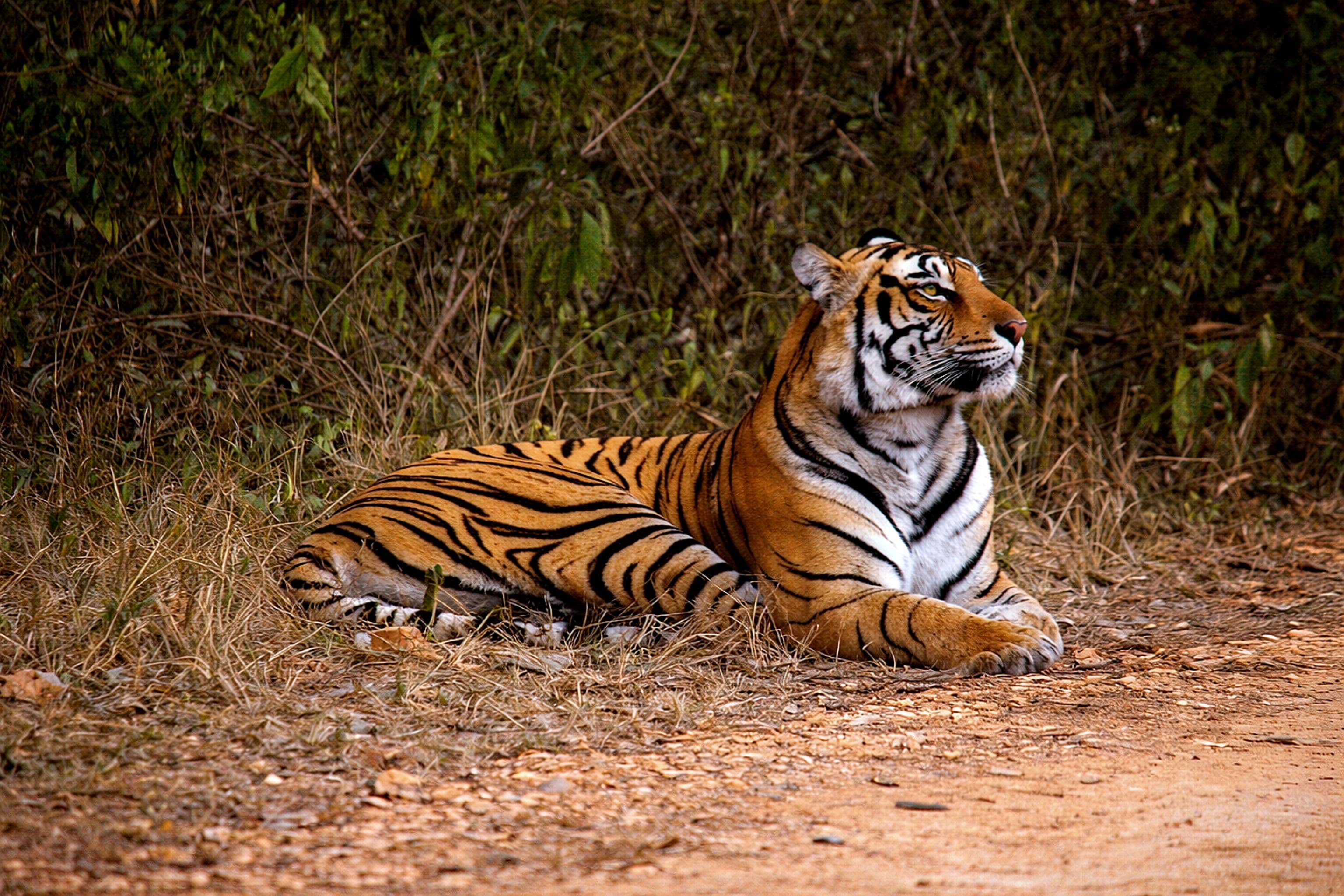
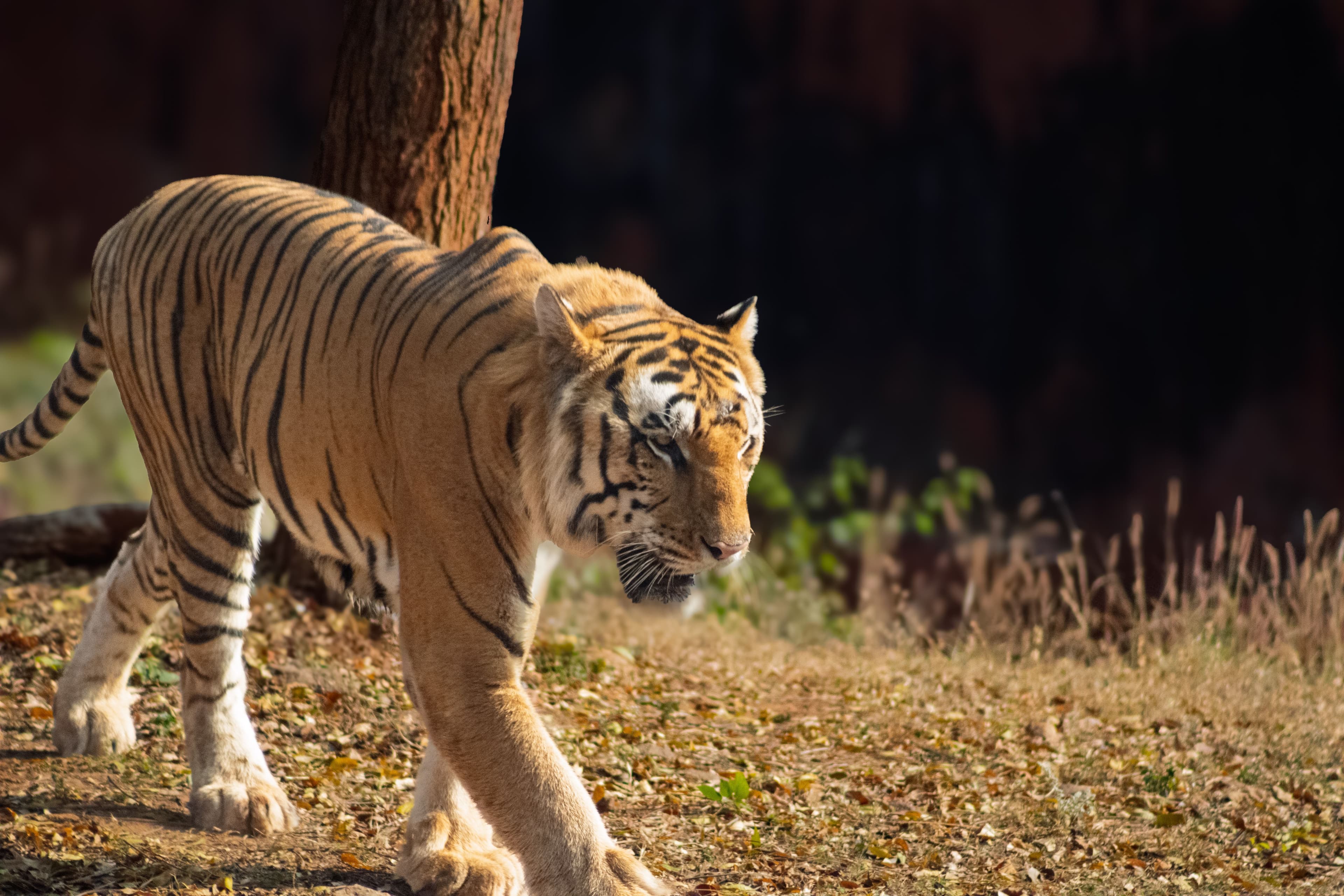
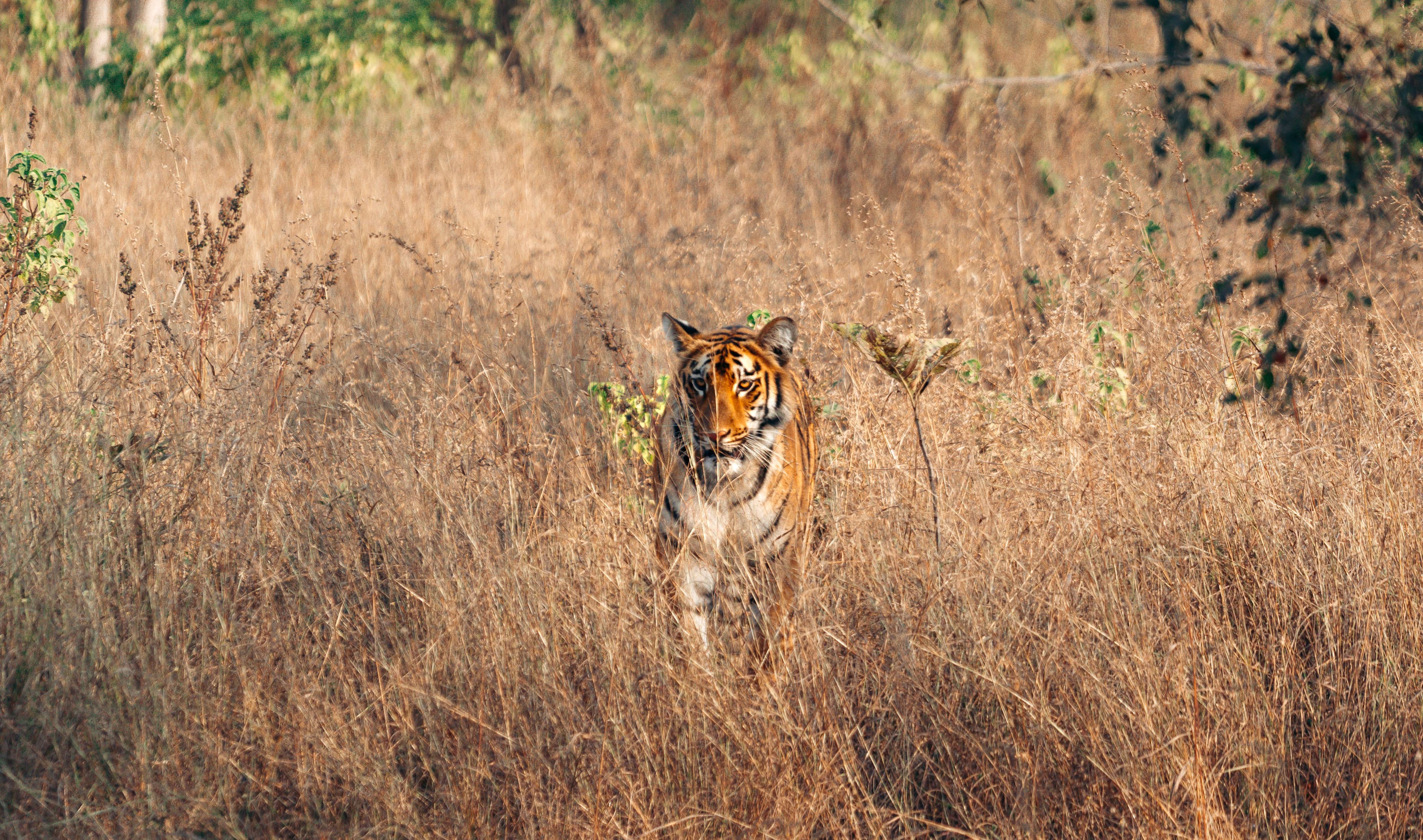
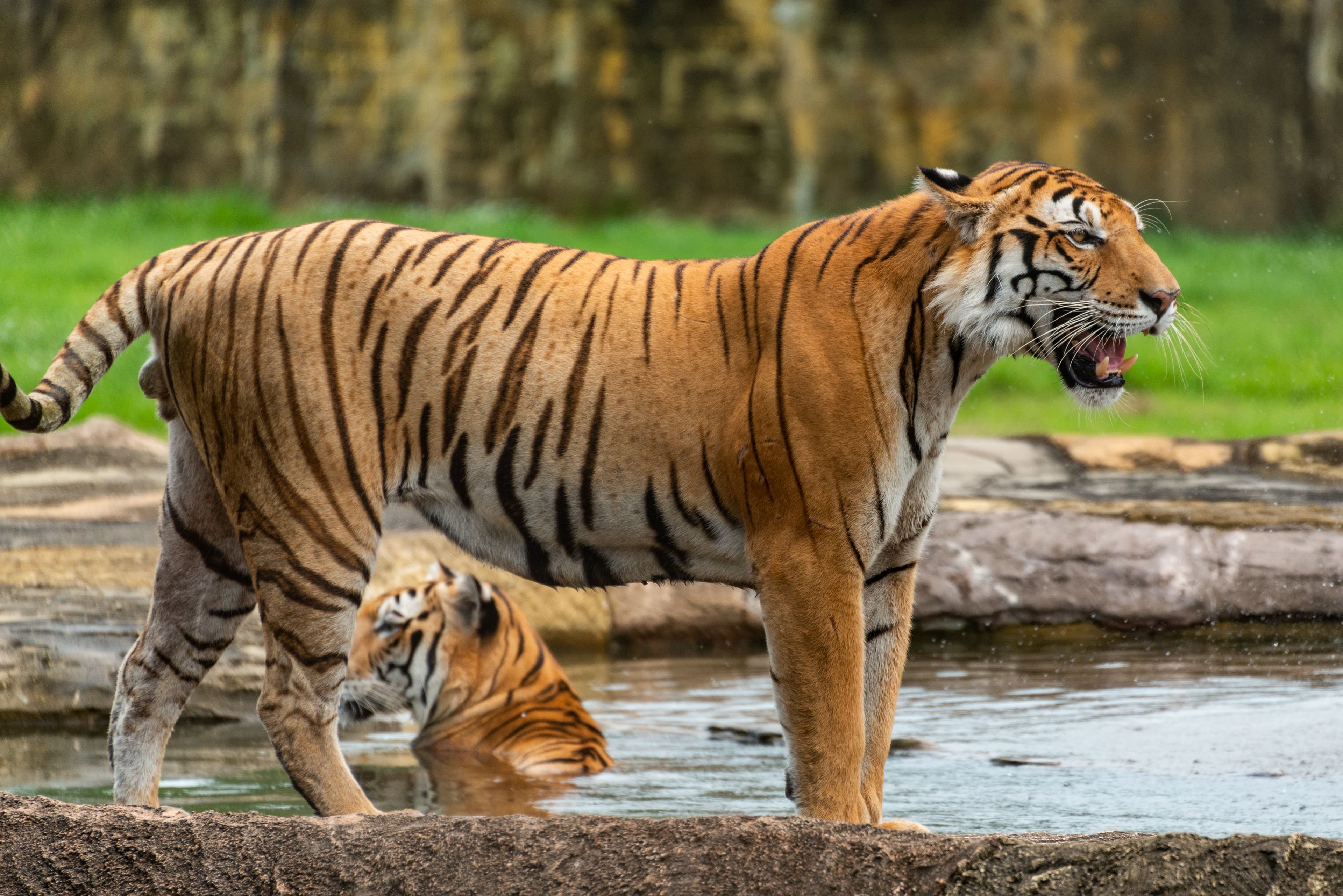
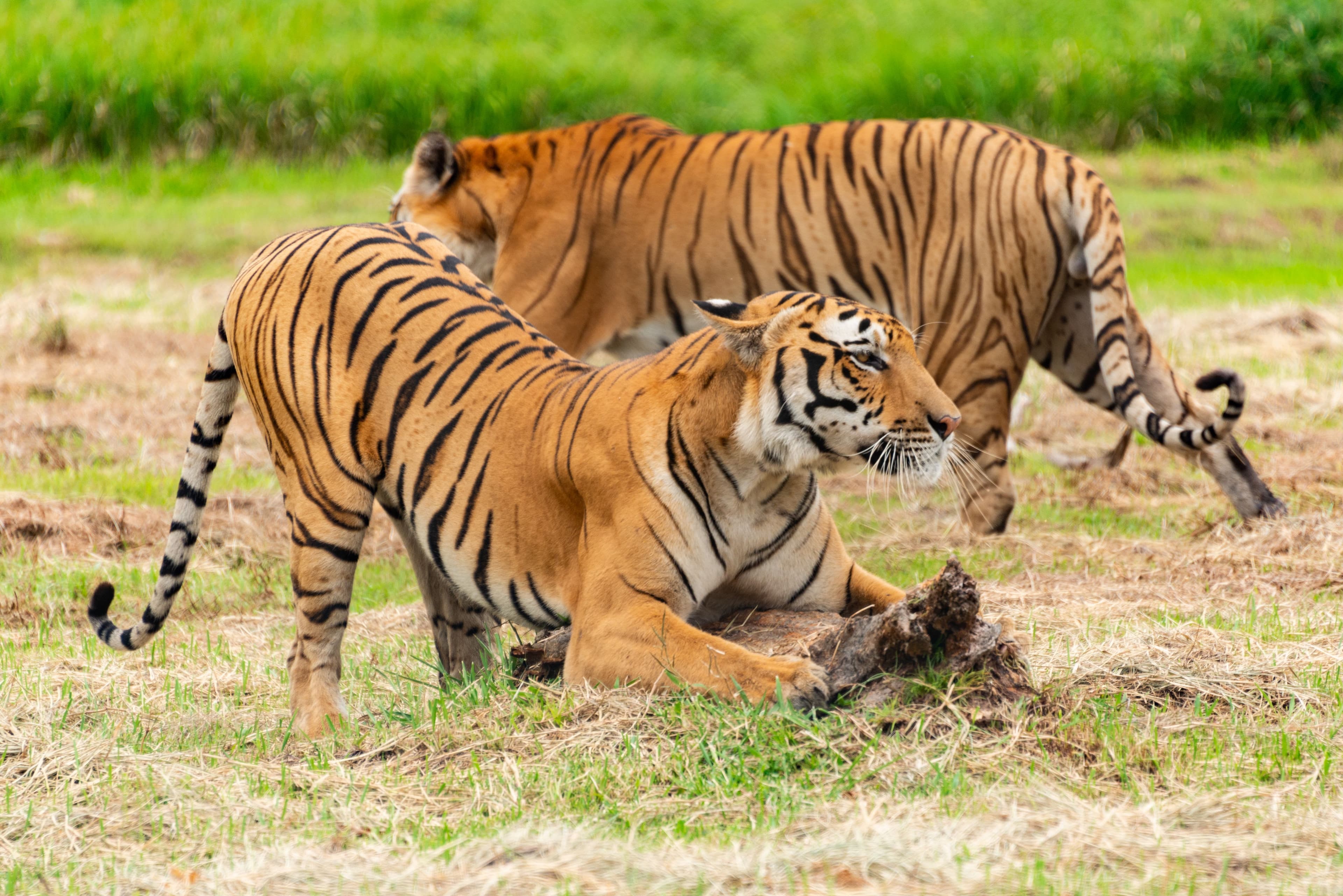
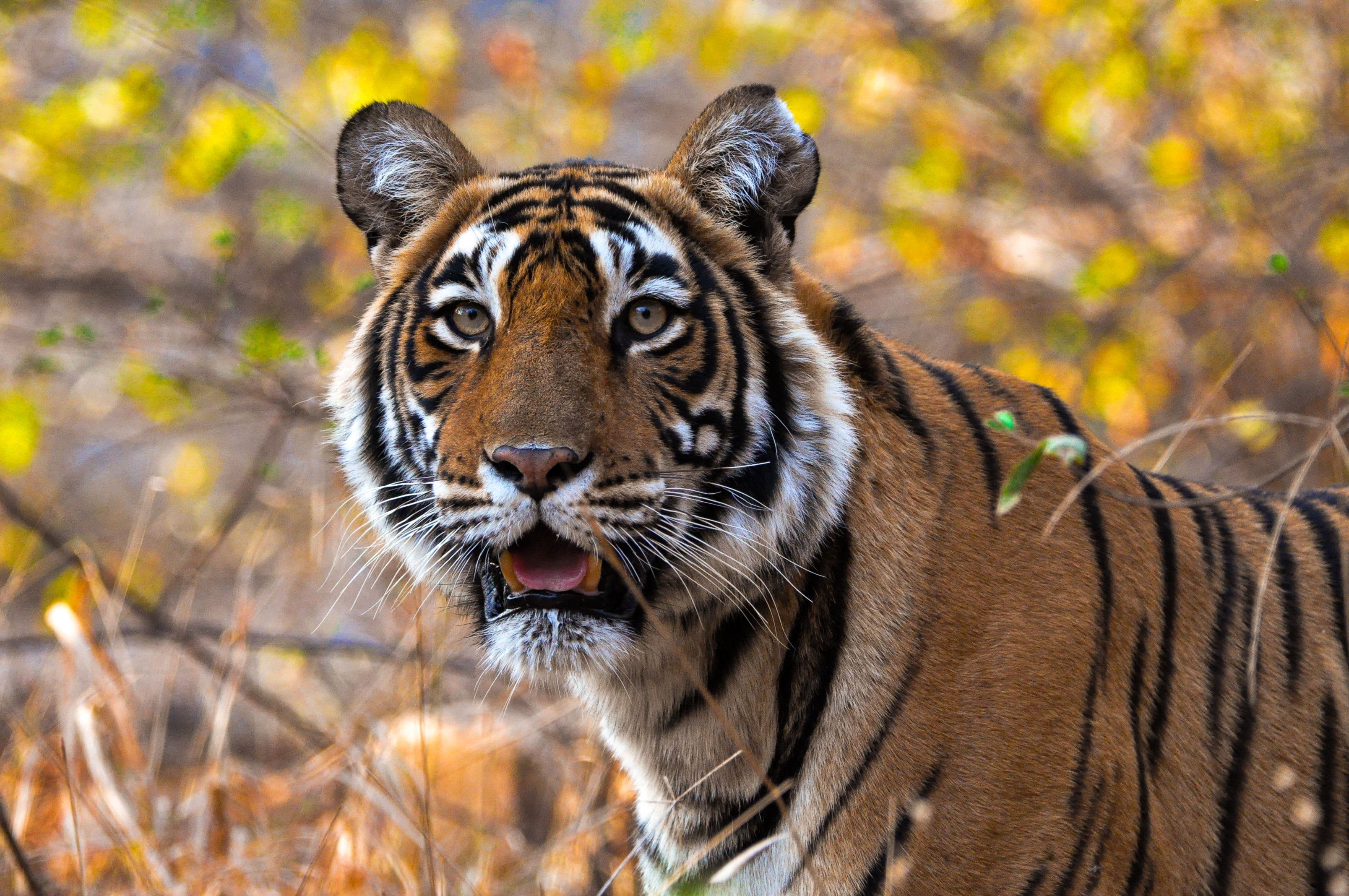
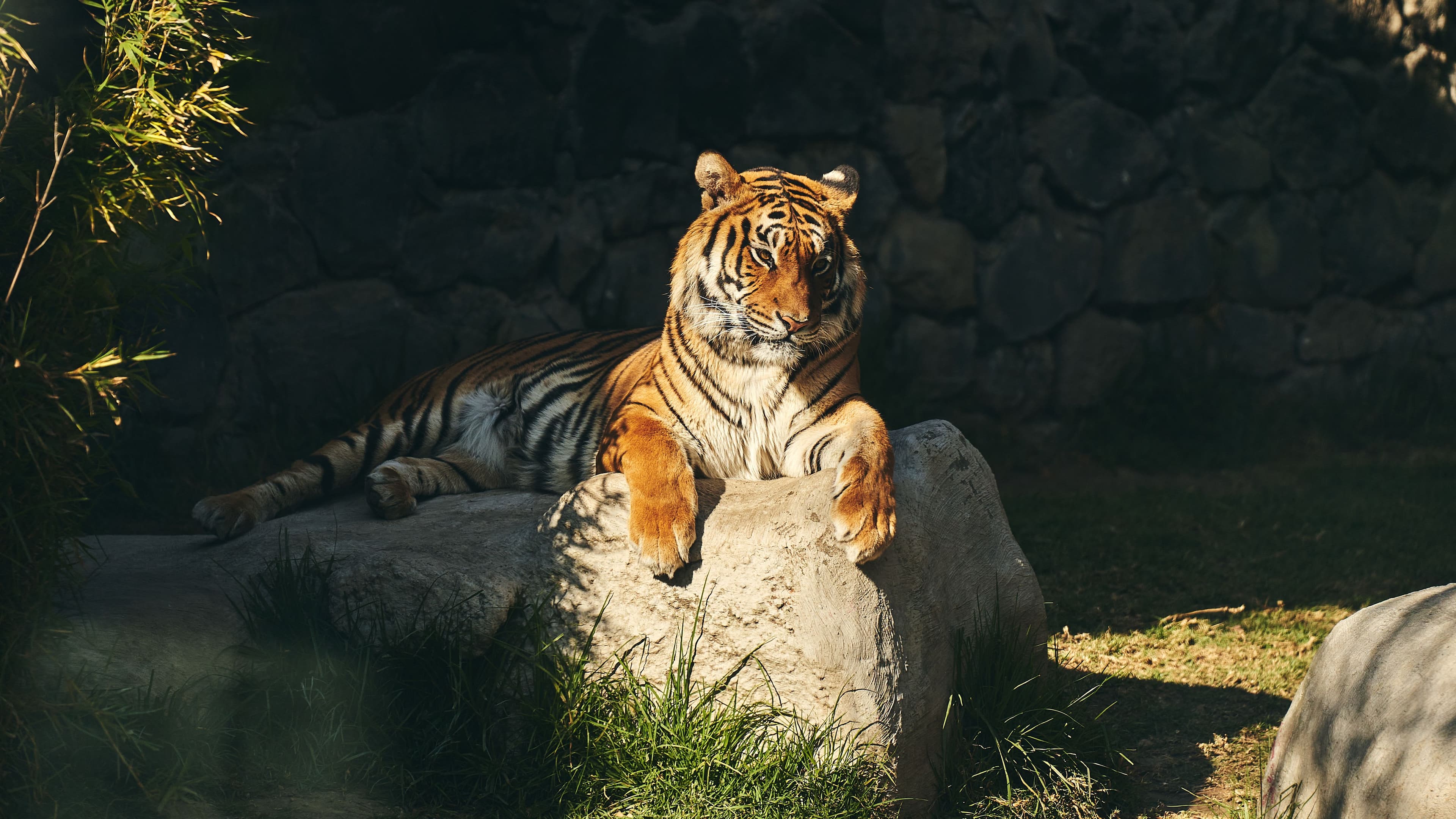
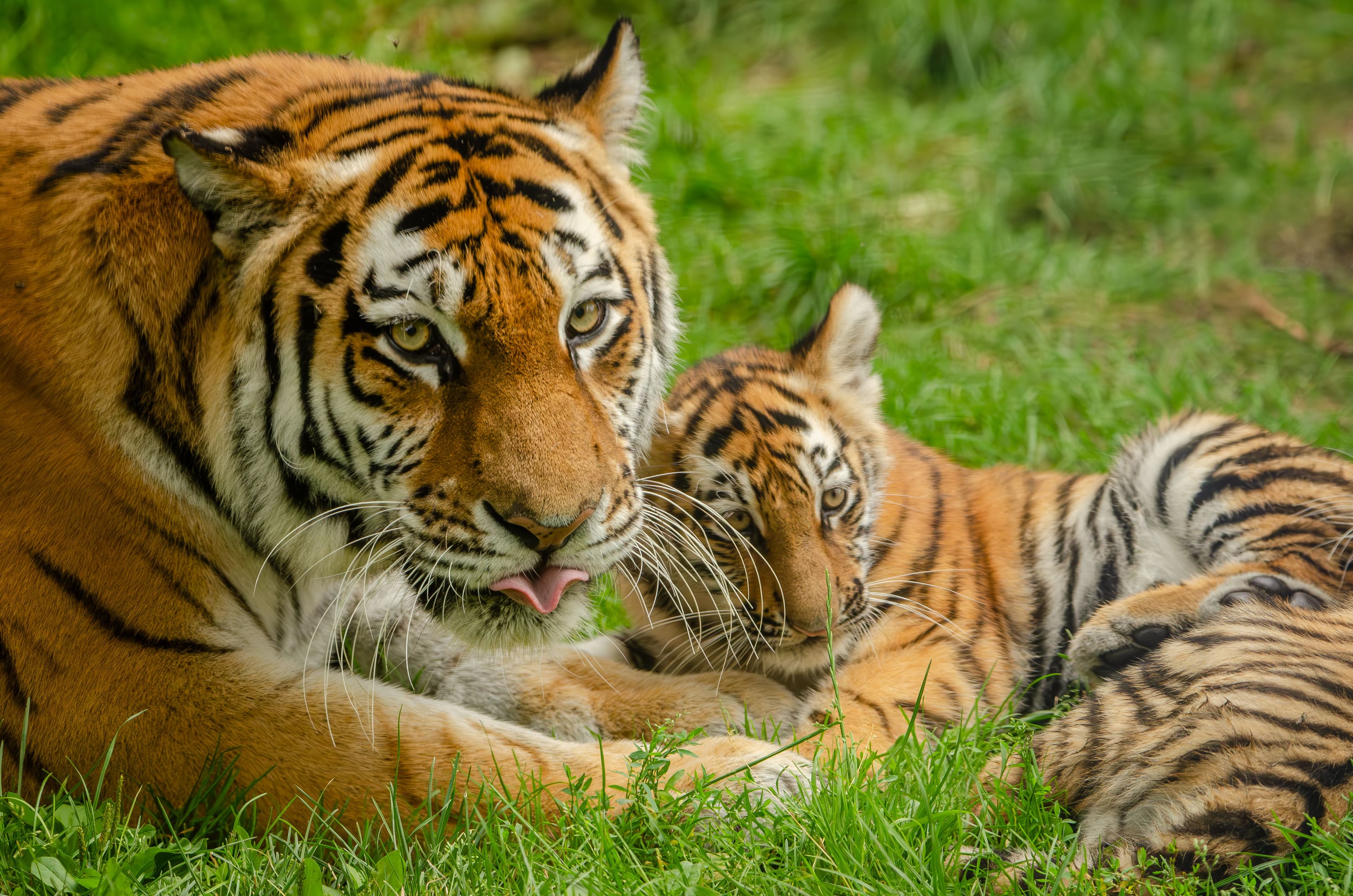
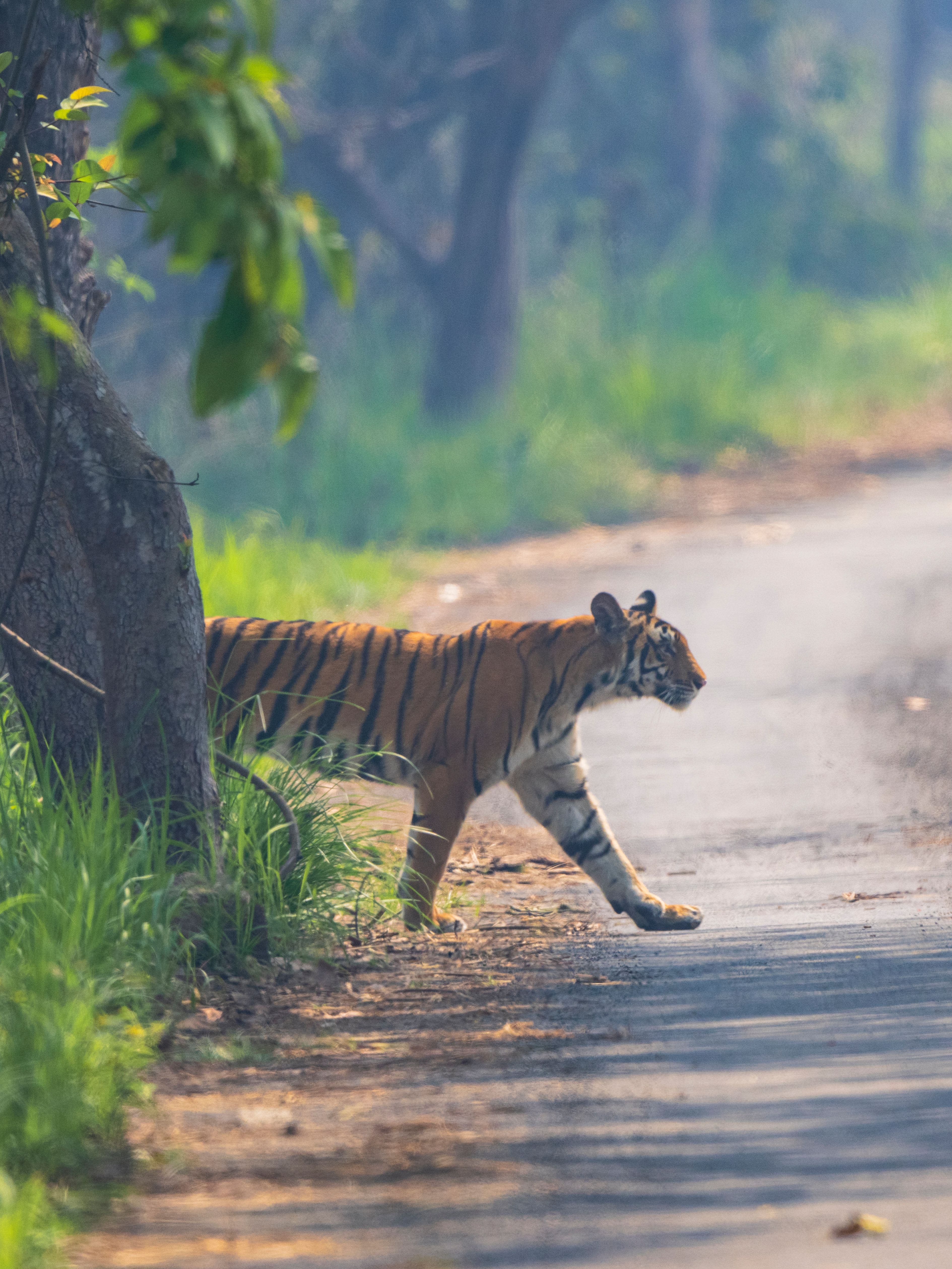
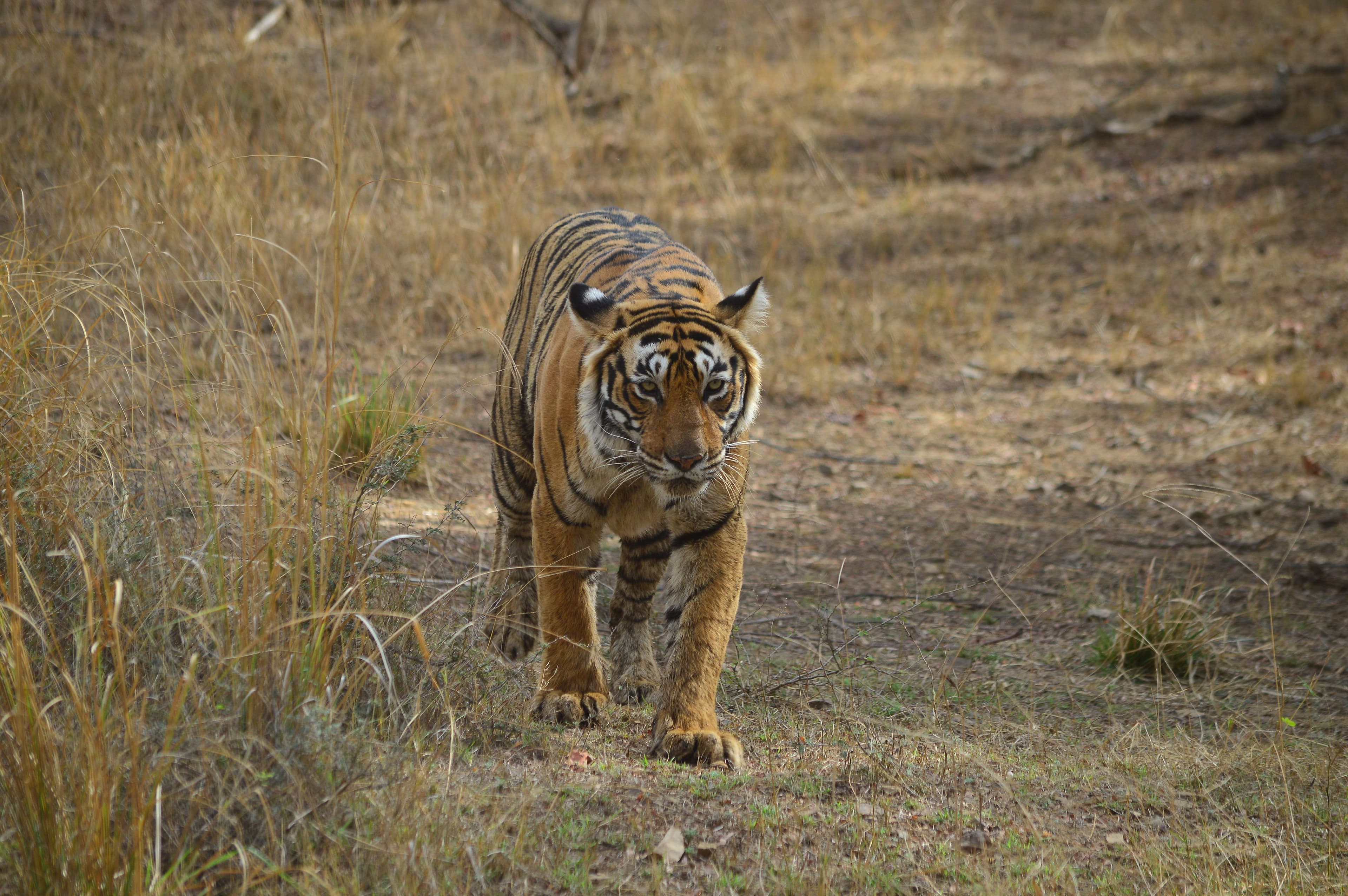
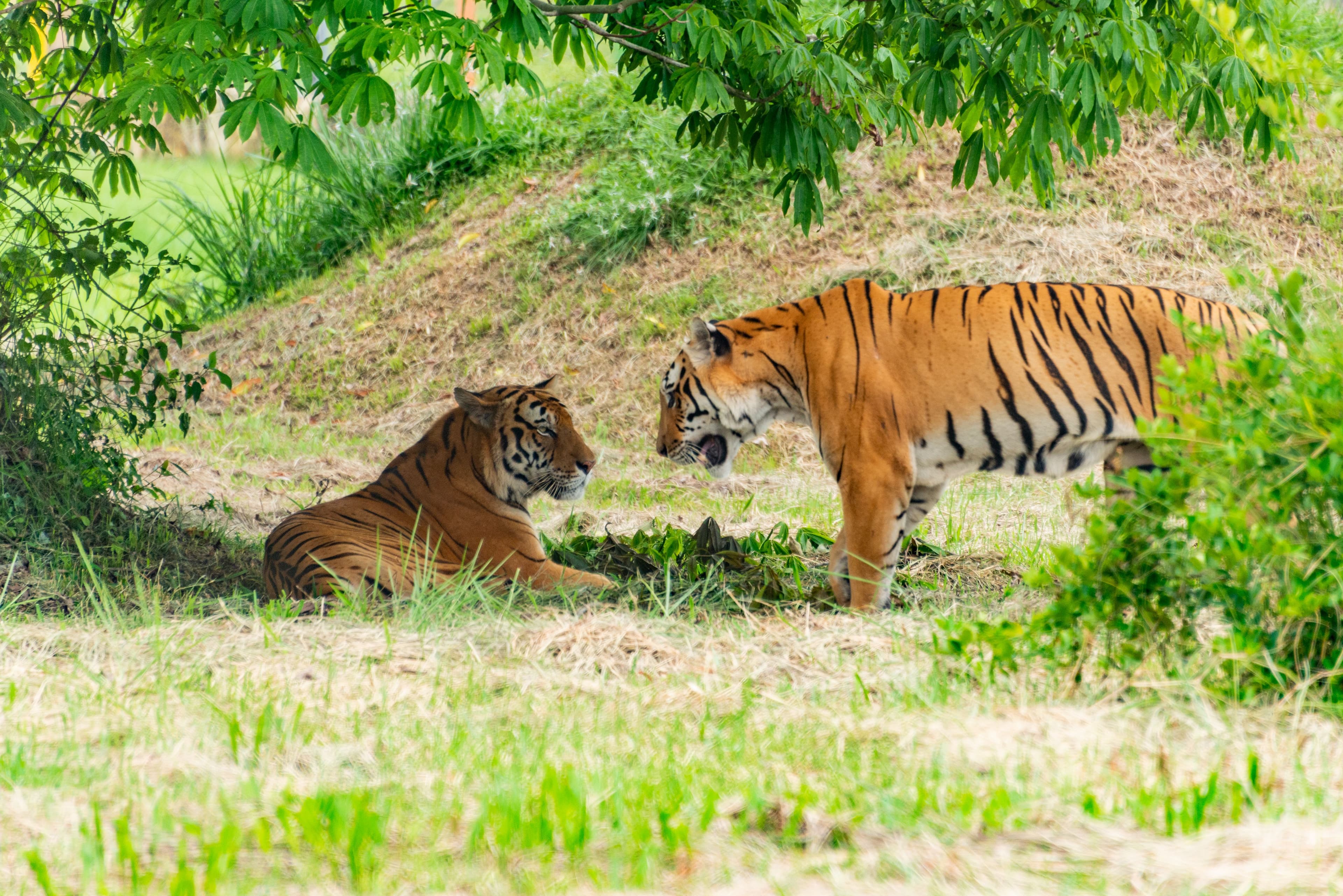
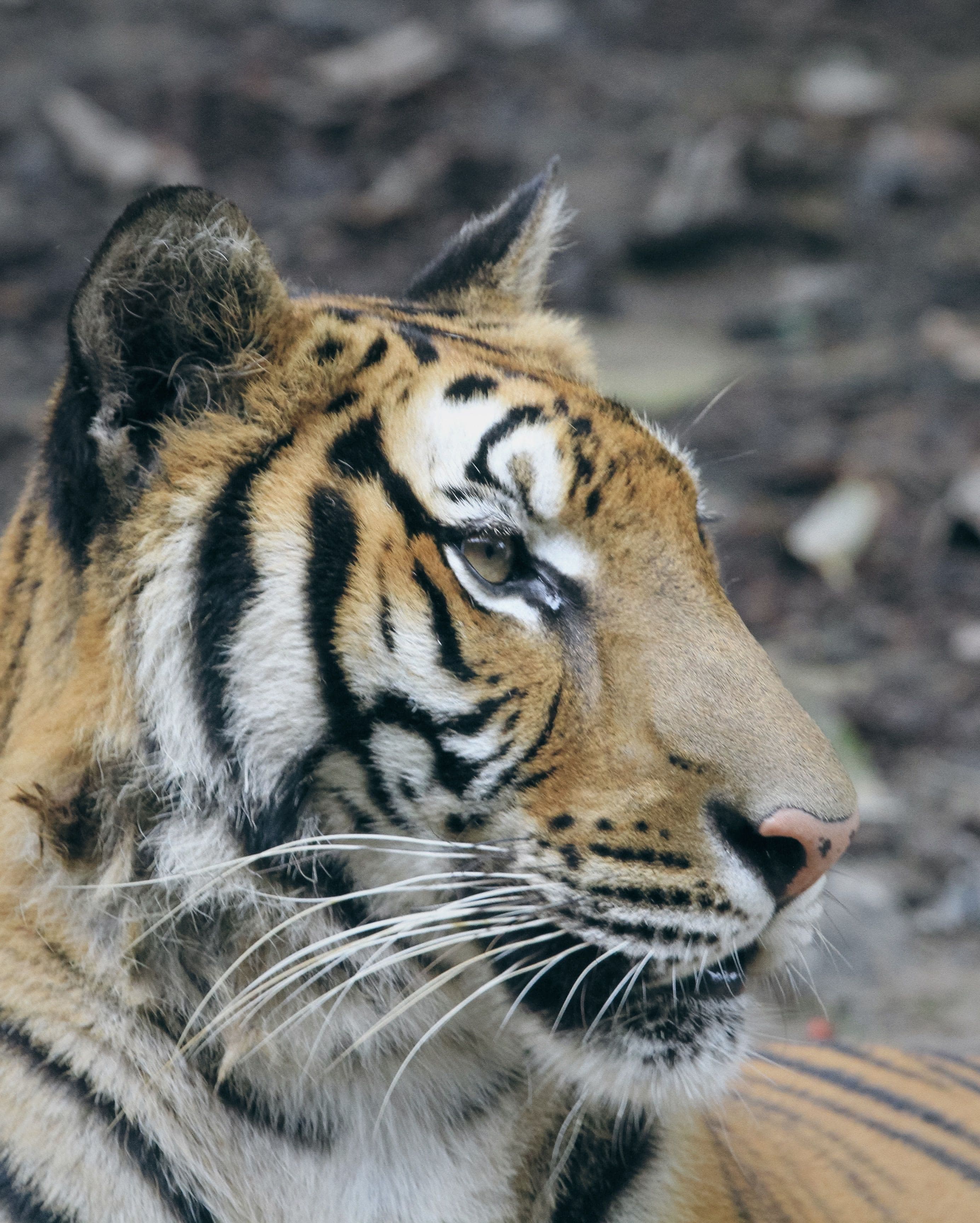
Ranthambore National Park is one of India's finest tiger reserves, covering 1,334 sq km of rugged Rajasthan wilderness. Home to the Bengal tiger, ancient ruins, and breathtaking landscapes.
ReadHistory of Ranthambore National Park
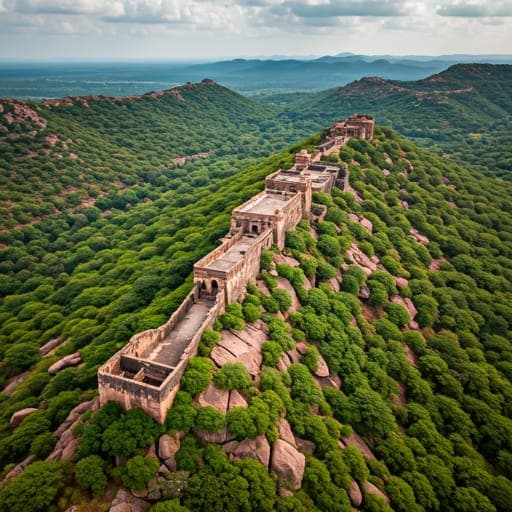
From the royal hunting grounds of Jaipur's Maharajas to a globally celebrated tiger sanctuary — trace the extraordinary history of Ranthambore National Park across nine centuries.
Read
Flora of Ranthambore National Park
Ranthambore's dry deciduous forests, home to over 300 plant species, form a rich green tapestry that sustains its entire ecosystem. Explore the remarkable flora that supports tigers and beyond.
ReadBirding in Ranthambore National Park
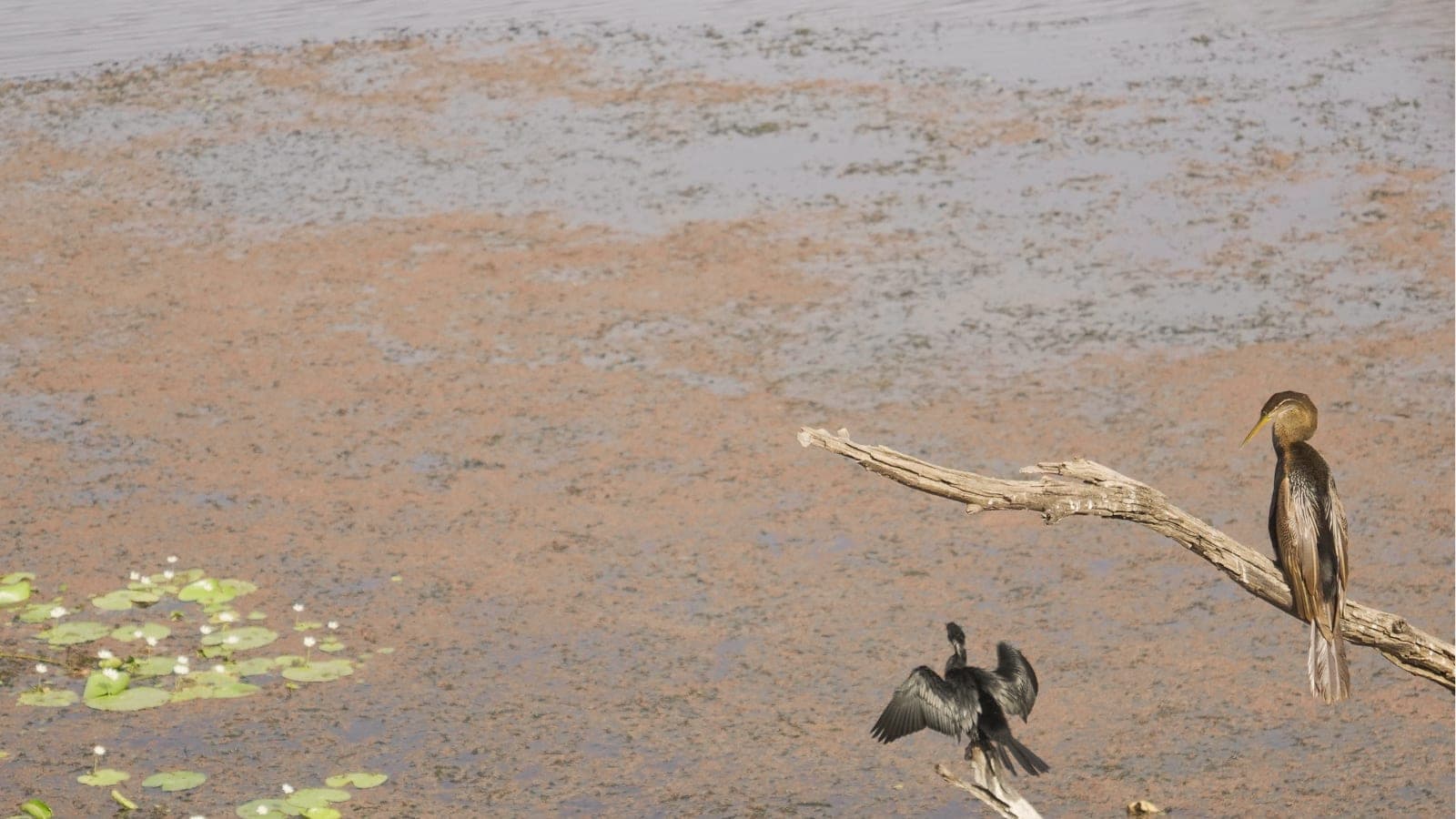
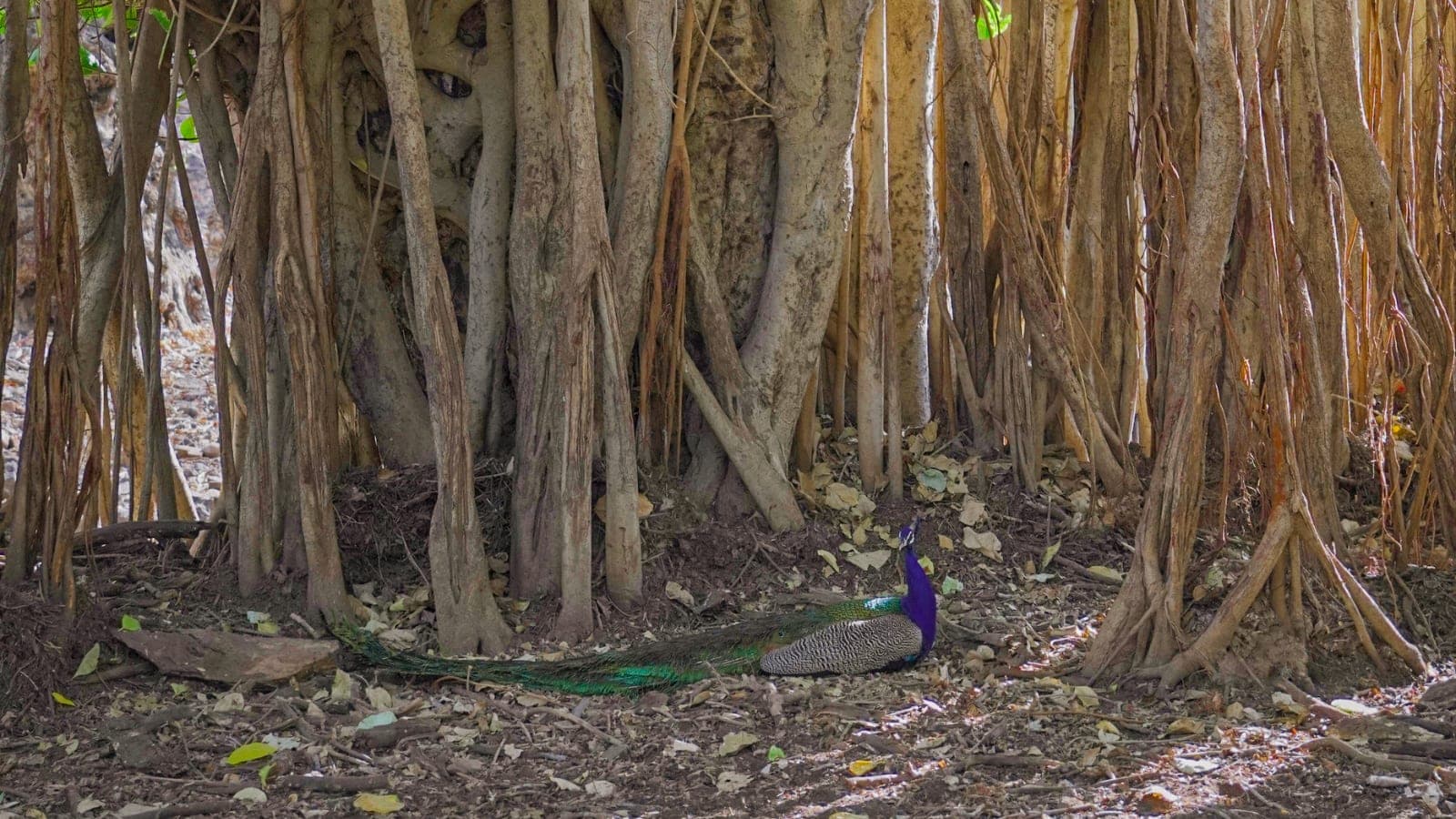
With over 320 recorded bird species, Ranthambore is a world-class birding destination. From painted storks and crested serpent eagles to migratory ducks — discover the birds of Ranthambore.
ReadWildlife Animals of Ranthambore
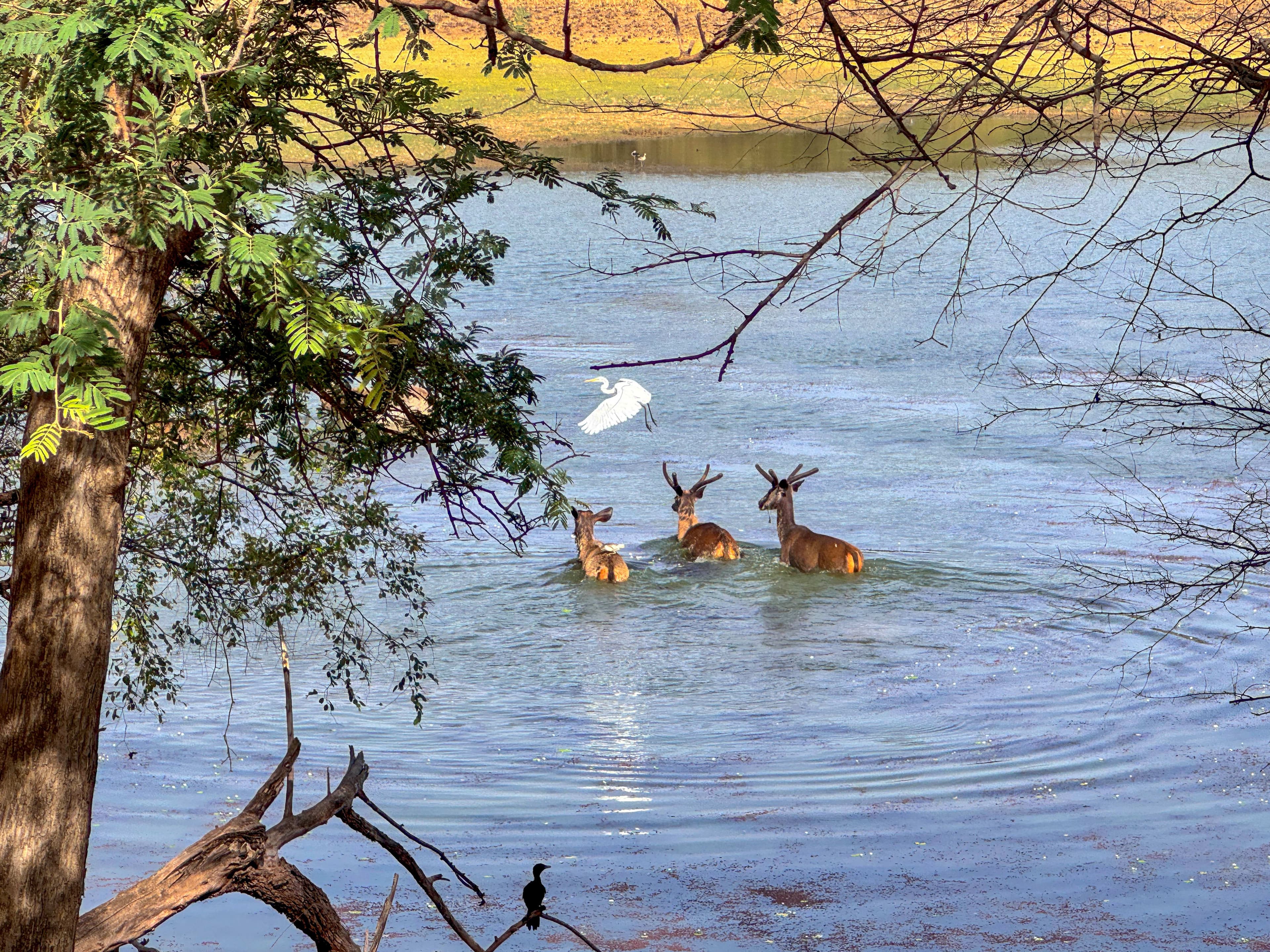
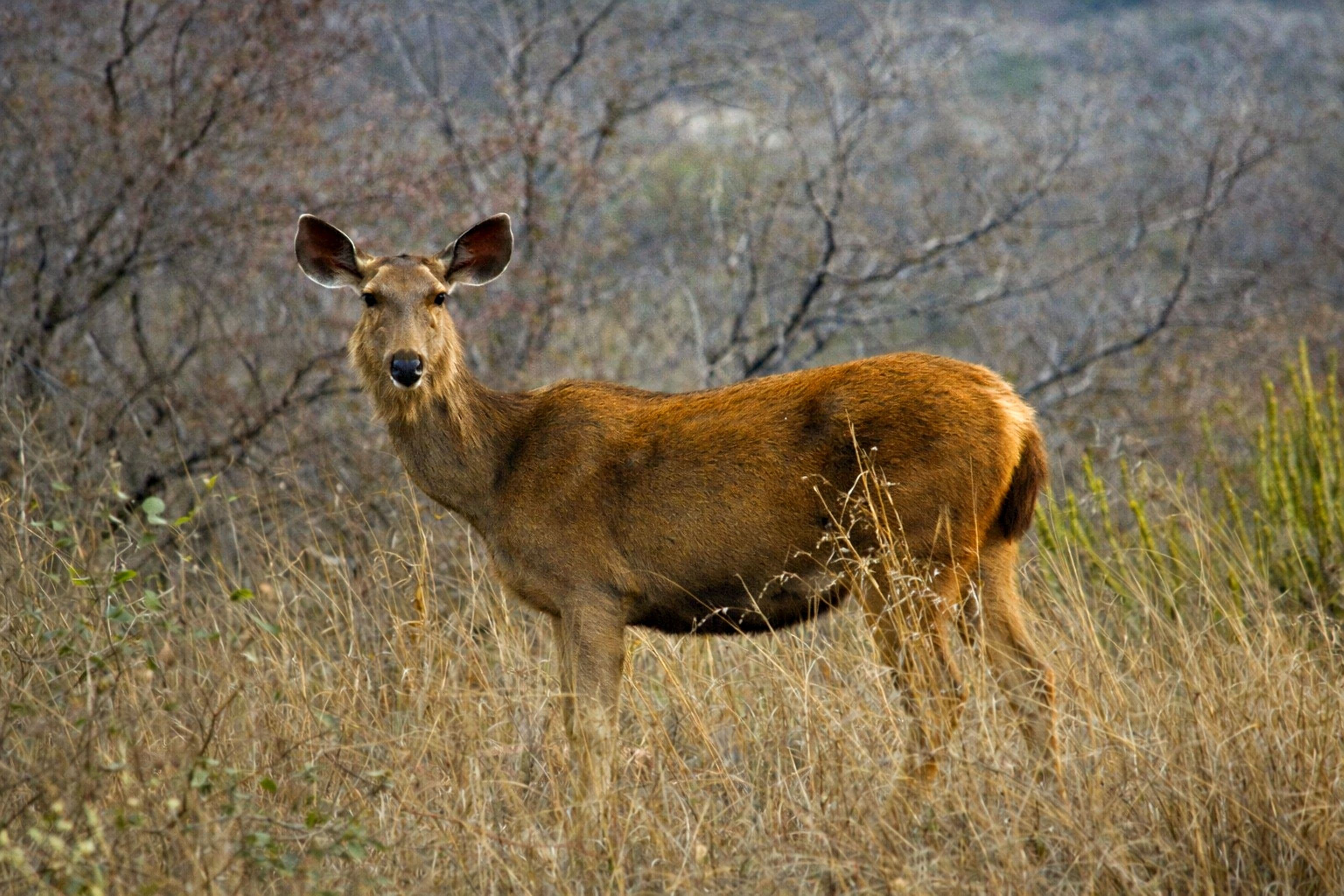
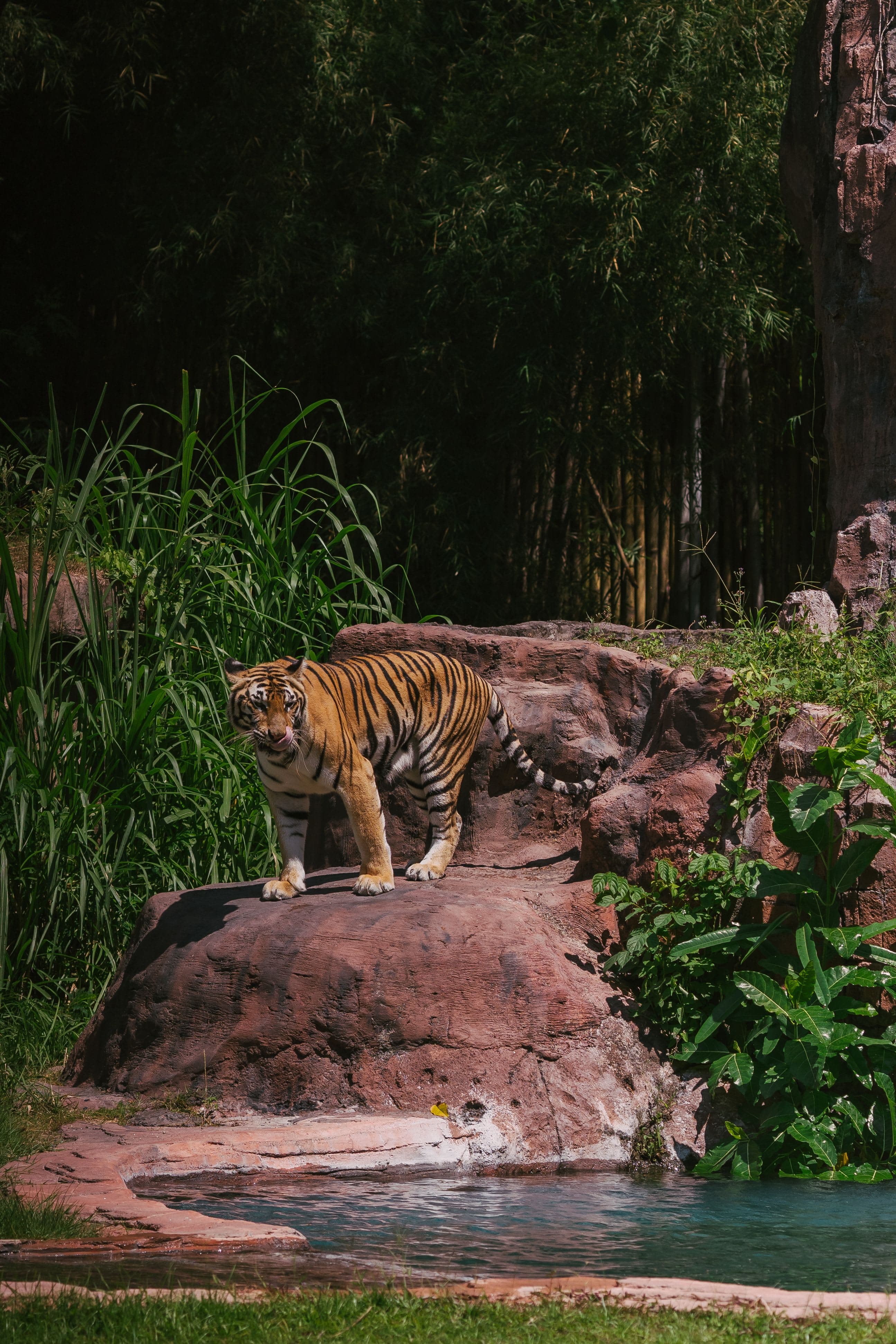
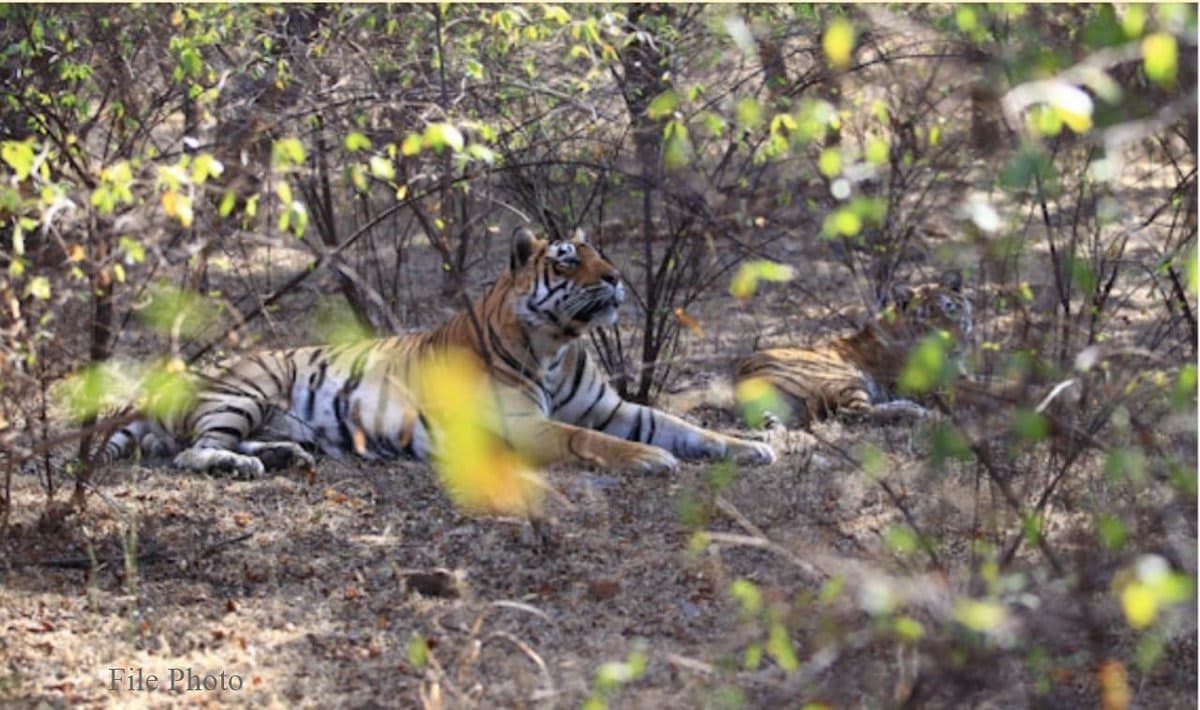
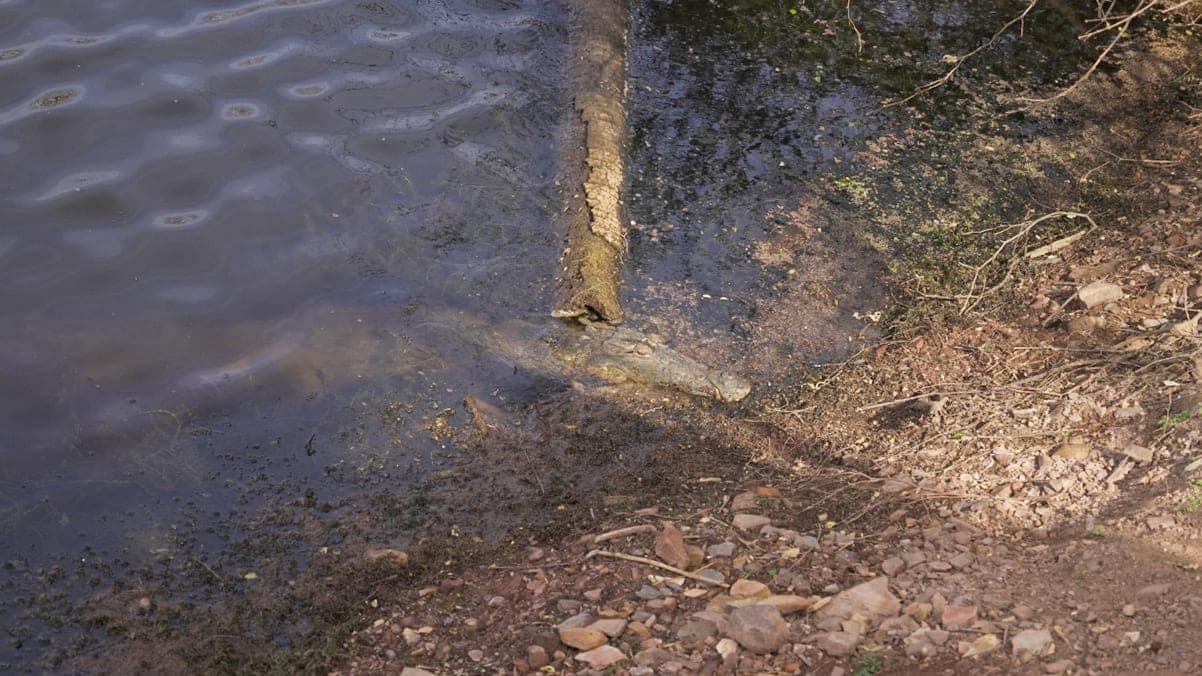
Beyond the Bengal tiger, Ranthambore shelters leopards, sloth bears, marsh crocodiles, and over 40 mammal species. Discover the extraordinary wildlife that inhabits this Rajasthan wilderness.
ReadAbout Safari
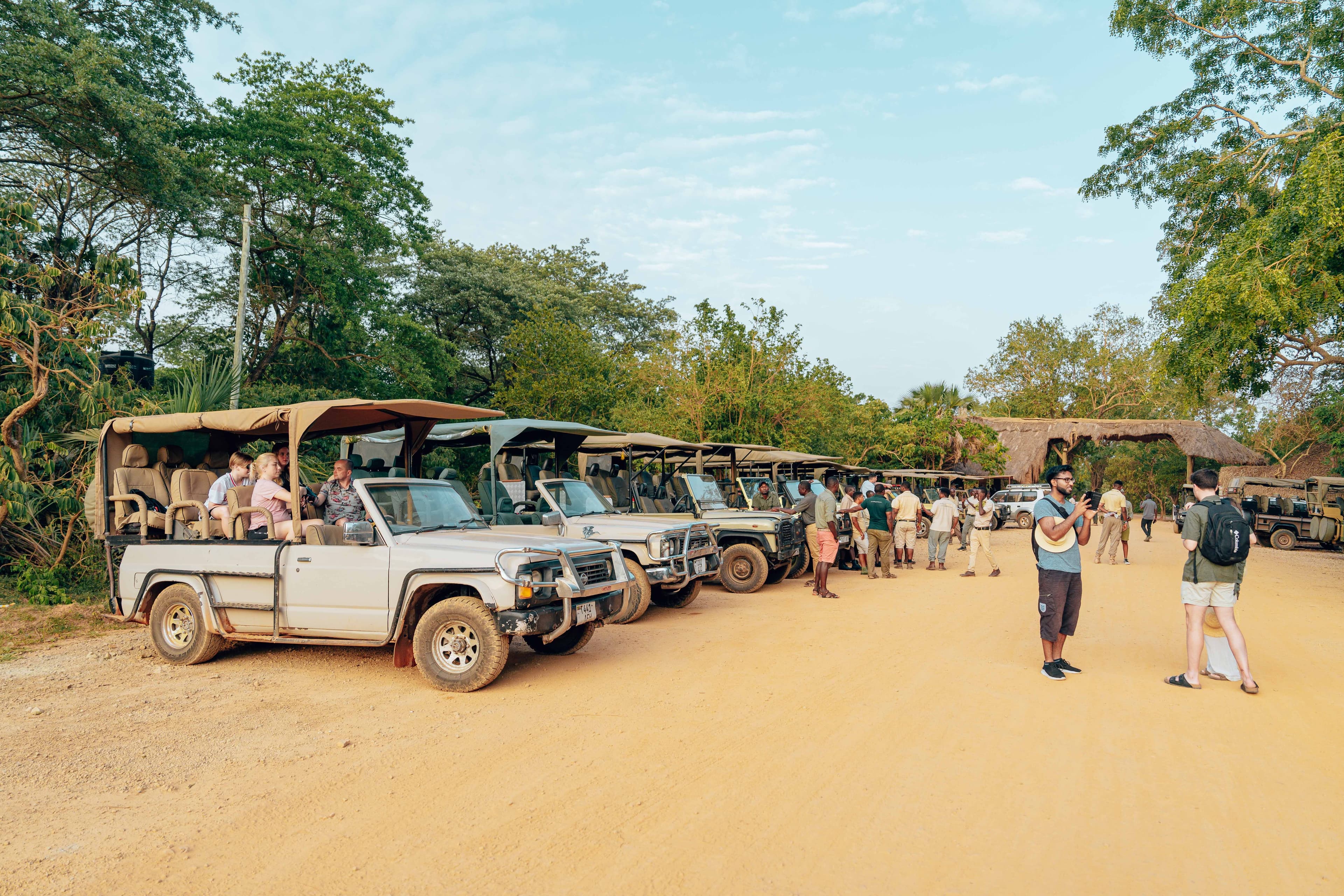
Ranthambore Safari Timings — Morning & Evening Slots
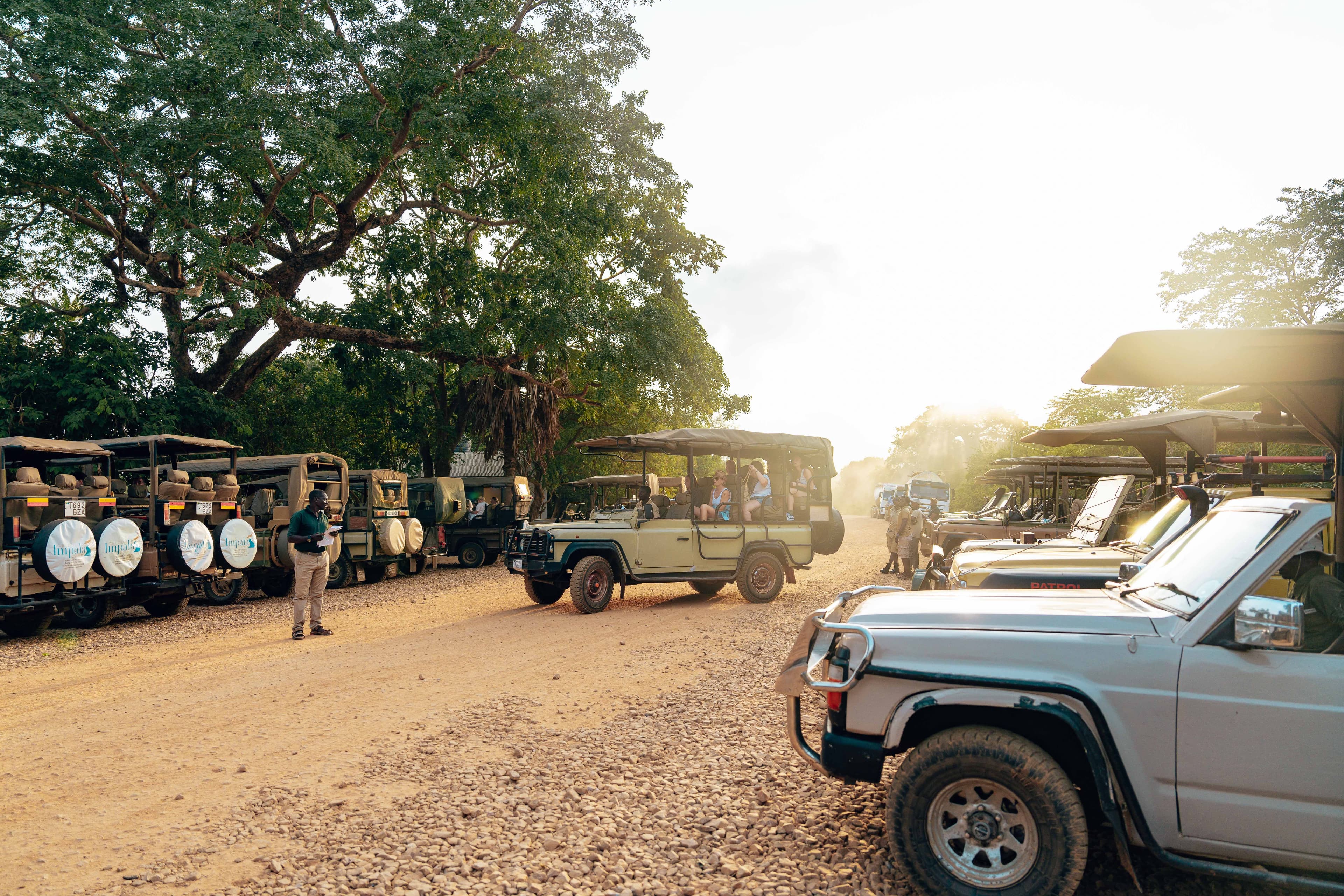
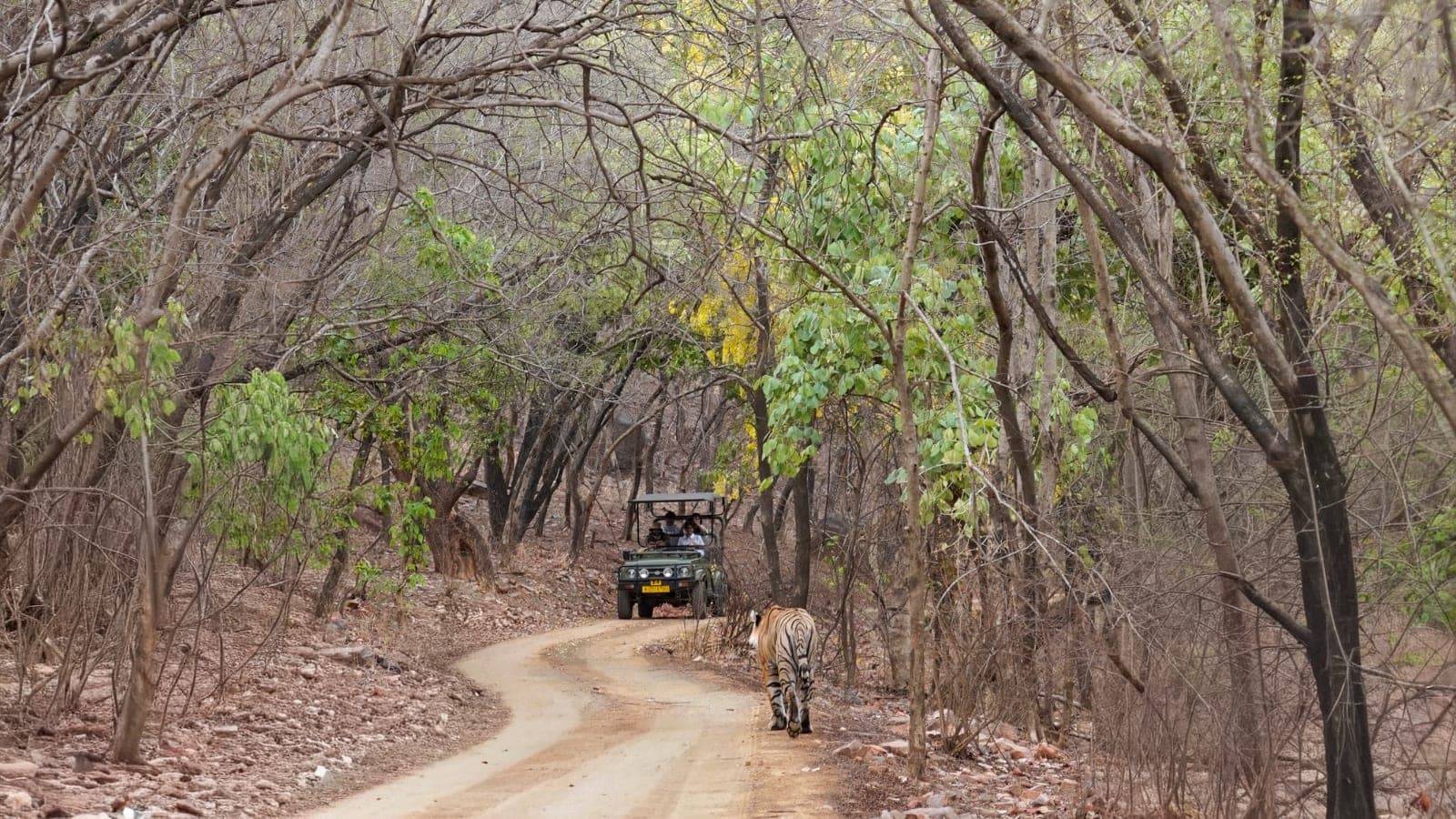
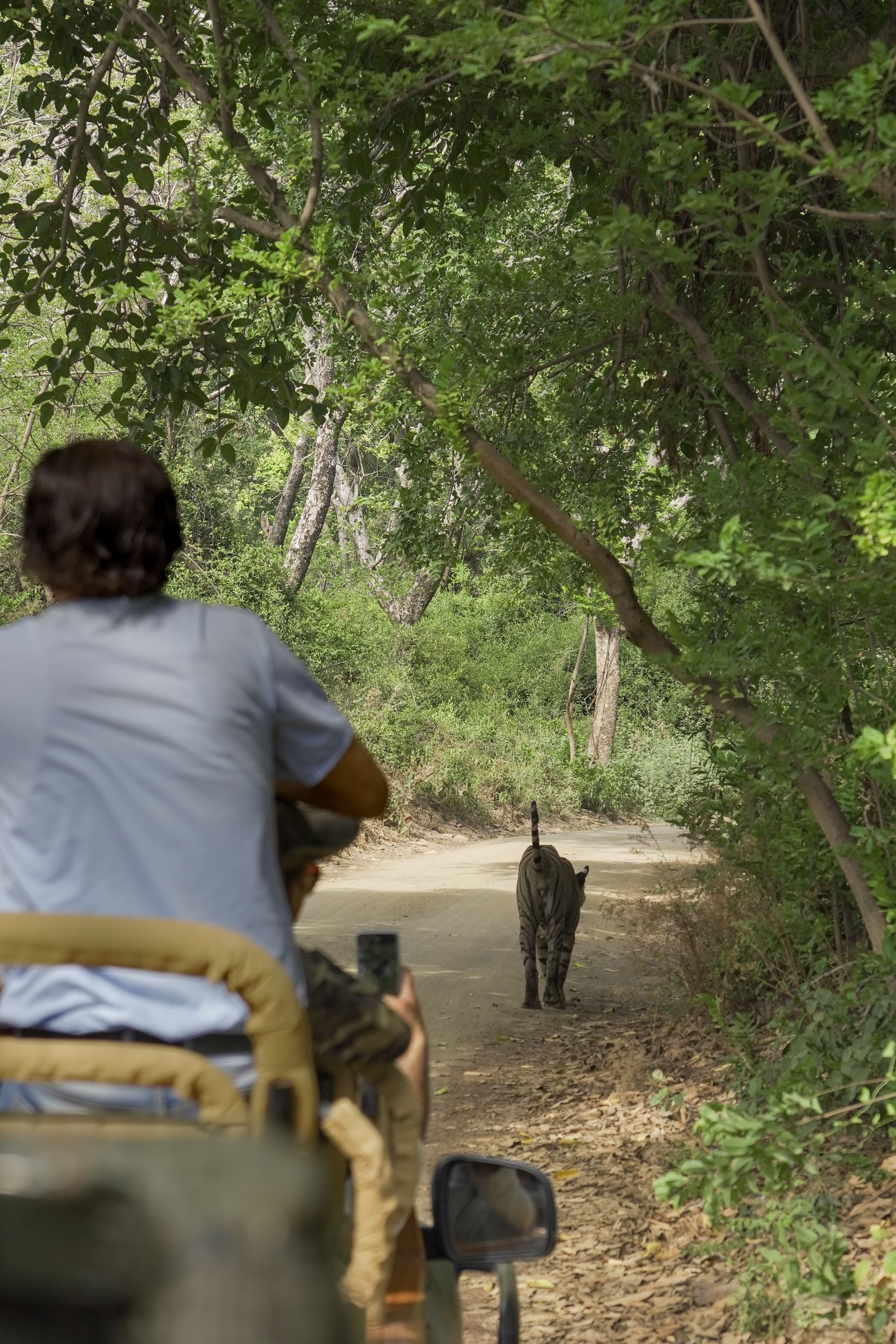
Ranthambore safari timings change with the season. Morning safaris run at sunrise; evening safaris close before sunset. Know the exact timings before you book your Ranthambore tiger safari.
ReadRanthambore Safari Zones — Complete Guide to All 10 Zones
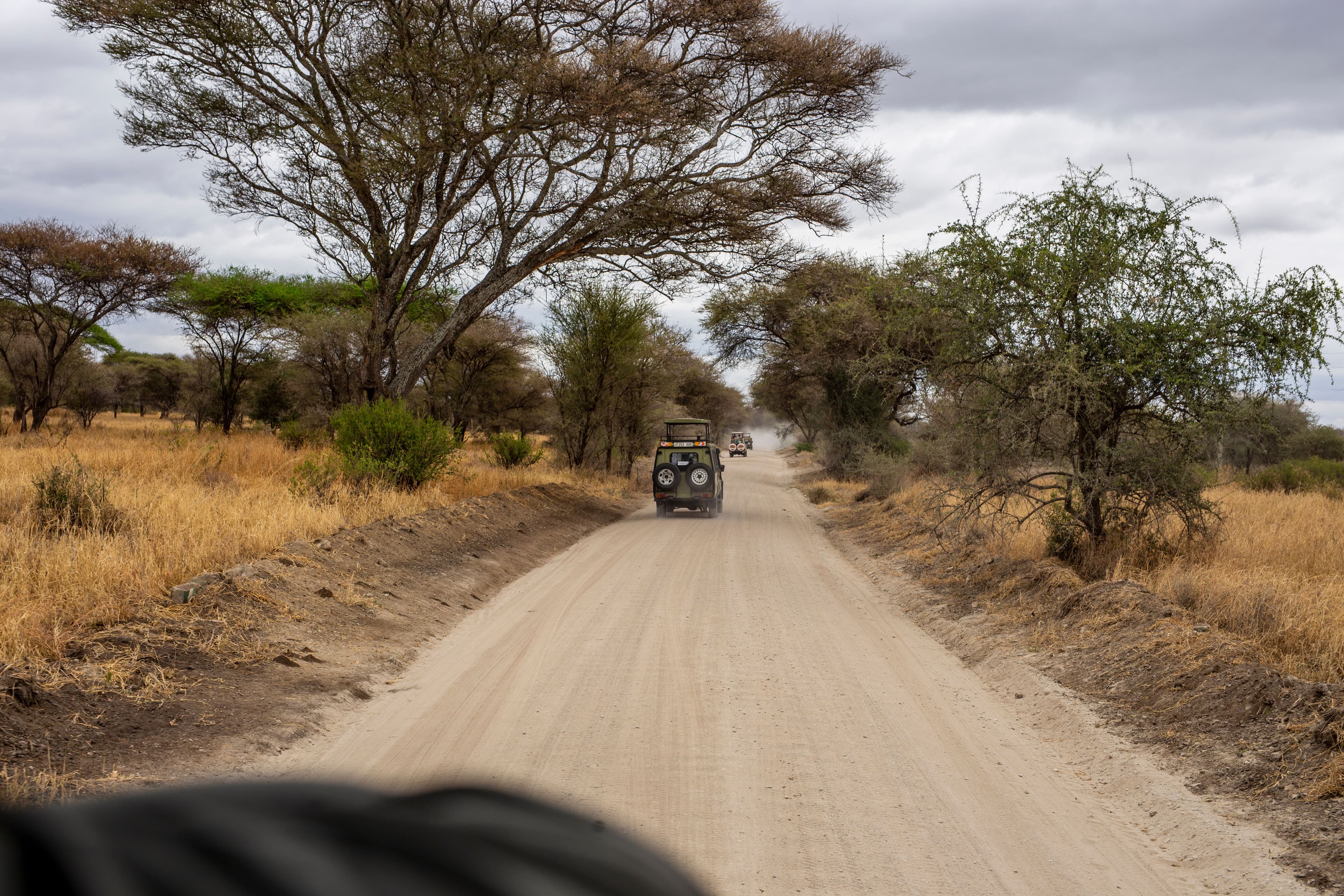
Ranthambore is divided into 10 safari zones. Zones 1–5 are core tiger territory; zones 6–10 offer untouched landscapes. This guide helps you choose the best zone for your Ranthambore safari.
ReadRanthambore Safari Booking — How to Book, Permits & Tips
Safari permits for Ranthambore are limited and allocated by lottery. Learn how to book online, the best time to book, vehicle types, and expert tips to secure your Ranthambore tiger safari.
ReadTravel Information
How to Reach Ranthambore National Park
Ranthambore is accessible by road, rail, and air. Sawai Madhopur — 14 km from the park gates — is the nearest town. Here is a complete travel guide to reaching Ranthambore from across India.
ReadRanthambore by Road — Driving Guide & Routes
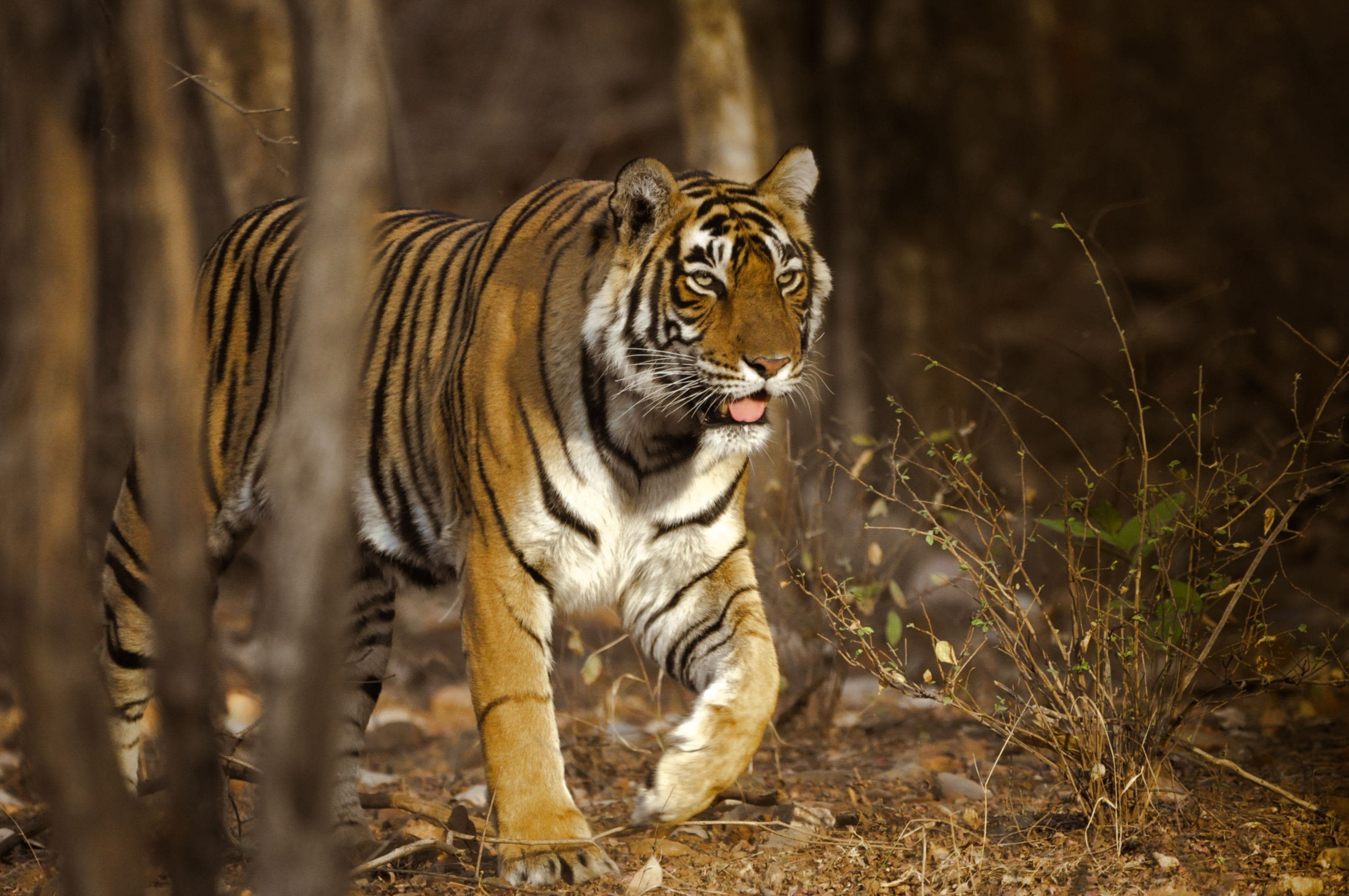
Driving to Ranthambore is scenic and straightforward. NH 552 connects Jaipur and Sawai Madhopur. Here are the best routes from Delhi, Jaipur, Agra and other cities — with distance and time.
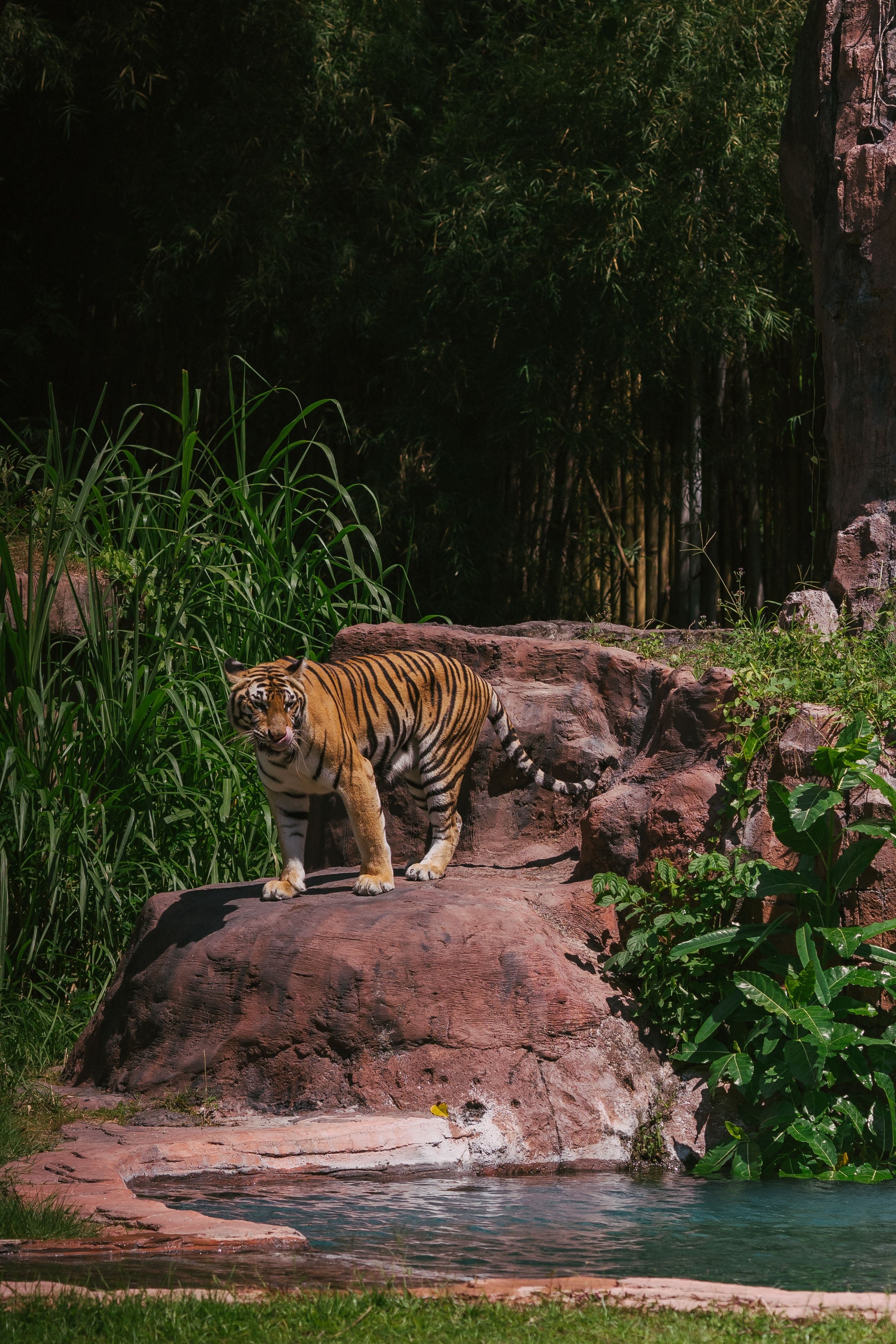
ReadReaching Ranthambore by Air — Nearest Airports
The nearest airports to Ranthambore are Jaipur (180 km) and Delhi IGI (380 km). Both have excellent domestic and international connectivity. Complete guide to flying to Ranthambore.
ReadRanthambore by Train — Trains to Sawai Madhopur
Sawai Madhopur Railway Station is on the Mumbai–Delhi main line. Multiple express trains connect it to Delhi (4h), Jaipur (2h), and Mumbai (12h). The train is the best way to reach Ranthambore.
ReadBest Time to Visit Ranthambore National Park
The best time to visit Ranthambore is October to June. Winter (Oct–Feb) offers pleasant weather; summer (Apr–Jun) delivers the highest tiger sighting rates. The park closes July–September for monsoon.
ReadFamous Tigers Stories
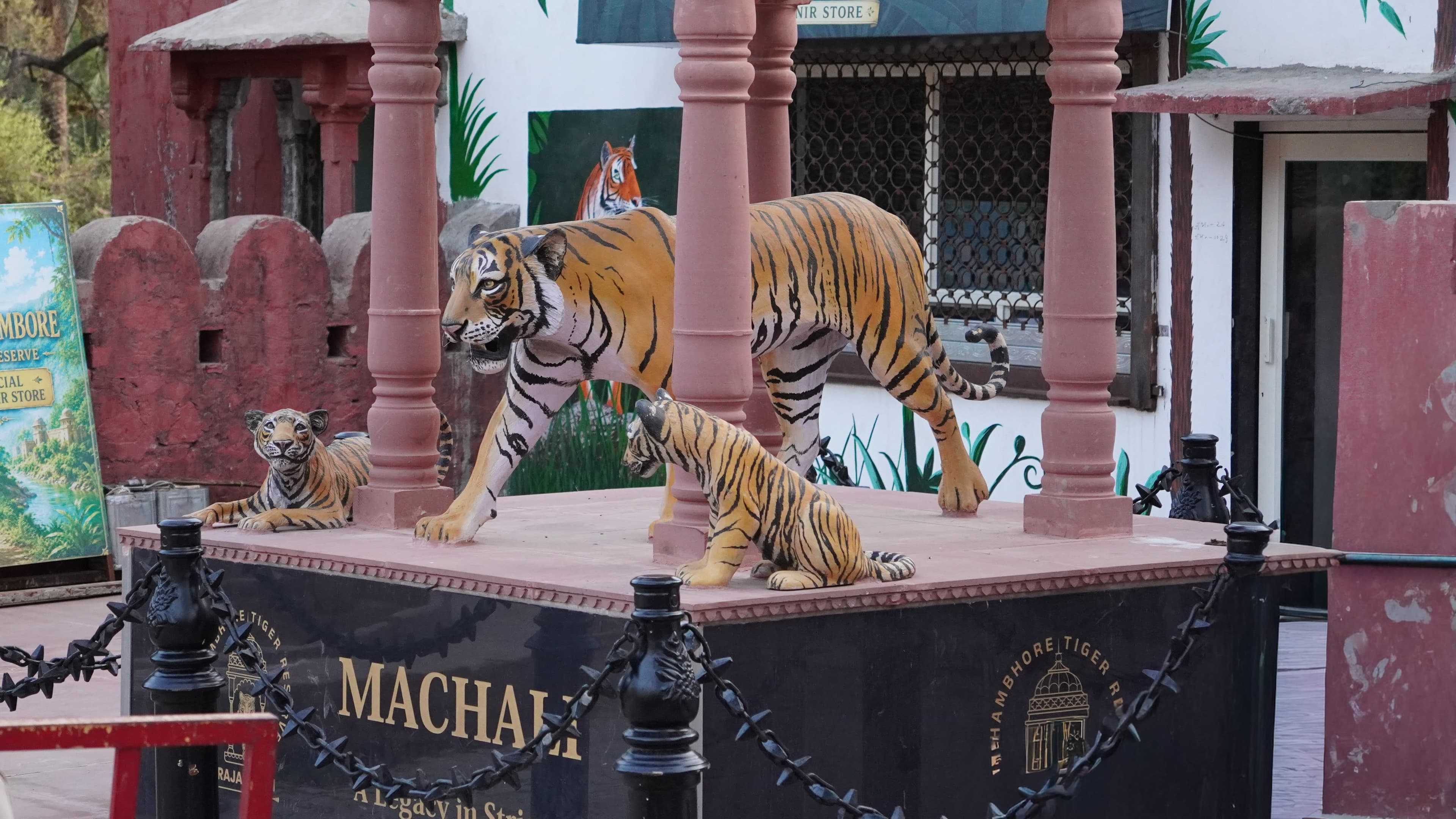
Machhli — The Queen of Ranthambore
Machhli (T-16) was the most photographed wild tiger in history. Known as the Lady of the Lakes, she dominated Ranthambore for over a decade and put the park on the global wildlife map.
ReadUstad — The Dominant Male of Ranthambore
Ustad (T-24) was Ranthambore's most powerful territorial male — a dominant tiger whose territory spanned zones 1 to 6. His story is one of power, controversy, and the complex reality of tiger conservation.
ReadSundari — Ranthambore's Beloved Tigress
Sundari (T-17) is the daughter of the celebrated tigress Krishna and one of Ranthambore's most charismatic tigers. Her story spans Ranthambore and beyond — she was relocated to Odisha's Satkosia reserve.
ReadDollar — The Marked Tiger of Ranthambore
Dollar (T-25) is one of Ranthambore's most recognisable tigers, named for the circular dollar-sign marking on his forehead. A dominant male of zones 4 and 5, his story is one of survival and resilience.
Read