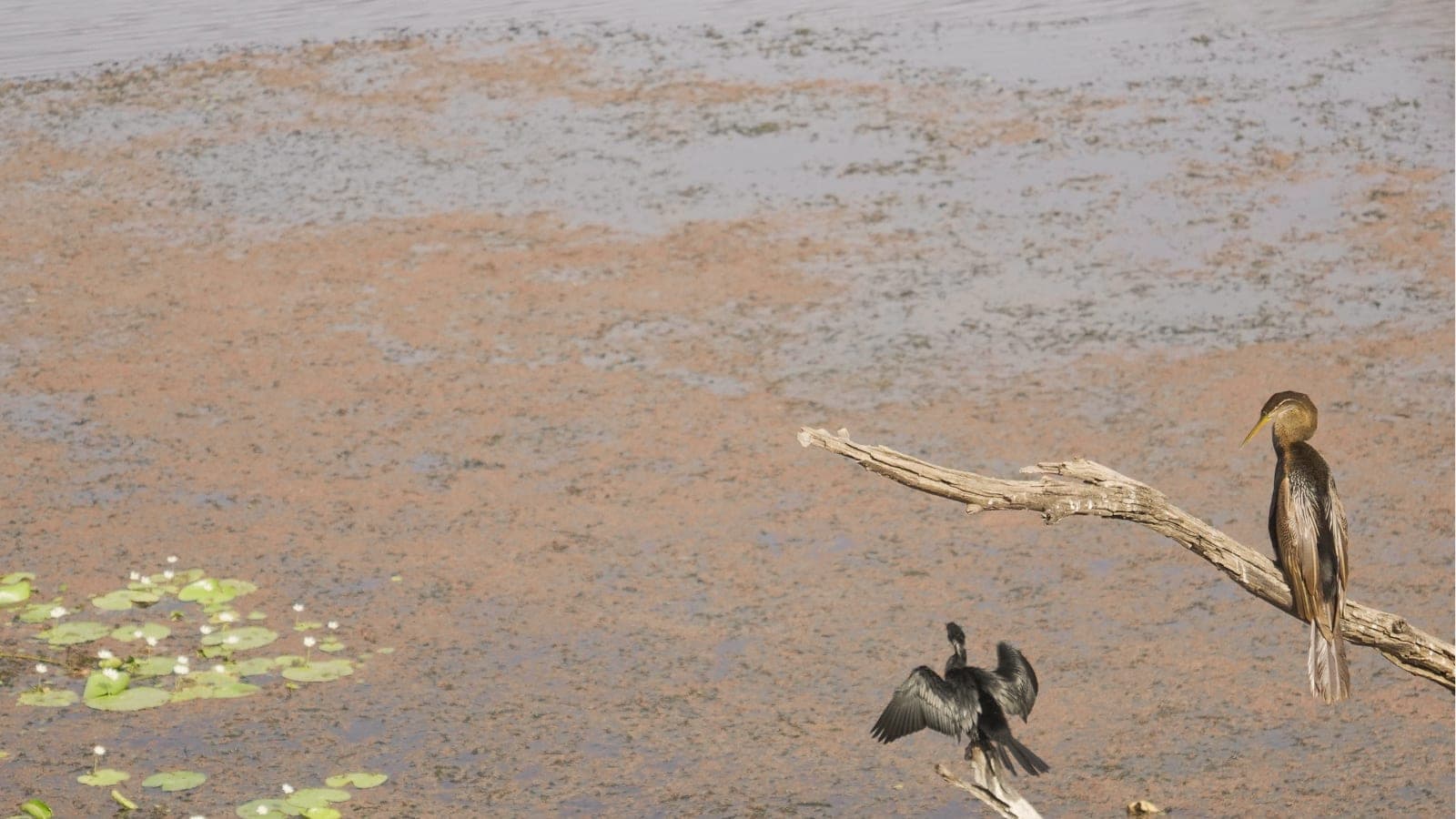
Ranthambore National Park is not only India's premier tiger reserve — it is also a world-class birding destination. Over 320 species have been recorded in the park, and the Avibase checklist for the wider Ranthambhore Tiger Reserve runs to more than 400. From imposing raptors and vibrant kingfishers to rare winter migrants that travel thousands of kilometres to the park's lakes, a Ranthambore safari offers birding that rivals dedicated ornithological reserves — often while you wait at a tiger sighting.
Key Bird Species to Spot
The Indian peafowl (Pavo cristatus) — India's national bird — is abundant throughout the park and displays its spectacular plumage during the breeding season. The crested serpent eagle (Spilornis cheela) is the most frequently sighted raptor, often perched prominently on bare branches overlooking the lakes. Other raptors include the changeable hawk-eagle, Bonelli's eagle and shikra, while the painted spurfowl and grey francolin work the ground below. Around the ruins, dusk brings out owls — the Indian scops owl and the huge dusky eagle-owl among them.
The lakes are the richest habitat of all. Painted storks (Mycteria leucocephala) breed in colonies around Padam Talao, woolly-necked storks stalk the margins, and three kingfishers — common, white-throated and pied — hunt from low perches. The Indian darter, with its snake-like neck and underwater fishing technique, is a regular on the larger lakes, alongside herons, egrets, ibises and spot-billed ducks.
Winter Migrants
Between November and February, Ranthambore's wetlands attract migratory waterfowl from Central Asia and beyond: bar-headed geese, Eurasian wigeon, northern pintail, common teal and ruddy shelduck are all regularly recorded. Vagrants occasionally turn up, making winter especially exciting for serious listers, and demoiselle cranes are sometimes seen in the agricultural buffer zones surrounding the park.
Forest Birds
The dry deciduous forests support a rich community of their own. The Indian paradise flycatcher — the male trailing white ribbon-like tail streamers — is a summer breeding visitor, while the Indian roller flashes brilliant blue year-round. Rufous treepies are so bold they perch on safari vehicles. Woodpeckers, including the black-rumped flameback, drum in the Dhok forests, and green and blue-tailed bee-eaters hawk insects over the open ground.
Best Times and Zones for Birding
The best birding window is October to March, when winter migrants are present and the deciduous trees have shed their leaves, making observation far easier. Padam Talao and the area around Jogi Mahal are consistently productive, and zones 3 and 5 are particularly good for grassland and water birds. Take the morning safari: most species are at their most active in the first two hours after sunrise.
Dedicated birding walks in the buffer zone can be arranged through most safari operators — including our team — and offer a more focused experience than a standard jeep safari. With patience and good binoculars, 60–80 species in a single peak-season day is a realistic target.
Frequently Asked Questions
How many bird species are found in Ranthambore?
Over 320 species are recorded in the park itself, and the Avibase checklist for the wider tiger reserve exceeds 400 — spanning resident forest and wetland birds plus a large contingent of winter migrants.
What is the best time for birding in Ranthambore?
October to March, when winter migrants are present and the leafless deciduous forest makes birds far easier to spot. Morning safaris beat afternoon ones for bird activity.
Do I need a special permit for a birding safari?
No — birding uses the same safari permits as tiger viewing, by Gypsy or Canter. A naturalist can prioritise birding stops on request, and buffer-zone walks can be arranged separately.
Similar Articles
Caracal in Ranthambore: India's Rarest Cat Is Growing
The caracal is India's rarest wild cat — and its numbers are growing in Ranthambore, now home to around 35. Meet the tufted 'cat of kings' and how to spot one.
How Many Tigers Are in Ranthambore? Population 2026
How many tigers are in Ranthambore? Around 80 in the reserve as of 2025, with 55–60 in the safari zones. Why quoted counts differ — and your sighting odds.
Animals of Ranthambore National Park: Full Wildlife List
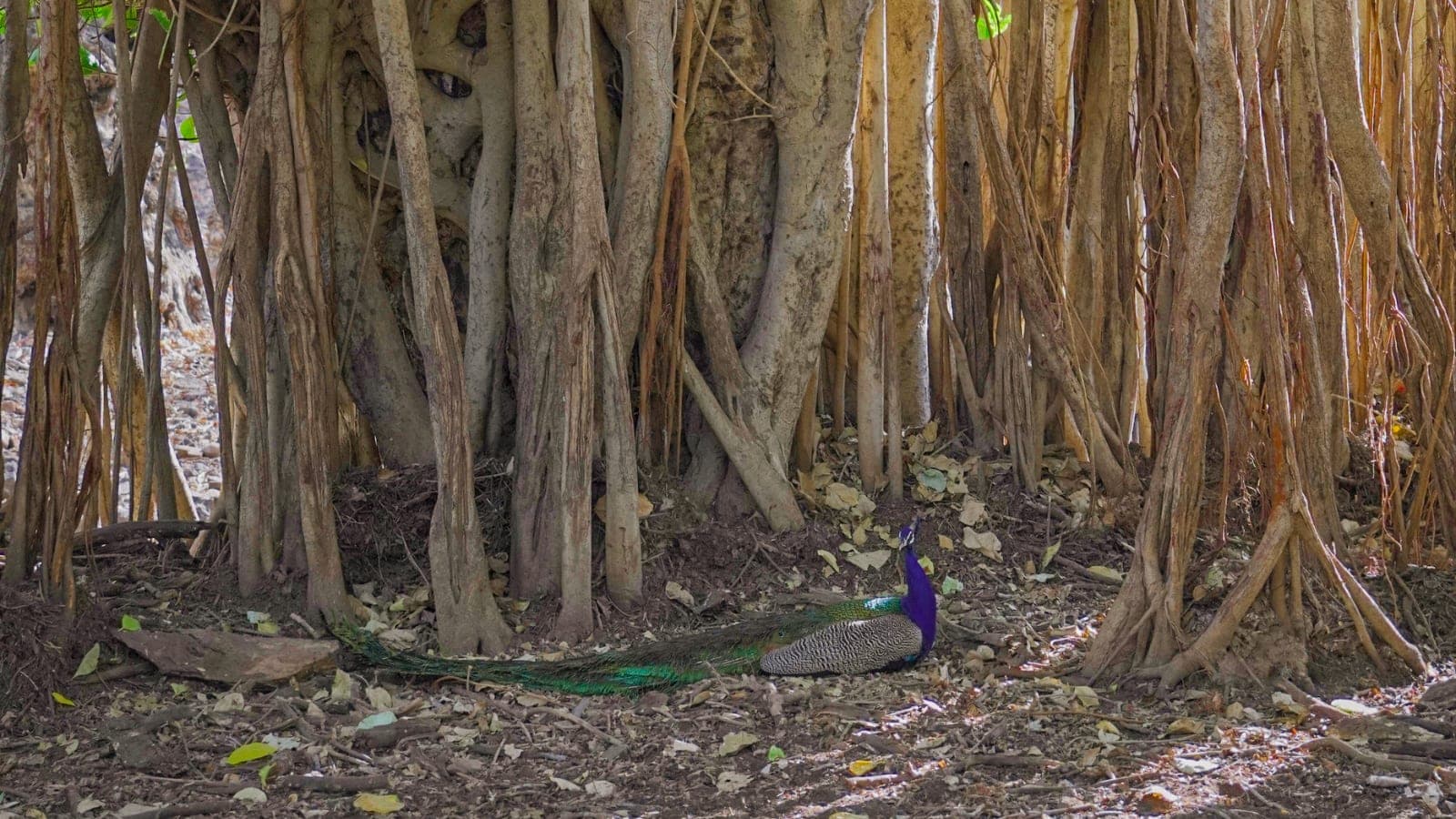
Full animals list for Ranthambore National Park: tigers, leopards, sloth bears, hyenas, crocodiles and 40+ mammal species — plus the zones to see them in.
Flora of Ranthambore: Trees & Plants of the Dry Forest
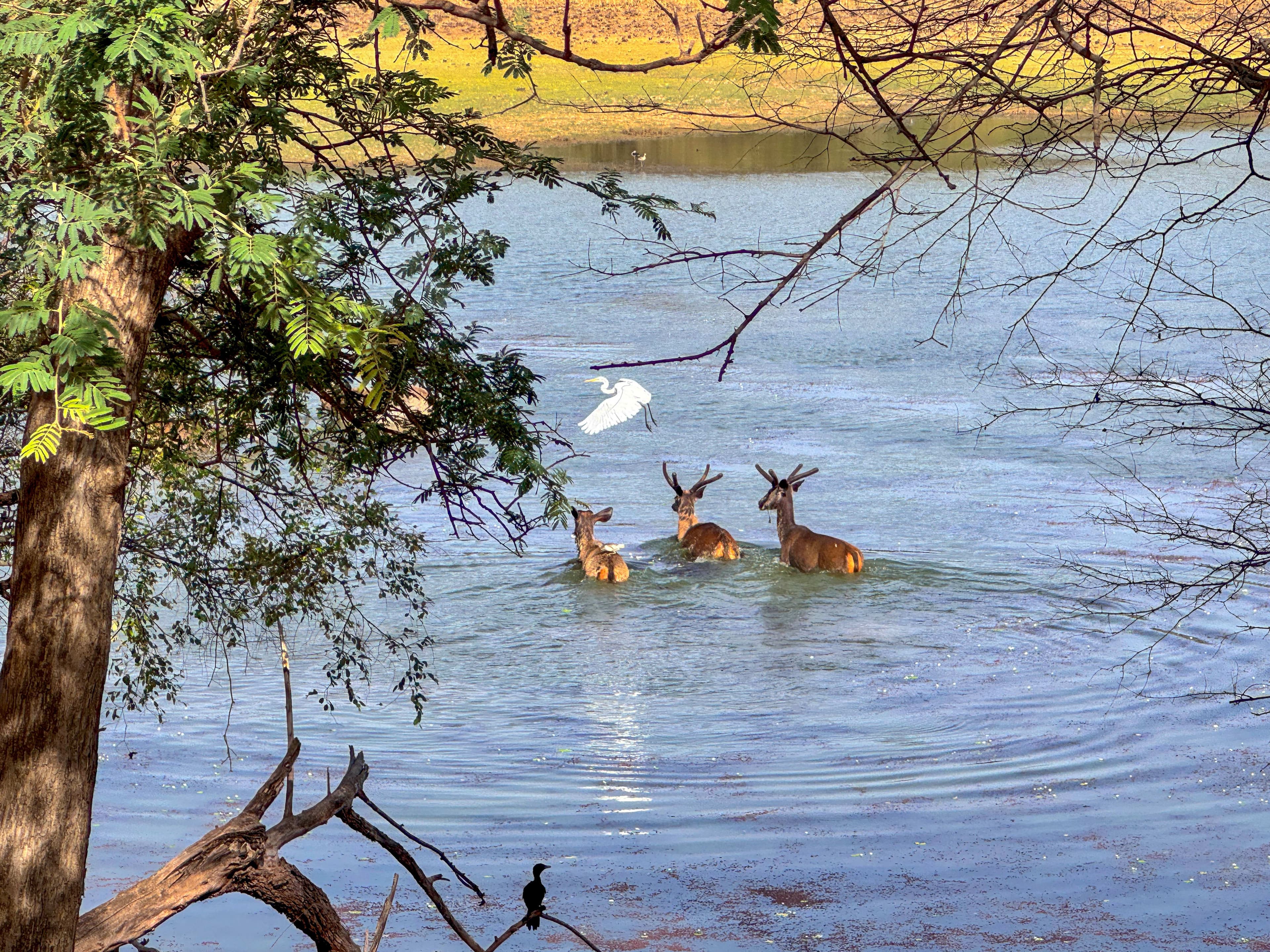
Flora of Ranthambore National Park: Dhok forests, the giant banyan at Jogi Mahal, flame-of-the-forest blooms and the plants that keep its tigers hunting.

History of Ranthambore National Park: Full Timeline
History of Ranthambore National Park — from Rajput fort and royal tiger hunts to Project Tiger in 1973, the 2005 poaching crisis and today's recovery.