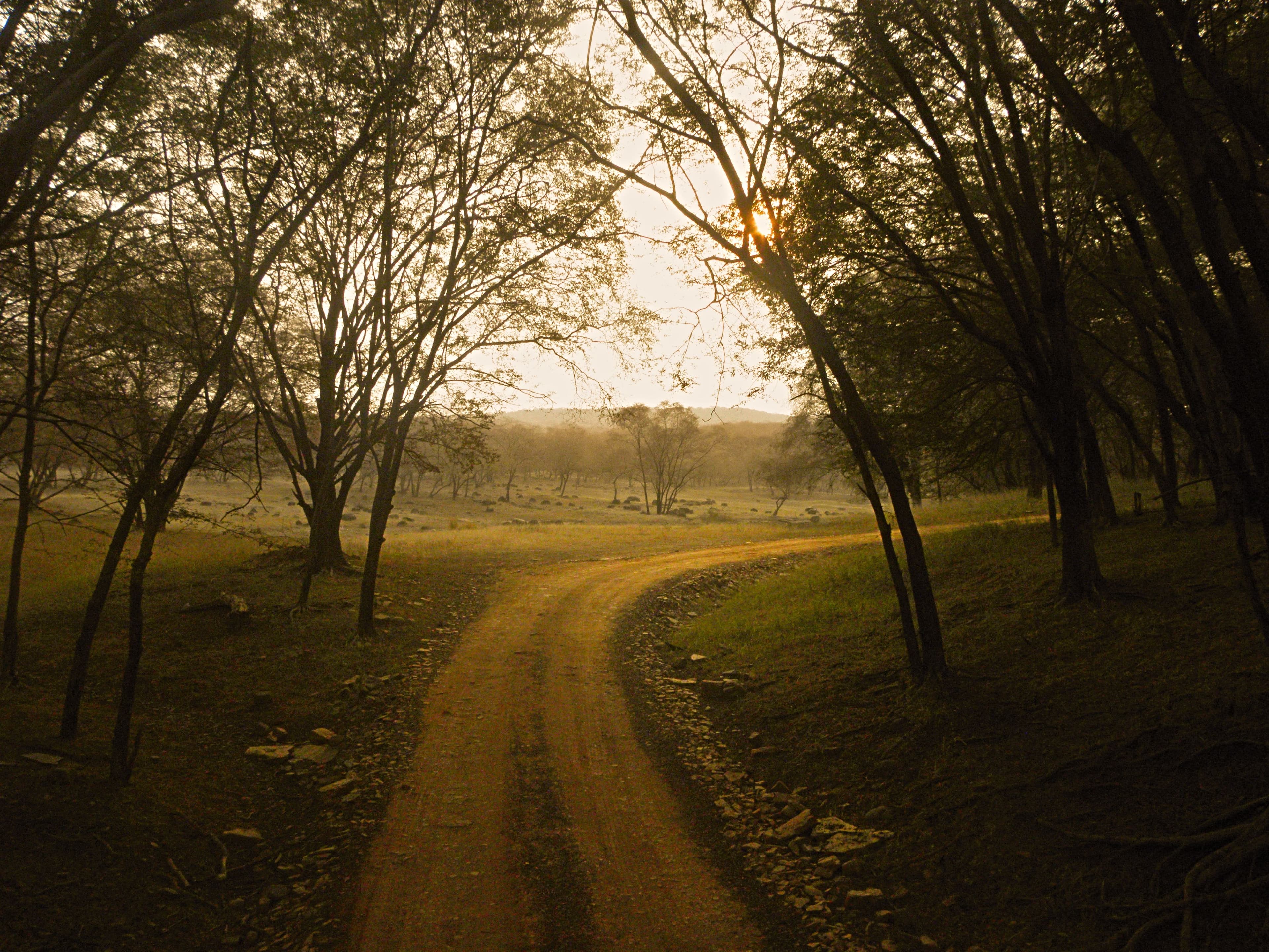
Ranthambore National Park sits in the Sawai Madhopur district of eastern Rajasthan, at the junction of the Aravalli and Vindhya hill ranges. The national park itself covers 392 square kilometres, and together with the Sawai Man Singh and Kailadevi sanctuaries it forms the Ranthambore Tiger Reserve — 1,411 square kilometres of dry forest, gorges, grasslands and lakes, with a thousand-year-old fort rising from its centre. It is the most famous place in the world to see a wild Bengal tiger in daylight.
Where Is Ranthambore and How Big Is It?
The park lies about 180 km from Jaipur and 380 km from Delhi, and the nearest railhead — Sawai Madhopur Junction, on the main Delhi–Mumbai line — is only around 12 km from the park gates. That accessibility is a big part of Ranthambore's appeal: no other major Indian tiger reserve is this easy to reach from the Golden Triangle. See our how to reach Ranthambore guide for train, road and air options.
On the ground, the geography is dramatic: flat-topped hills and sheer rocky escarpments drop into valleys holding three famous lakes — Padam Talao, Rajbagh Talao and Malik Talao — whose banks concentrate deer, crocodiles and the tigers that hunt them. Elevations range from roughly 215 to 505 metres.
A World-Class Tiger Reserve
Ranthambore was one of the nine original reserves brought under Project Tiger in 1973 and became a full national park in 1980. Today the wider reserve holds around 80 tigers, one of the highest densities in India. What makes the park unique is not just the number but the behaviour: generations of tigers here have grown up around safari vehicles and are famously relaxed in the open, which is why Ranthambore delivers so many close, daylight sightings — and why tigresses like Machli became global celebrities. Every tiger is individually identified with a T-number, and you can trace who is related to whom on our interactive tiger family tree.
The Ranthambore Fort — A UNESCO World Heritage Site
At the centre of the park stands Ranthambore Fort, a 10th-century Rajput stronghold inscribed on the UNESCO World Heritage list in 2013 as part of the Hill Forts of Rajasthan. Deer graze its courtyards, langurs patrol its ramparts, and tigers occasionally wander through — few places on Earth mix wildlife and history so completely. The fort and its Trinetra Ganesh temple can be visited separately from a safari; our fort timings and access guide covers the current visiting rules.
Landscape, Lakes and Wildlife
Dry deciduous forest dominated by the hardy Dhok tree covers most of the hillsides, opening into grasslands and lake-edge wetlands. Beyond tigers, the park shelters leopards, sloth bears, striped hyenas, marsh crocodiles, sambar, chital, nilgai and more than 40 mammal species in total, plus over 320 recorded bird species. Our guides to the wildlife of Ranthambore, its birds and its flora cover each in depth.
Safaris: Zones, Vehicles and Timings
The tourism area is divided into ten safari zones — zones 1 to 5 cover the lake-and-fort core, zones 6 to 10 the wilder periphery. Safaris run twice daily, morning and afternoon, in six-seat Gypsies or twenty-seat Canters (our Canter vs Jeep comparison explains which to pick), and the park is open from October to June. Booking well in advance is essential in peak season.
Why Visit Ranthambore?
No other destination combines realistic tiger-sighting odds, a UNESCO-listed fort, photogenic lake scenery and easy access from Delhi, Jaipur and Agra. Whether you are a first-time safari-goer or a photographer chasing one particular tigress, two to three days here is one of the best wildlife investments in India — our Ranthambore itinerary guide shows how to structure the trip, and our team can arrange your safari end to end.
Frequently Asked Questions
How many tigers live in Ranthambore National Park?
Around 80 tigers live across the wider reserve as of 2025, with roughly 55–60 using the tourism zones. See our full Ranthambore tiger population breakdown for why quoted numbers vary.
How many safari zones does Ranthambore have?
Ten. Zones 1–5 form the original lake-and-fort core, while zones 6–10 cover the quieter peripheral forest. All ten produce tiger sightings; they differ in terrain and crowds.
When is the best time to visit Ranthambore?
The park is open October to June. October–March offers pleasant weather and superb birding; April–June is hot but gives the best tiger-sighting odds as animals gather at water. Our best time to visit guide breaks it down month by month.
Is Ranthambore good for a first-time safari?
Yes — it has one of the highest tiger-sighting success rates of any Indian reserve, well-developed safari infrastructure, and is the easiest major reserve to reach from Delhi, Jaipur and Agra.
Similar Articles
Caracal in Ranthambore: India's Rarest Cat Is Growing
The caracal is India's rarest wild cat — and its numbers are growing in Ranthambore, now home to around 35. Meet the tufted 'cat of kings' and how to spot one.
How Many Tigers Are in Ranthambore? Population 2026
How many tigers are in Ranthambore? Around 80 in the reserve as of 2025, with 55–60 in the safari zones. Why quoted counts differ — and your sighting odds.
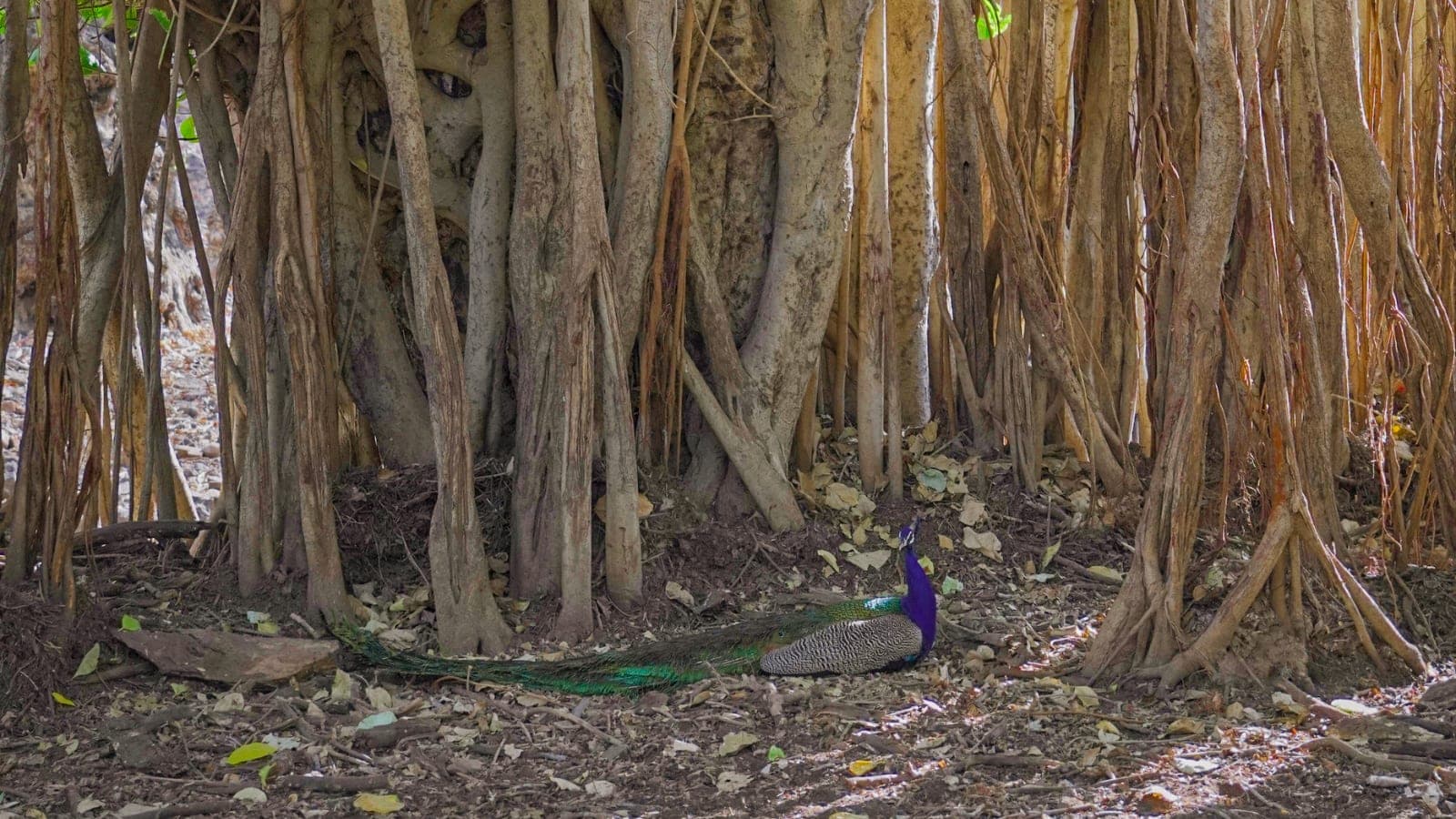
Animals of Ranthambore National Park: Full Wildlife List
Full animals list for Ranthambore National Park: tigers, leopards, sloth bears, hyenas, crocodiles and 40+ mammal species — plus the zones to see them in.
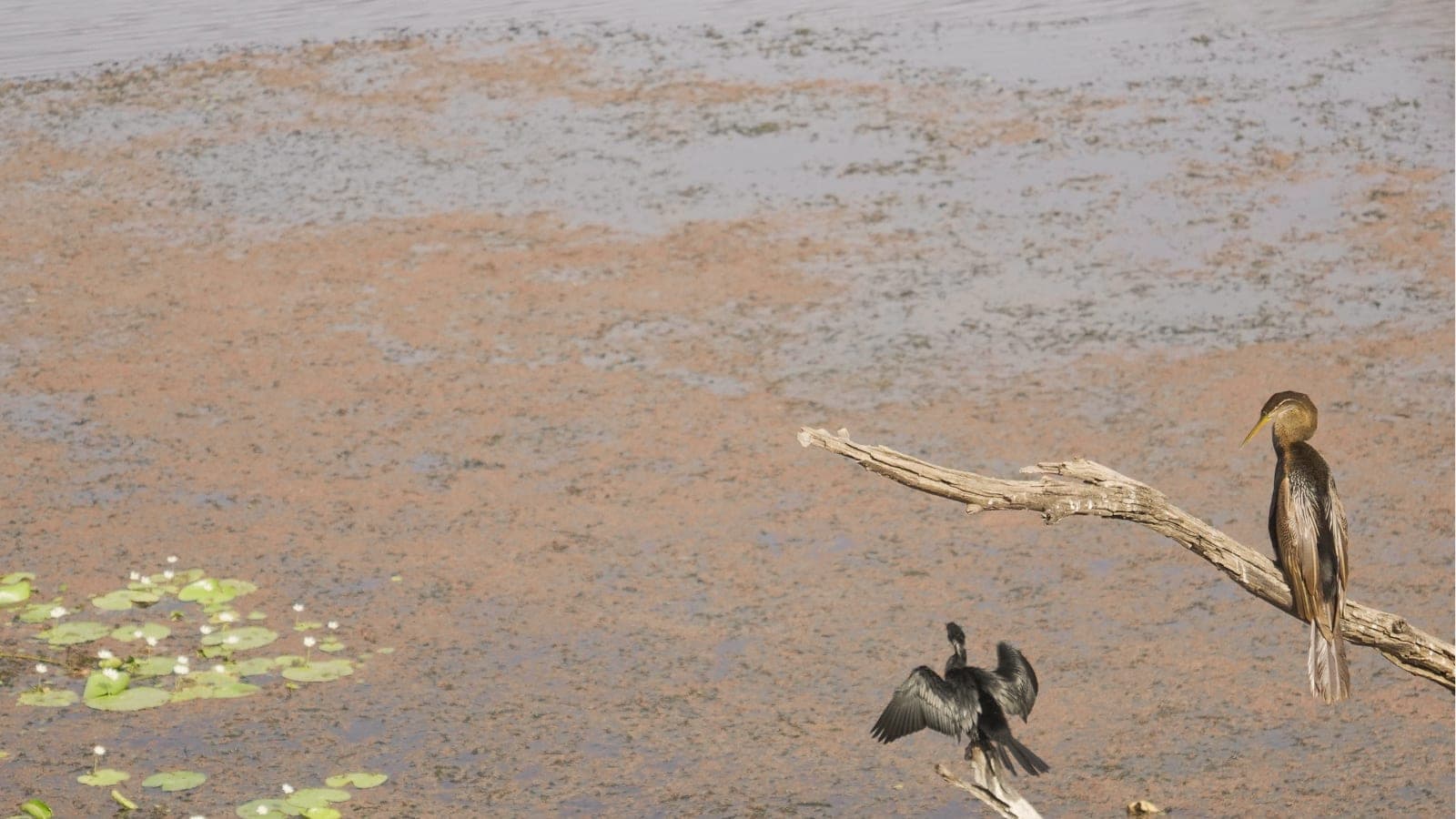
Birds of Ranthambore: Species, Best Zones & Season
Birds of Ranthambore: 320+ recorded species, from painted storks to crested serpent eagles. The best zones, best season and what to look for on safari.
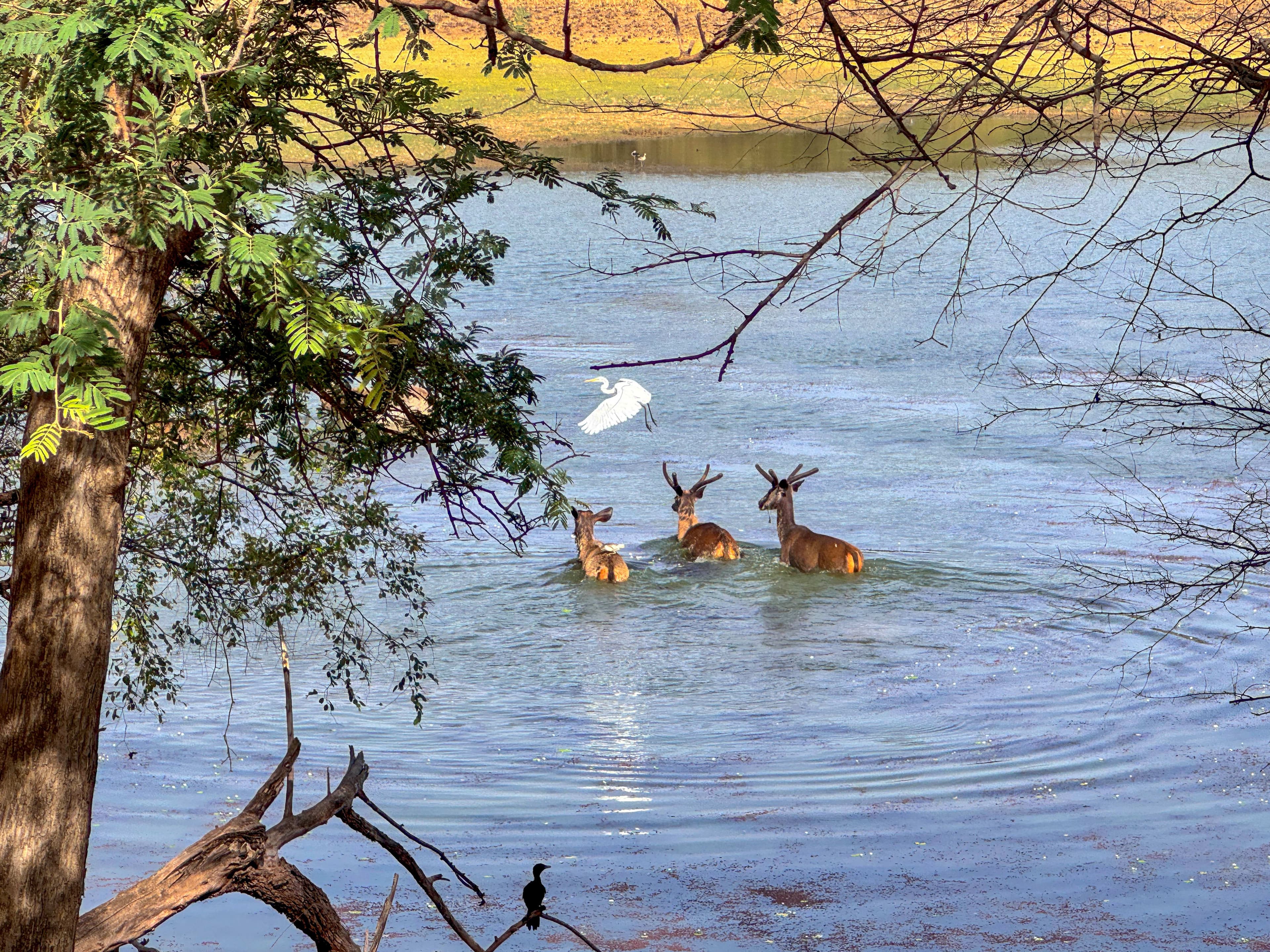
Flora of Ranthambore: Trees & Plants of the Dry Forest
Flora of Ranthambore National Park: Dhok forests, the giant banyan at Jogi Mahal, flame-of-the-forest blooms and the plants that keep its tigers hunting.