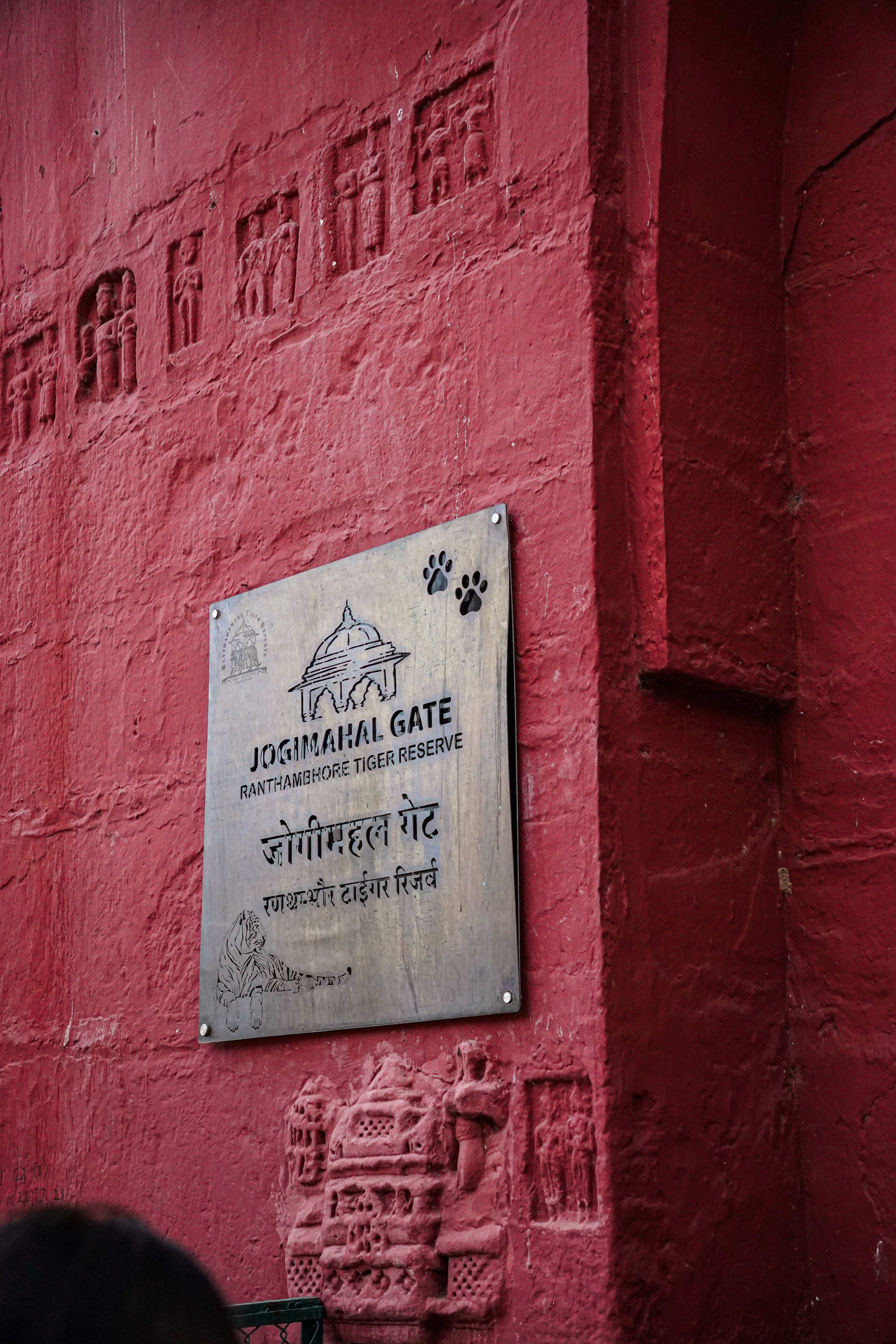
Ranthambore National Park is divided into 10 designated safari zones, each covering a distinct area of the reserve with its own terrain, wildlife density, and experience. Understanding the zones is essential for planning your safari — permits are zone-specific and cannot be changed after booking. The core zones (1–5) cover the heart of the tiger's territory, while the buffer zones (6–10) offer a wilder, less crowded experience.
Core Zones 1–5
Zone 1 — Padam Talao & Fort Area
The most iconic zone in Ranthambore, Zone 1 encompasses the majestic Ranthambore Fort, Padam Talao (the largest lake in the park), and the Jogi Mahal rest house. This zone historically held the territories of the park's most famous tigers, including the legendary Machhli. Excellent for both tigers and waterbirds. The ancient fort rising above the lake is a uniquely dramatic backdrop for wildlife photography.
Zone 2 — Lahpur & Lakarda
Zone 2 is a relatively flat zone with dense forest cover and open grassland sections, making it excellent for chital sightings and good for leopards in the rocky outcrops on its western edge. Tiger sightings here can be excellent when territorial females are raising cubs in this area.
Zone 3 — Rajbagh & Padam Talao East
Zone 3 follows the eastern shore of Padam Talao and includes the beautiful Rajbagh Lake. This zone offers some of the most picturesque scenery in the park and is often productive for tiger sightings around the lake margins. It is also excellent for birding, with large concentrations of painted storks and herons.
Zone 4 — Anantpura & Bhakola
Zone 4 covers the northern section of the core area, passing through Anantpura and Bhakola. This zone includes a mixture of dense Dhok forest, rocky terrain, and open valley sections. It has consistently yielded good tiger sightings and is home to several resident tigresses with cubs.
Zone 5 — Kundal & Sindhori
Zone 5 is the most easterly of the core zones, covering open grassland and the edge of the Kundal plateau. It is particularly good for tiger sightings in the summer months when prey concentrates at Kundal waterhole. Zone 5 also offers good leopard and sloth bear sightings.
Buffer Zones 6–10
Zones 6–10 were opened to tourism relatively recently to reduce pressure on the core zones. They are less frequently visited, offer wider forest roads, and provide a more intimate wilderness experience. Tiger sightings do occur in the buffer zones, and these areas can be excellent for leopards, hyenas, and less commonly seen species.
Zone 6 — Amreshwar
A beautiful zone with open meadows and rocky terrain. Excellent for grassland birds, Indian Wolf (occasionally sighted), and Striped Hyena. Tiger sightings are less frequent but do occur.
Zones 7, 8, 9 & 10
These zones border the Sawai Mansingh and Keladevi wildlife sanctuaries. They offer exceptional views of Rajasthan's wilderness landscape, minimal tourist traffic, and the chance of rare sightings including wolves, caracals, and desert foxes. Zones 9 and 10 in particular are gaining a reputation for sloth bear sightings and excellent birding.
Which Zone Should I Book?
For the highest probability of a tiger sighting, book Zones 1–5. Zone 1 and Zone 3 are the most reliable for consistent tiger sightings. For a quieter, more exploratory experience and good leopard chances, Zones 6–10 are excellent. Many experienced visitors book a mix — core zones for tigers, buffer zones for the atmosphere.
Frequently Asked Questions
Which Ranthambore zone has the best tiger sighting odds?
Zone 1 and Zone 3 are the most consistently reliable for tiger sightings, thanks to their lakeside territories historically held by famous tigers.
Are the buffer zones (6-10) worth visiting?
Yes, if you want a quieter, less crowded experience — tiger sightings are less frequent there, but leopards, hyenas, wolves, and sloth bears are a strong draw.
Can I change my zone after booking a safari permit?
No — Ranthambore permits are zone-specific and locked in at booking. List 3-4 zone preferences when you book to improve your odds of getting into a core zone.
Similar Articles

Mobile Phone Ban in Ranthambore Safari: 2026 Rules Explained
Mobile phones are banned on Ranthambore safaris under a Nov 2025 Supreme Court order. See what's prohibited, whether cameras are allowed, and how gate lockers work.
Is Jawai a National Park? Jawai Leopard Safari Guide
Is Jawai a national park? No — it's a wild conservation landscape between Udaipur and Jodhpur where leopards roam free. Here's what that means for your safari.
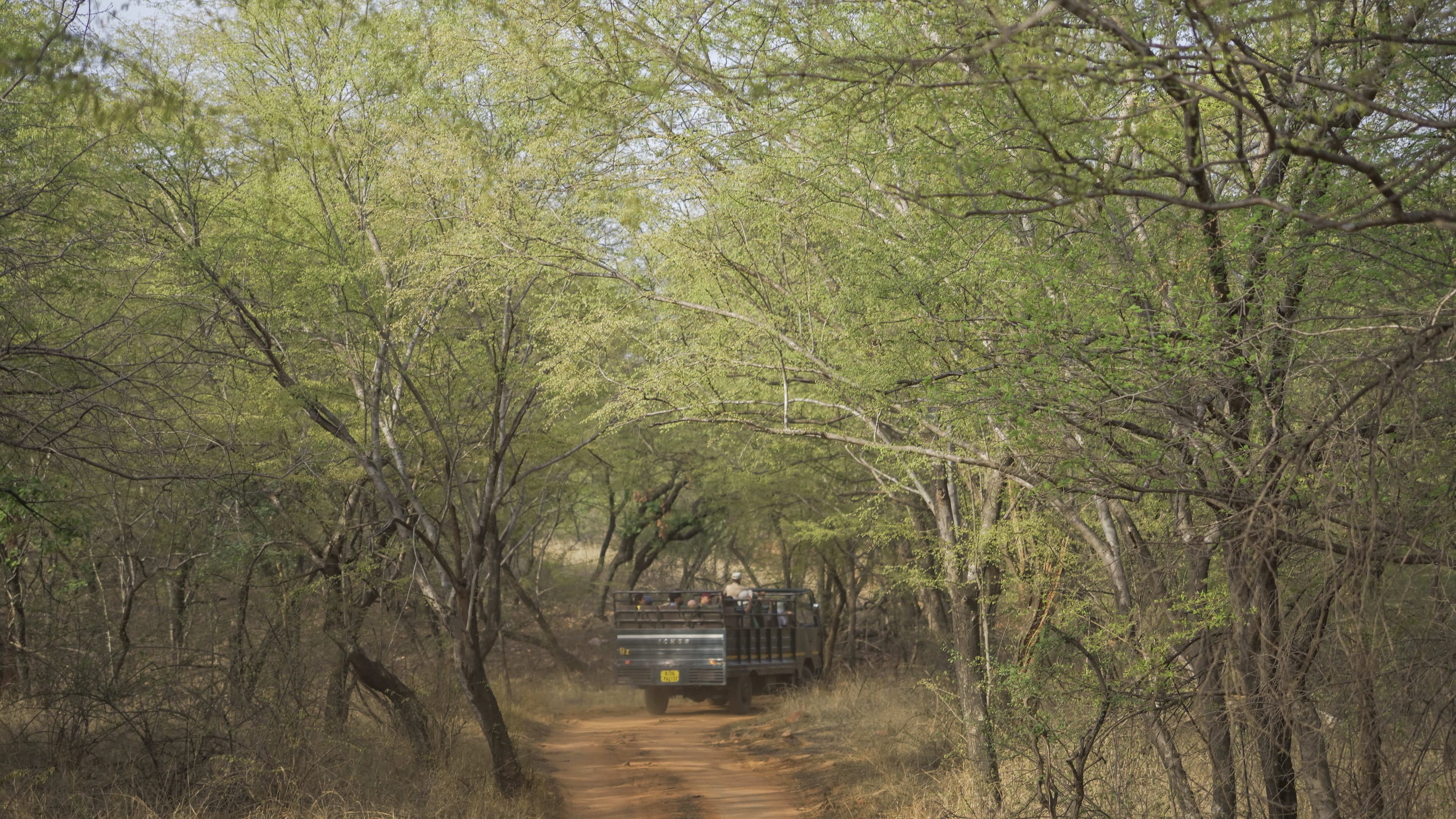
Canter vs Jeep Safari in Ranthambore: Which Should You Book?
Canter or Gypsy jeep? Here's how the two Ranthambore safari vehicles actually compare on tiger-sighting odds, cost, comfort, and booking availability.
Ranthambore Safari Cost — Price Guide for Canter & Jeep
How much does a Ranthambore safari cost? A clear breakdown of Canter vs Gypsy prices, Indian vs foreigner rates, what's included, and how booking method and season change what you pay.
Ranthambore Safari Booking — How to Book, Permits & Tips
Safari permits for Ranthambore are limited and allocated by lottery. Learn how to book online, the best time to book, vehicle types, and expert tips to secure your Ranthambore tiger safari.