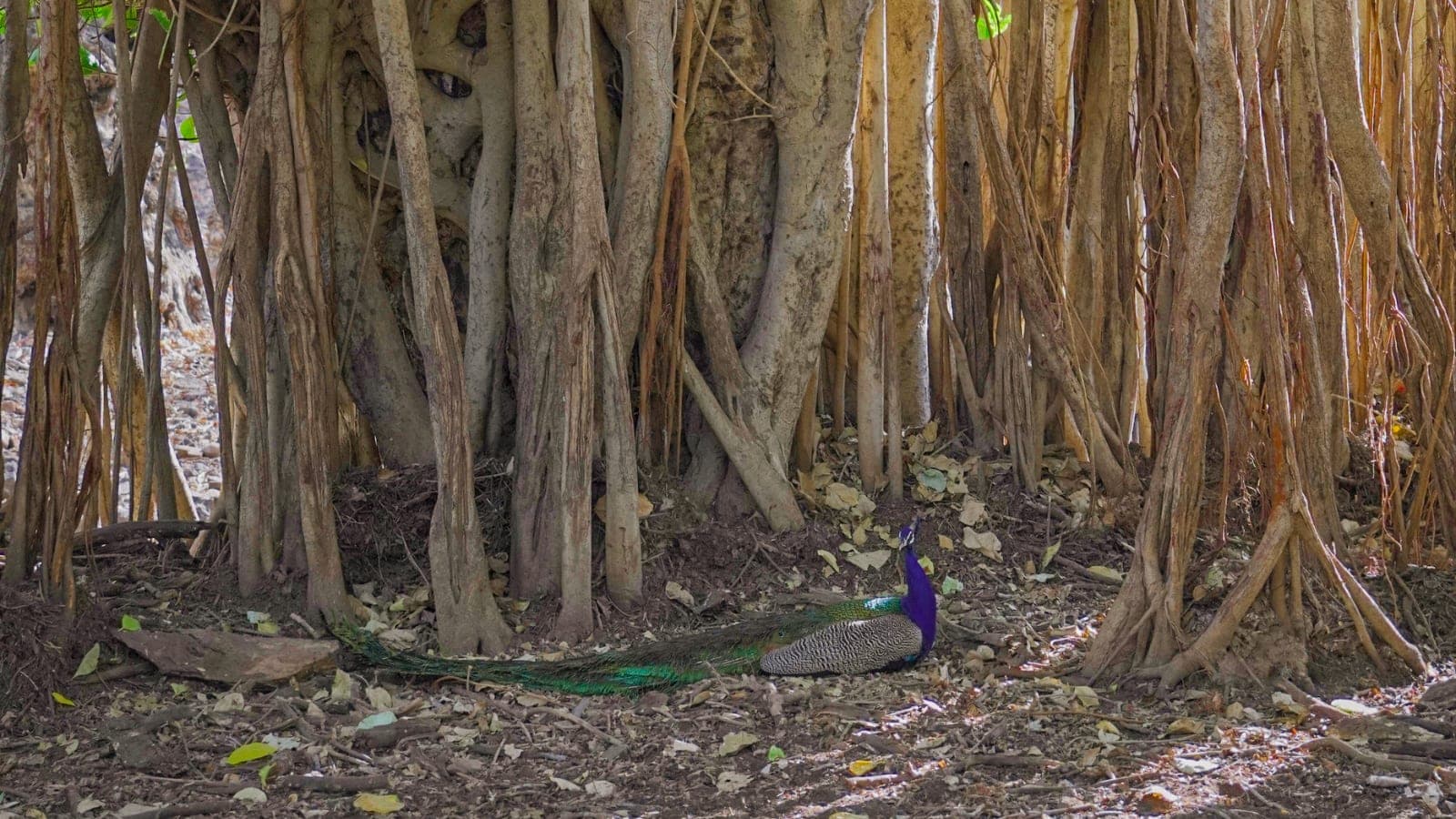
Ranthambore National Park is synonymous with the Bengal tiger, but its animal list runs far deeper: more than 40 mammal species, around 35 reptile species and over 320 recorded birds share this dry-forest ecosystem. A single safari can produce a tiger at a lake edge, a sloth bear tearing open a termite mound, crocodiles basking in rows and a sky full of raptors — this guide covers every animal you can realistically hope to see, and where to look for it.
Bengal Tiger — The Star of Ranthambore
The Bengal tiger (Panthera tigris tigris) is the reason most visitors come, and Ranthambore rewards them like nowhere else. Around 80 tigers inhabit the wider reserve, and generations of habituation to safari vehicles mean they behave naturally in full view — hunting at the lakes, escorting cubs, contesting territory. Every individual carries a T-number and many have household names; meet dynasty founders like Machli and current lake queens like Riddhi in our famous tigers section, or trace every bloodline on the tiger family tree.
Leopard
The Indian leopard (Panthera pardus fusca) shares the forest with the tiger but avoids it carefully, keeping to rocky escarpments and peripheral areas where competition is thinner. Sightings are scarcer than tiger sightings — a Ranthambore quirk that surprises many visitors. The rockier, quieter terrain of zones 6 to 10 offers the best chances, especially in the first and last hour of a safari.
Sloth Bear
The shaggy, long-clawed sloth bear (Melursus ursinus) is Ranthambore's most entertaining resident. Look for them around termite mounds and, in spring, under Mahua trees whose sweet flowers they gorge on. A mother carrying cubs on her back is one of the park's most sought-after photographs, and sightings are reasonably frequent by Indian park standards.
Striped Hyena, Jackal and the Smaller Hunters
Ranthambore's supporting cast of carnivores is easy to overlook. The striped hyena, a shy nocturnal scavenger, is occasionally caught in the open on early-morning drives. Golden jackals trot the grasslands in pairs, jungle cats hunt rodents along the lake fringes, and the park also records rusty-spotted cats, civets, mongooses and honey badgers (ratel). Rarest of all is the caracal — a lynx-like cat with black ear tufts that even veteran guides count on one hand. Uniquely, its numbers here are growing, making Ranthambore India's most important stronghold for the species.
Marsh Crocodile
The park's lakes hold a thriving population of marsh (mugger) crocodiles, Crocodylus palustris, which can exceed four metres. Rows of muggers basking on the banks of Padam Talao and Rajbagh Talao are a fixture of morning safaris. Tigers and crocodiles compete at the water's edge — the tigress Machli famously killed a 14-foot crocodile in 2003, a battle her descendants have repeated.
Deer, Antelope and Other Herbivores
Three species anchor the prey base: the sambar (India's largest deer, and the Ranthambore tiger's favourite meal), the elegant spotted deer or chital, and the nilgai, Asia's largest antelope. The delicate chinkara (Indian gazelle) prefers the drier open scrub. Indian wild boar are everywhere, grey langurs and rhesus macaques work the canopy, and Indian hares dart across every track. Two specials worth asking your guide about: the smooth-coated otter, seen occasionally in the lakes, and the Indian pangolin — rare, nocturnal and heavily protected.
Reptiles and Birds
Beyond the mugger, around 35 reptile species include the Bengal monitor lizard, Indian rock python, Indian cobra, Russell's viper and soft-shell turtles in the watercourses. Birdlife deserves its own trip: over 320 species have been recorded, from painted storks and crested serpent eagles to winter rafts of migratory ducks — our dedicated birds of Ranthambore guide lists the highlights, zones and season.
Where and When to See Them
The lakes of zones 2–4 concentrate the most wildlife per hour: deer herds, crocodiles, waterbirds and the tigers drawn to all of them. Zones 6–10 trade traffic for leopards, hyenas and open-country species. Summer (April–June) packs animals around shrinking water; winter (October–March) is kinder weather and peak birding. For the full picture, read our safari zone comparison and best time to visit guide, or let us plan the safari for you.
Frequently Asked Questions
What animals can I see in Ranthambore besides tigers?
Leopards, sloth bears, striped hyenas, golden jackals, marsh crocodiles, sambar, chital, nilgai, chinkara, wild boar and langurs are all regularly recorded, alongside rarities like caracal, otter and pangolin and over 320 bird species.
Where is the best place to spot leopards in Ranthambore?
The rockier, less-visited zones 6–10, where leopards face less competition from tigers. Early morning and the last hour before gate closing are most productive.
Are there crocodiles in Ranthambore's lakes?
Yes — marsh (mugger) crocodiles live in all three major lakes and are commonly seen basking on the shorelines, sometimes within sight of hunting tigers.
Are there elephants or lions in Ranthambore?
No. Ranthambore has no wild elephants, lions or rhinos — its apex predator is the Bengal tiger. For lions, visit Gir in Gujarat; for elephants and rhinos, the reserves of southern and northeastern India.
Similar Articles
Caracal in Ranthambore: India's Rarest Cat Is Growing
The caracal is India's rarest wild cat — and its numbers are growing in Ranthambore, now home to around 35. Meet the tufted 'cat of kings' and how to spot one.
How Many Tigers Are in Ranthambore? Population 2026
How many tigers are in Ranthambore? Around 80 in the reserve as of 2025, with 55–60 in the safari zones. Why quoted counts differ — and your sighting odds.
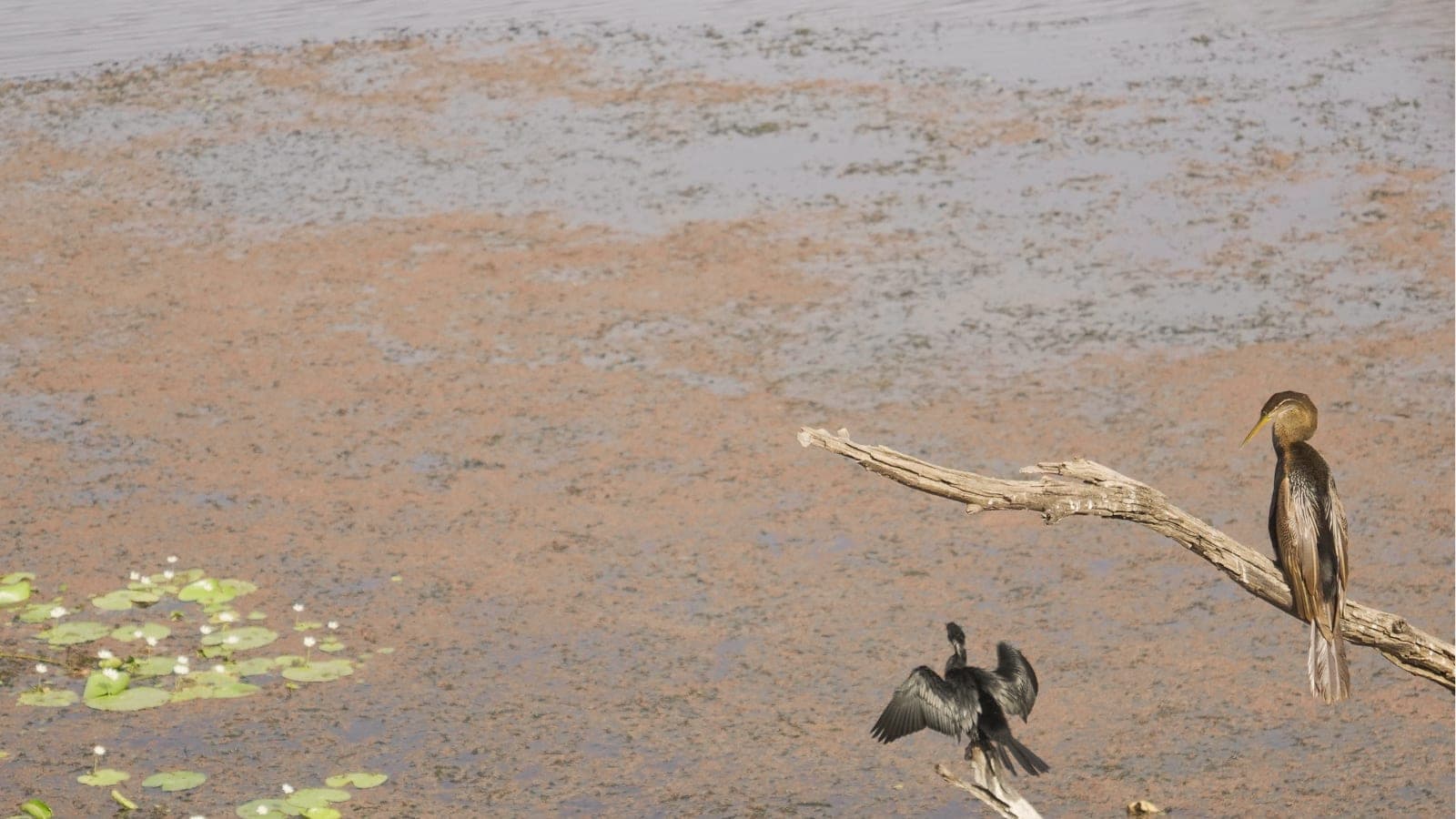
Birds of Ranthambore: Species, Best Zones & Season
Birds of Ranthambore: 320+ recorded species, from painted storks to crested serpent eagles. The best zones, best season and what to look for on safari.
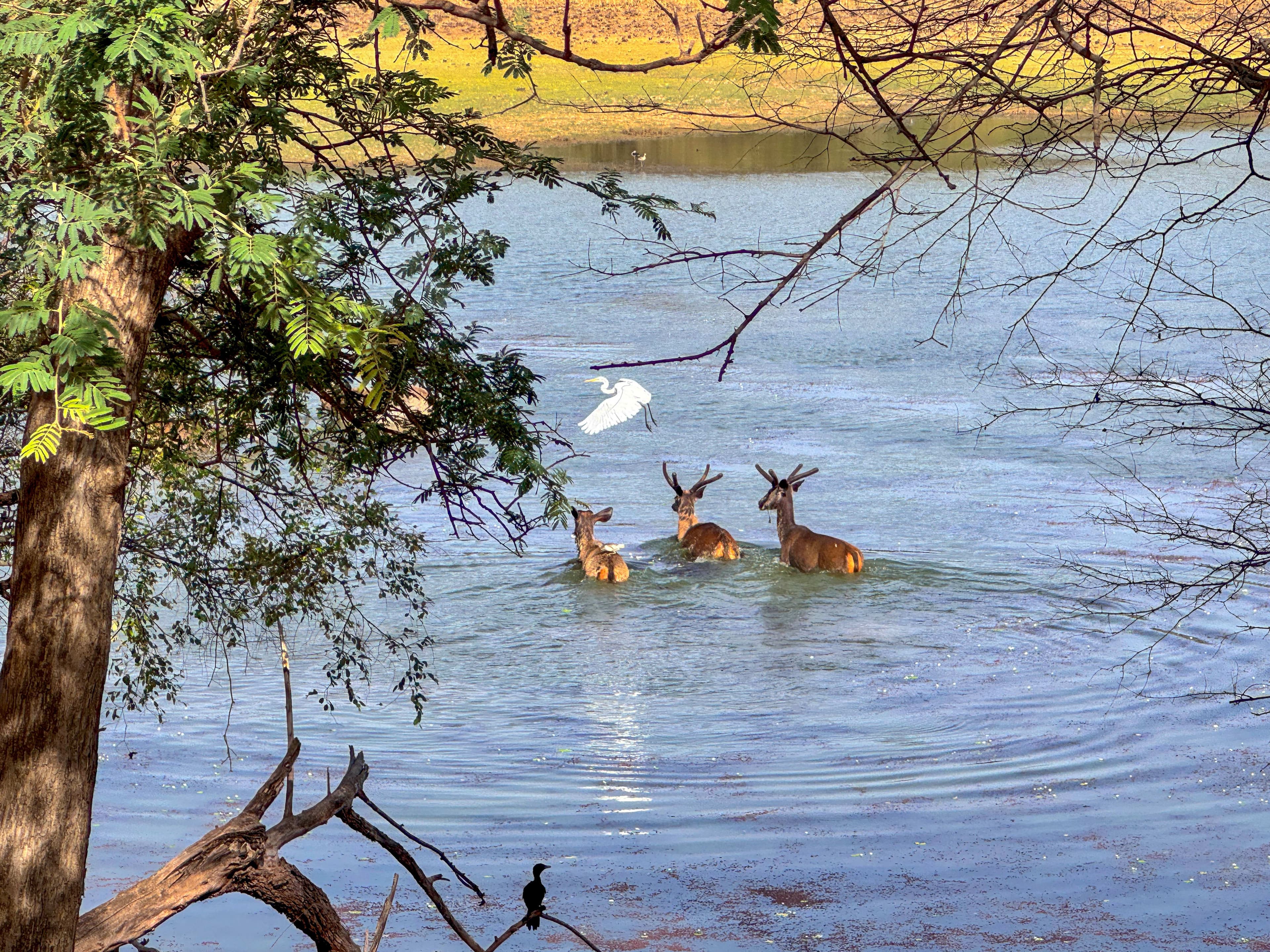
Flora of Ranthambore: Trees & Plants of the Dry Forest
Flora of Ranthambore National Park: Dhok forests, the giant banyan at Jogi Mahal, flame-of-the-forest blooms and the plants that keep its tigers hunting.
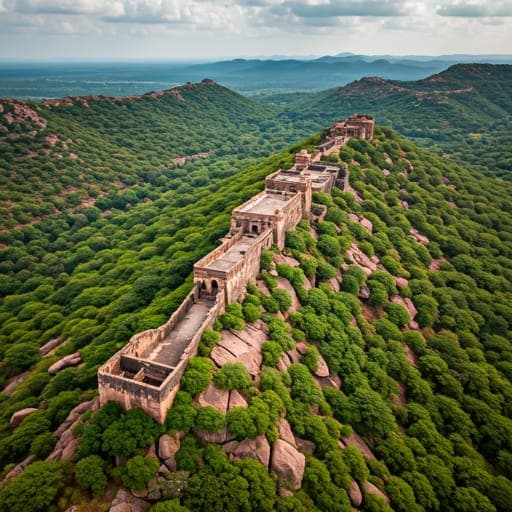
History of Ranthambore National Park: Full Timeline
History of Ranthambore National Park — from Rajput fort and royal tiger hunts to Project Tiger in 1973, the 2005 poaching crisis and today's recovery.