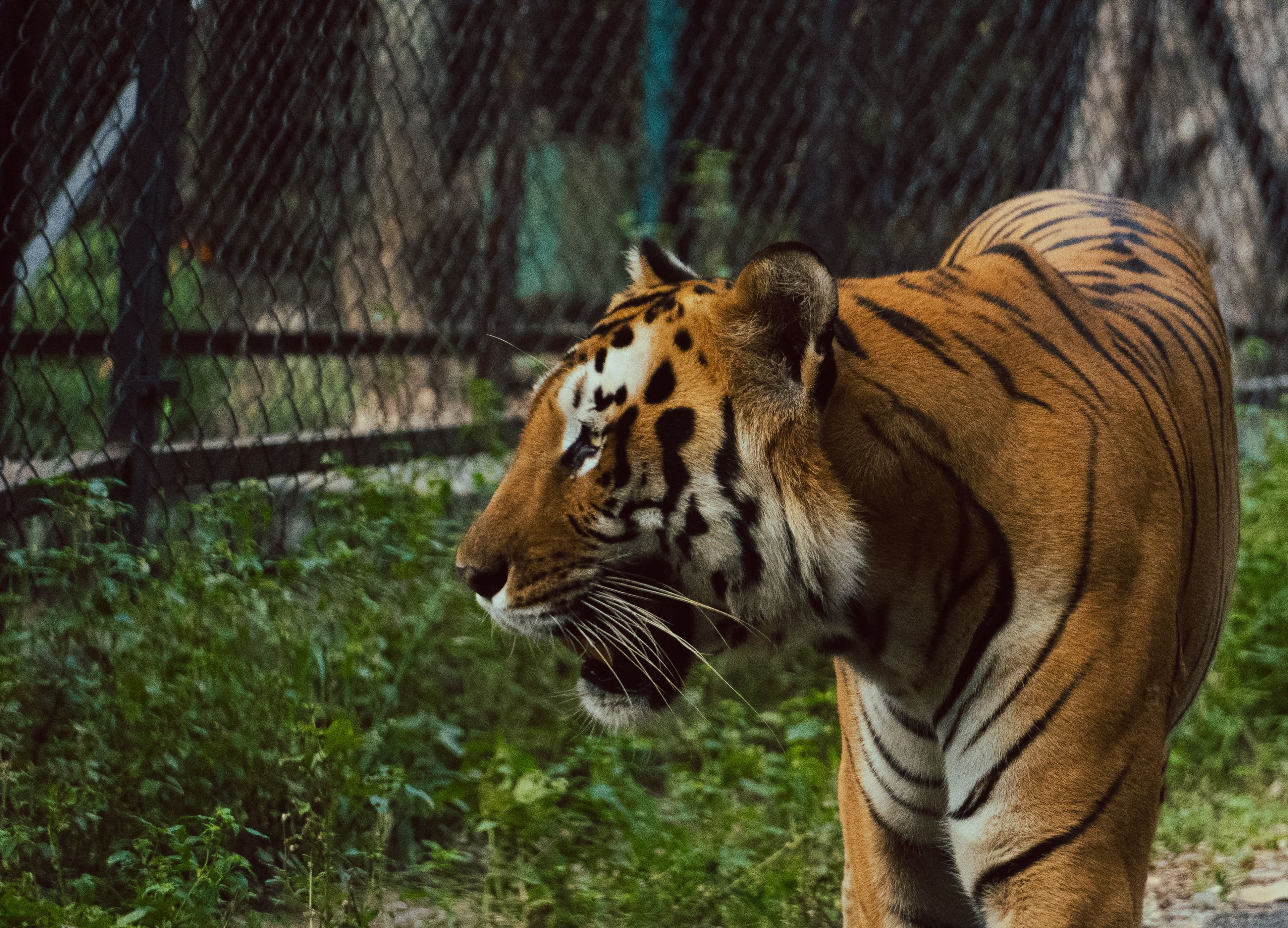
Sundari — designated T-17 — was one of the three daughters of the legendary Machhli, and for a few short years in the late 2000s and early 2010s she was among the most striking and dominant tigresses in Ranthambore. Her name means "beautiful" in Hindi, and she earned it. Yet her story is also one of the park's enduring mysteries, because at the height of her reign she simply vanished — abandoning her cubs and disappearing without trace despite one of the largest search operations Ranthambore has ever mounted.
Daughter of a Legend
Born around 2006, Sundari was one of three cubs in one of Machhli's litters, and from the start she was the boldest and most dominant of them. Her sisters included the tigress who would become known as Krishna (T-19) — later the mother of Arrowhead and grandmother of the current lake queen Riddhi. Sundari therefore sits on one of the central branches of Ranthambore's great female dynasty, a sister to the line that still rules the lakes today.
Winning Territory From Her Own Mother
Machhli became independent of her mother in 2006, and by 2008 Sundari had carved out a clearly demarcated territory of her own near the base of the Ranthambore Fort, close to the prized lakes. Her fierce, expansionist temperament brought her into direct conflict with Machhli herself, and after a series of duels Sundari won a slice of the coveted lakeside ground from her ageing mother. For a young tigress to take territory from the most famous tiger in the world was a remarkable statement of dominance, and it marked Sundari out as one to watch in the zones around Padam Talao and Rajbagh.
Motherhood and a Sudden Disappearance
On 28 June 2012, Sundari was sighted by a tourist vehicle with three cubs, and shortly afterwards she moved them into the rugged Kachida area on the eastern edge of the park — then part of the territory of the dominant male Dollar (T-25). Then, between March and April 2013, she vanished. She abandoned her three growing cubs and disappeared entirely. More than 110 forest guards mounted a search across the reserve, but no trace of her was ever found, and her fate remains unknown to this day. It was a sudden, unexplained end to the reign of one of Machhli's most promising daughters.
A Note on the Two Sundaris
Sundari's name is often confused with a different tigress of the same name who became nationally famous a few years later. That other Sundari was moved from Bandhavgarh in Madhya Pradesh to the Satkosia Tiger Reserve in Odisha in 2018 as part of India's first inter-state tiger translocation project — a programme that ended in failure and saw her returned to Madhya Pradesh in 2021. That Sundari is not the Ranthambore T-17 described here; the two are entirely different animals from different reserves, and the mix-up is one of the most common errors in popular accounts of Ranthambore's tigers.
Legacy
Though her time in the spotlight was brief, Sundari embodied the bold, territory-hungry character that runs through Machhli's female line — the same drive that would later see her niece Arrowhead and grand-niece Riddhi seize and hold the lakes. Her unexplained disappearance is a reminder that even in a reserve as closely watched as Ranthambore, the lives of wild tigers can still hold mysteries that no amount of monitoring can solve.
Frequently Asked Questions
Who were Sundari's (T-17) parents?
Sundari was one of the three daughters of the legendary tigress Machhli (T-16). Her sisters included Krishna (T-19), making Sundari an aunt of Arrowhead and a great-aunt of the current lake queen, Riddhi.
What happened to the Ranthambore tigress Sundari?
After raising three cubs from 2012, Sundari abandoned them and disappeared between March and April 2013. Despite a search by over 110 forest guards, she was never found, and her fate remains unknown.
Is Ranthambore's Sundari the same tigress relocated to Odisha?
No. The Sundari relocated to Satkosia Tiger Reserve in Odisha was a different tigress from Bandhavgarh in Madhya Pradesh, not Ranthambore's T-17. The two are commonly confused but are entirely different animals.
Similar Articles
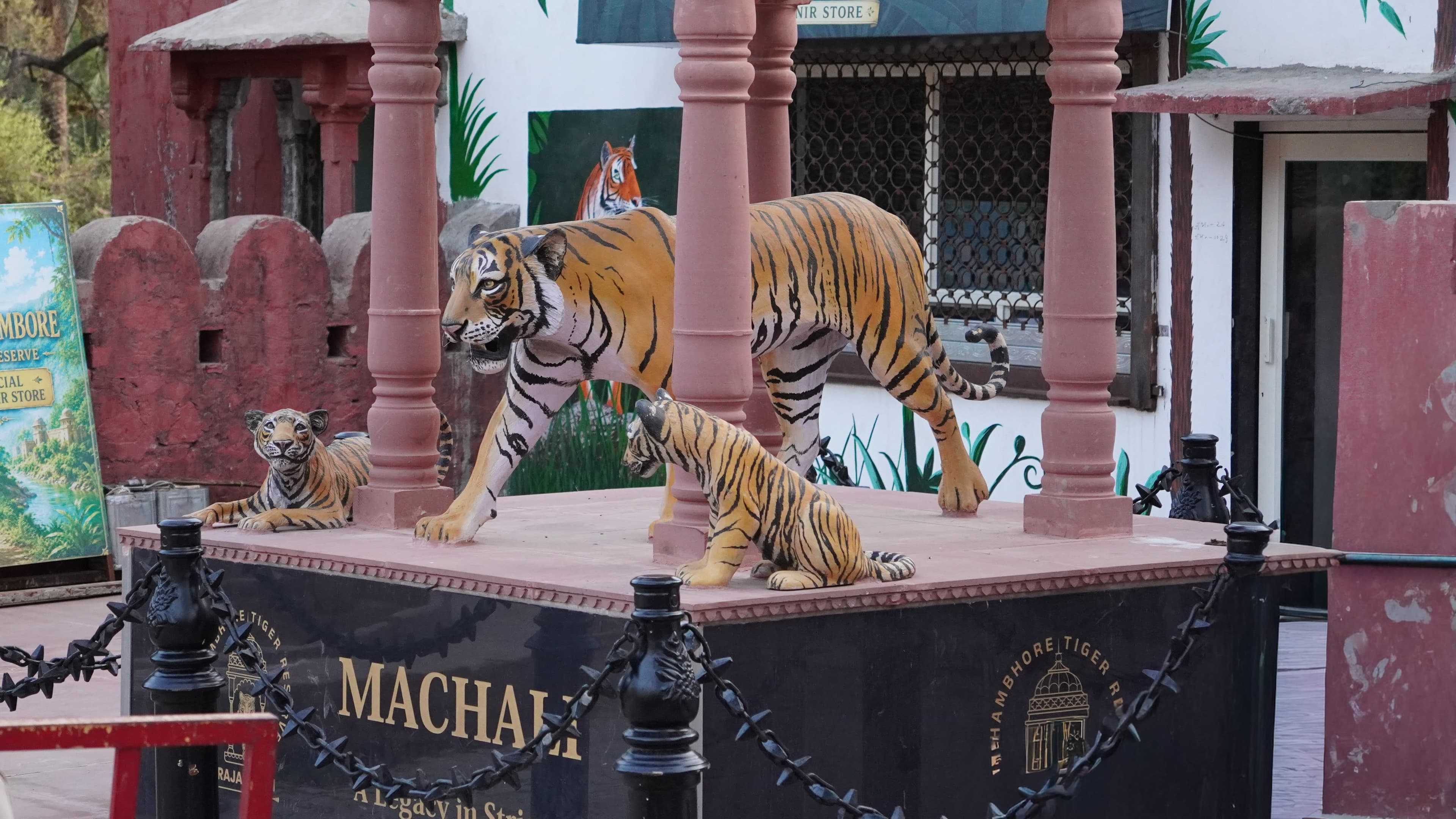
Machli (T-16) — The Tiger Queen of Ranthambore
Discover the captivating story of Machhli (T-16), Ranthambore’s most famous tigress. Known as the "Crocodile Killer" and "Queen of the Jungle," her fierce spirit, legendary battles, and extraordinary legacy redefined the wilderness of India.
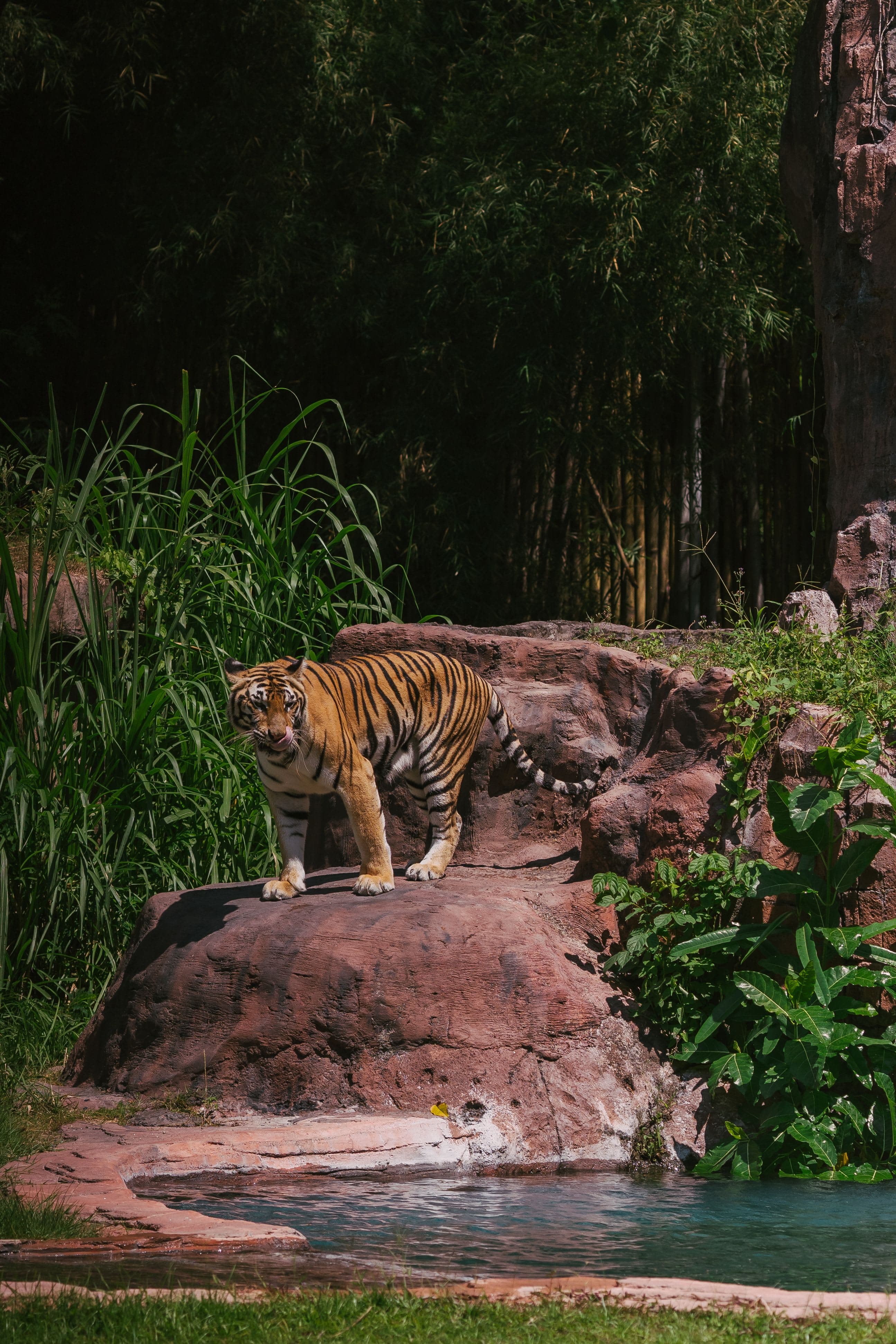
Is really Ustad (T-24) a Man-Eater?
Was Ustad (T-24) truly India's most feared man-eater, or was he a wild tiger caught in the growing conflict between greedy human and nature? Unearth the story behind one of Ranthambore's most controversial legends.
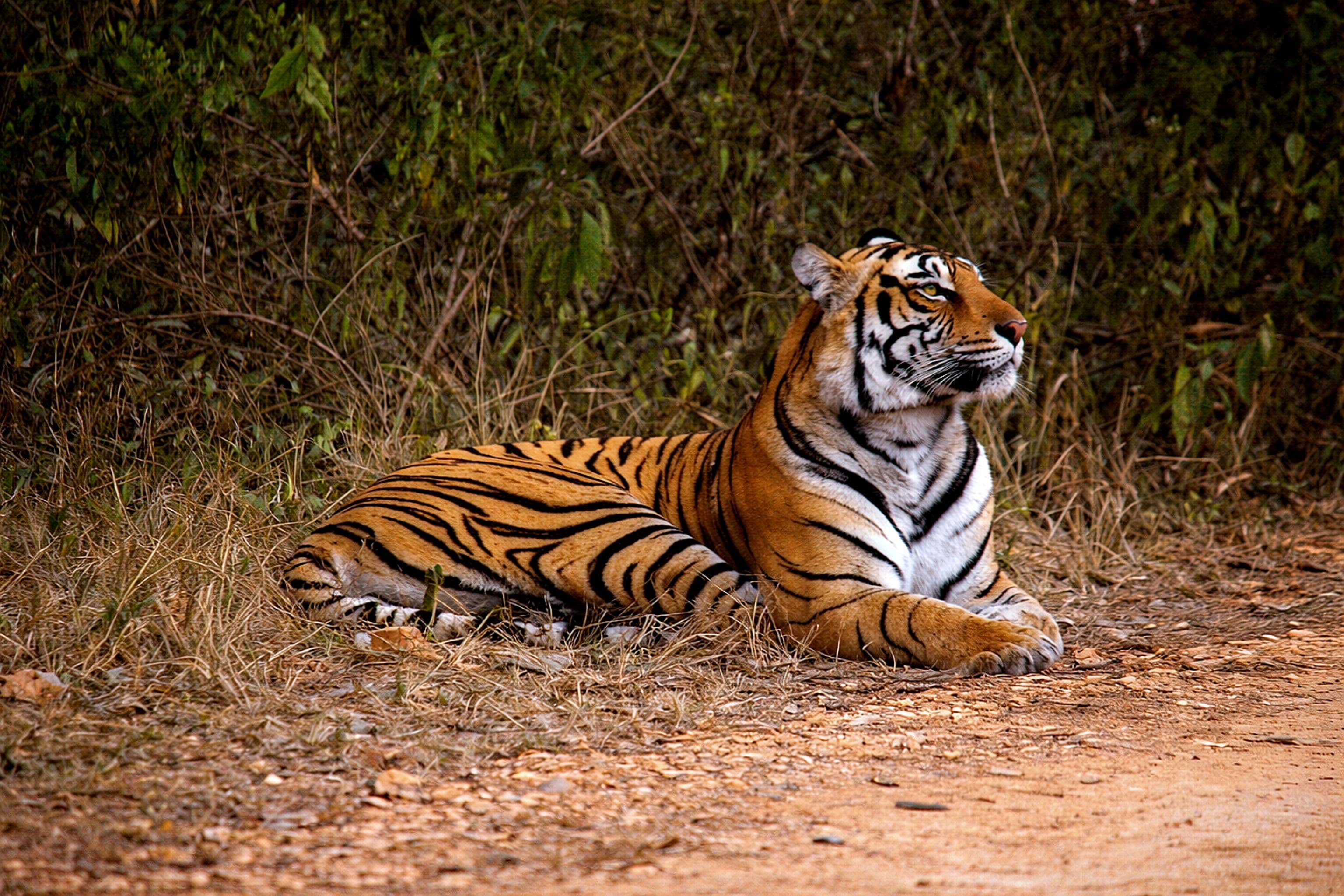
Aurangzeb (T-57) — The Male Behind Ranthambore's Zone 1 Cubs
Aurangzeb (T-57), also recorded as Singhasth, was a dominant Ranthambore male who fathered Noor's 2016 litter — including Sultana. He did not, despite the myth, father Riddhi and Siddhi.
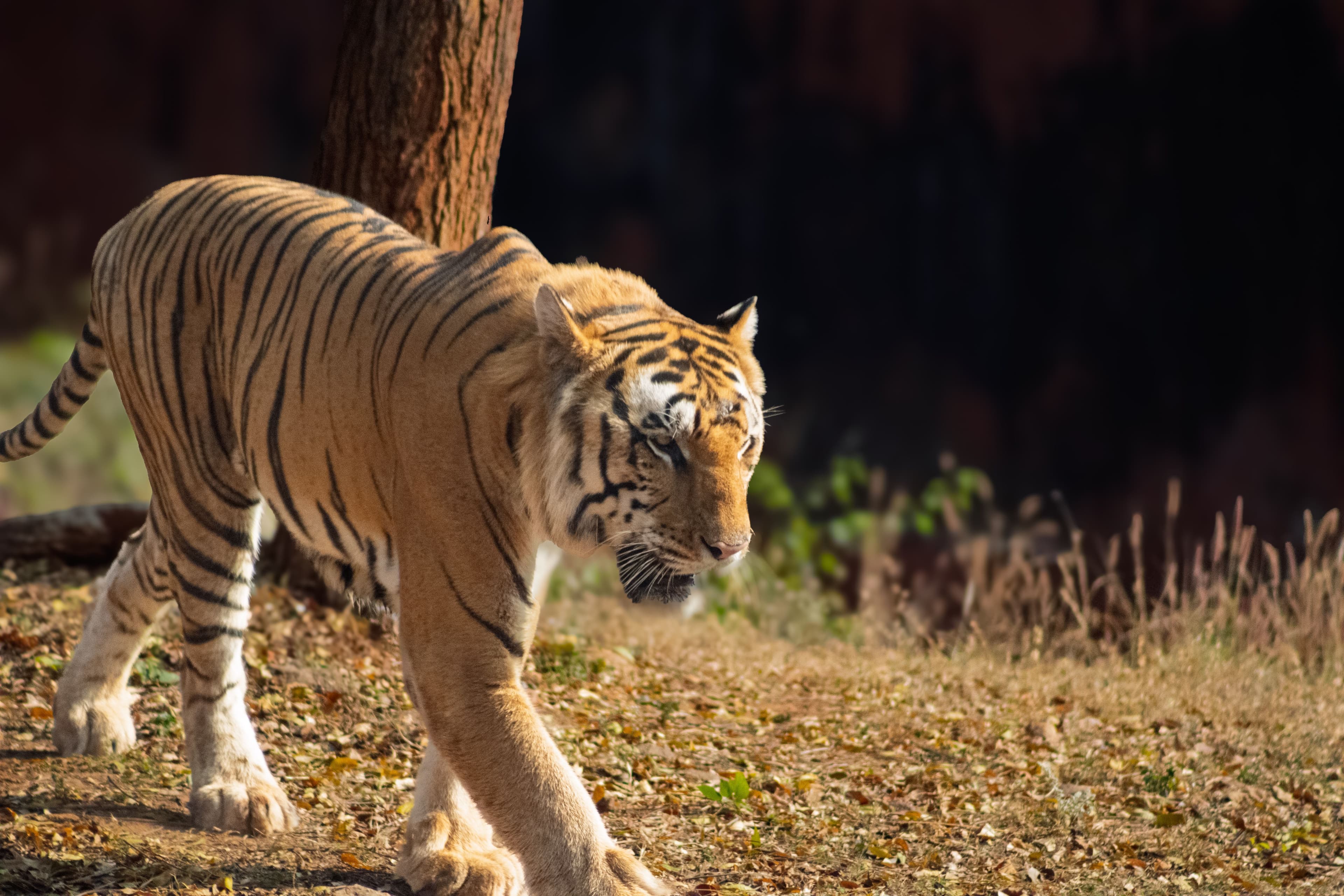
Ganesh (T-120) 'Charger' — The King of Ranthambore's Lakes
Ganesh (T-120), the mock-charging male of Zones 3–4, is Riddhi's mate, father of Shubh and the 2026 cubs — and, through his mother Chanda, a great-great-grandson of Machhli himself.
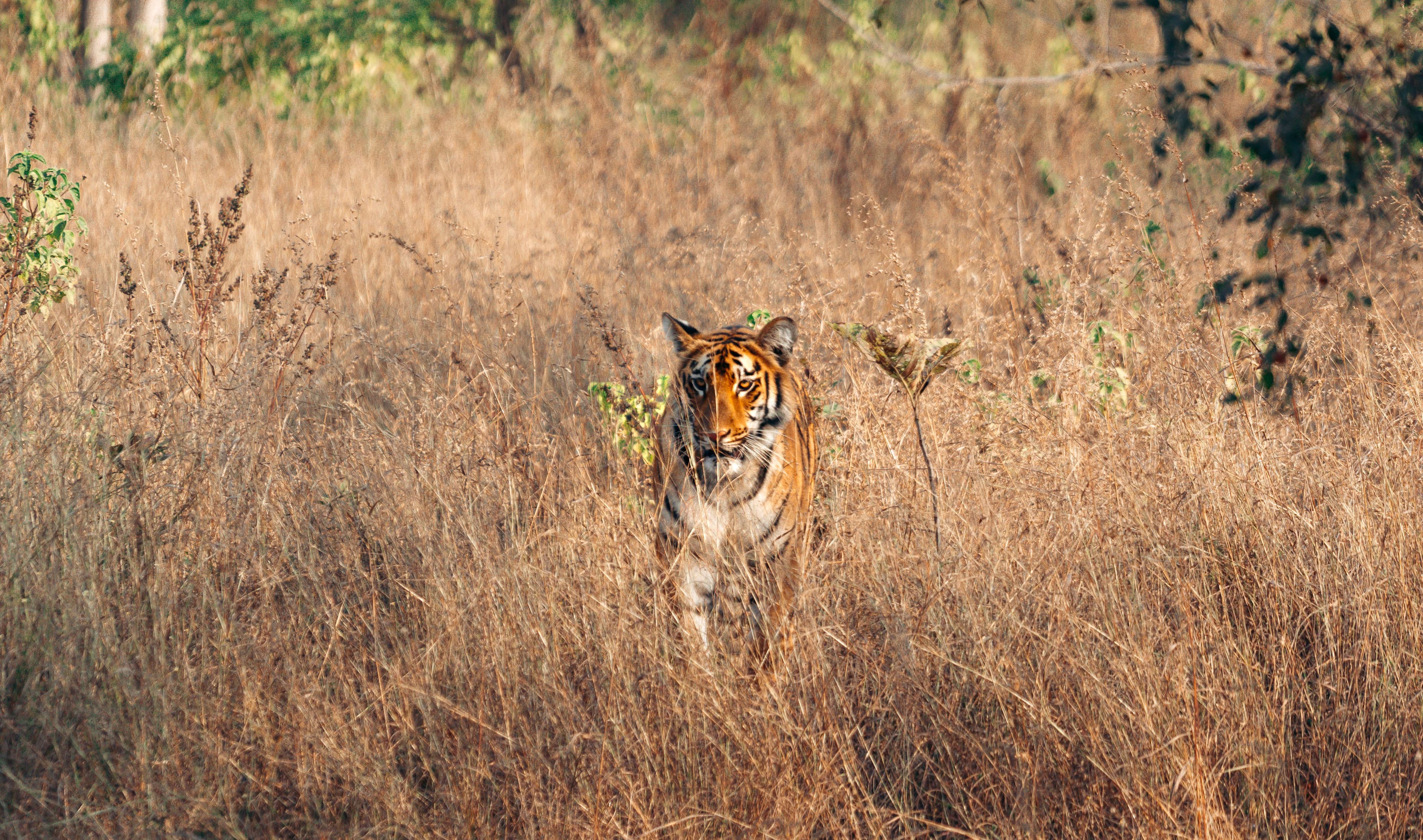
Husn Ara (T-30) — Matriarch of the Gilai Sagar Line
Husn Ara (T-30), a prolific tigress of the Gilai Sagar dynasty, mothered a string of well-known Ranthambore tigers including Hamir (T-33), Fateh (T-42) and Surzan (T-43).