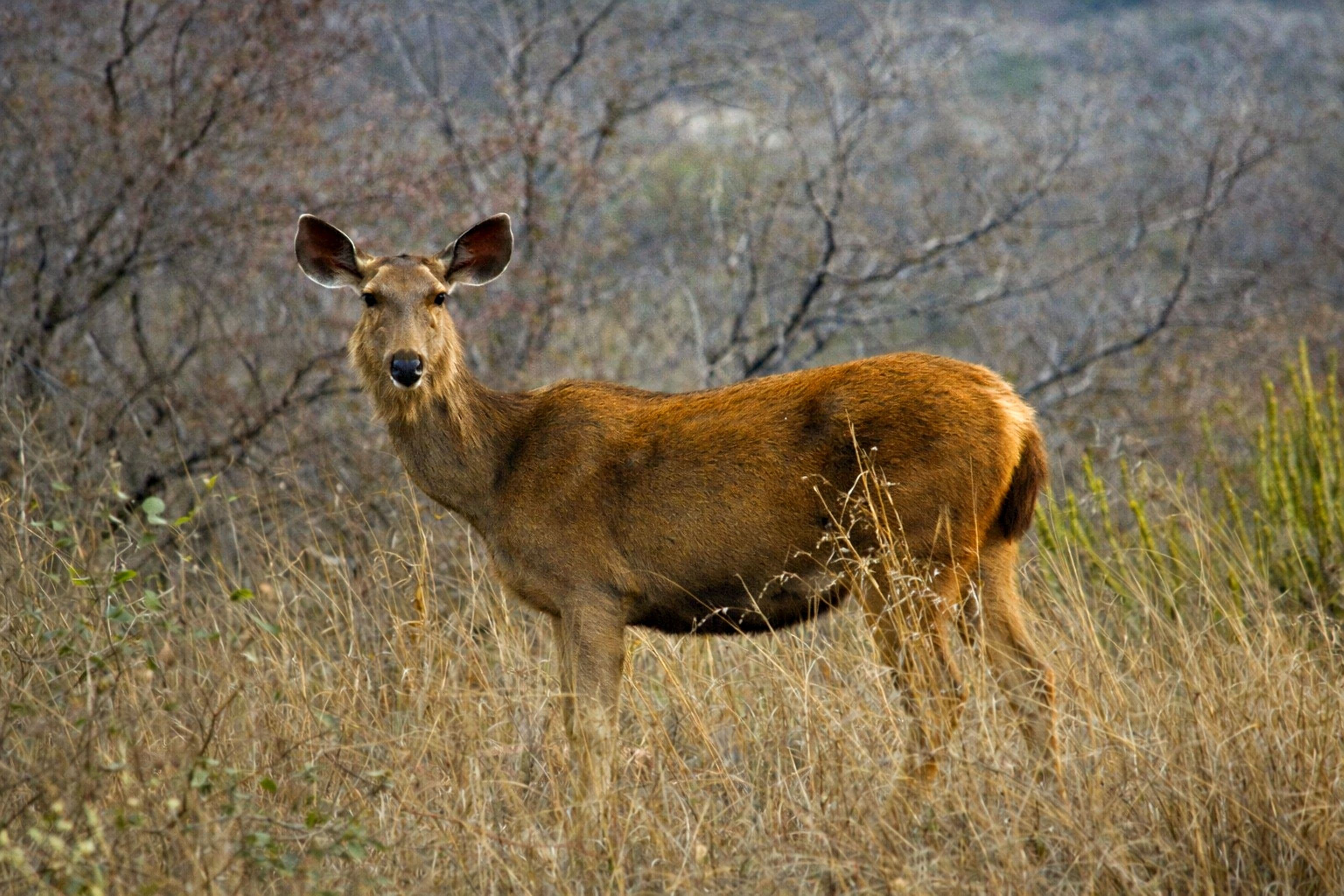
Choosing the right time to visit Ranthambore National Park can significantly affect your wildlife experience. The park is open for tourism from 1st October to 30th June, with each season offering a distinct character. Wildlife biologists and experienced safari operators broadly agree that April to June — the hottest months — actually offer the best tiger sighting rates, while October to February offers the most comfortable weather and the widest variety of wildlife experiences.
October to February — The Winter Season
This is the most popular time to visit Ranthambore, and for good reason. Temperatures are pleasant (15–28°C during the day, dropping to 5–10°C overnight), the vegetation is rich and green following the monsoon, and the park's lakes are full and teeming with migratory birds. Tiger sightings are good but not always as reliable as in summer, as the dense green vegetation provides more cover.
November to January is peak tourist season — book safari permits and accommodation 90 days in advance. The winter atmosphere — misty mornings, crisp air, brilliant light for photography — is particularly magical. Christmas and New Year are especially popular periods and command premium rates.
March to April — The Shoulder Season
March and April represent an ideal balance. The vegetation begins to thin as deciduous trees shed their leaves, making wildlife easier to spot. Temperatures are comfortable (25–35°C). The Flame of the Forest blazes orange across the hillsides. Tiger and leopard sightings increase noticeably compared to the leafy winter months. This is arguably the best overall time to visit Ranthambore.
May to June — Peak Tiger Sighting Season
Despite temperatures regularly exceeding 40°C, May and June are when Ranthambore delivers its most dramatic wildlife encounters. With water scarce, all animals — tigers, leopards, deer, and birds — concentrate around the remaining waterholes and lakes. Tigers are forced into the open to drink, rest by the water, and hunt. Sighting rates during peak summer can exceed 80% on some routes. For dedicated tiger photographers willing to endure the heat, this is the season to visit.
Carry high-factor sunscreen, insist on early morning safaris starting at 5:30 am, and stay in air-conditioned accommodation. Despite the heat, many experienced wildlife enthusiasts rate May and June as their preferred Ranthambore season.
July to September — Park Closure (Monsoon)
Ranthambore National Park closes to tourists from 1st July to 30th September to allow the forest to regenerate. The heavy monsoon rains transform the landscape, fill the lakes, and trigger an explosion of plant growth that will sustain the ecosystem through the following year. The tigers are always present — they simply have the park to themselves for three months.
Month-by-Month Quick Guide
October: Park reopens. Fresh post-monsoon greenery, full lakes, excellent birding, good tiger sightings.
November–December: Best weather, peak season begins, winter migrants arrive, golden light for photography.
January–February: Coldest months, dense birdlife, good tiger sightings, book far ahead.
March–April: Thinning vegetation improves sightings. Flame of the Forest in bloom. Ideal balance of comfort and visibility.
May–June: Extreme heat but highest tiger sighting rates. Spectacular waterhole encounters.
July–September: Park closed. Monsoon season.
Frequently Asked Questions
What is the single best month to visit Ranthambore?
May and June deliver the highest tiger-sighting rates as water scarcity concentrates wildlife at waterholes, but March-April offers a strong balance of comfort and visibility if extreme heat isn't for you.
Is Ranthambore open all year?
No. The park is open 1st October to 30th June and closes for the monsoon from 1st July to 30th September to let the forest regenerate.
Is winter or summer better for tiger sightings in Ranthambore?
Summer (April-June) generally wins on sighting odds, since thinning vegetation and scarce water force tigers into the open. Winter (October-February) offers more comfortable weather and better birding, but denser cover can hide tigers more easily.
Similar Articles
Where Is Jawai? India's Masai Mara for Leopards
Where is Jawai? Pali district, Rajasthan, midway between Udaipur and Jodhpur — India's Masai Mara of granite hills and wild leopards. Full location guide.
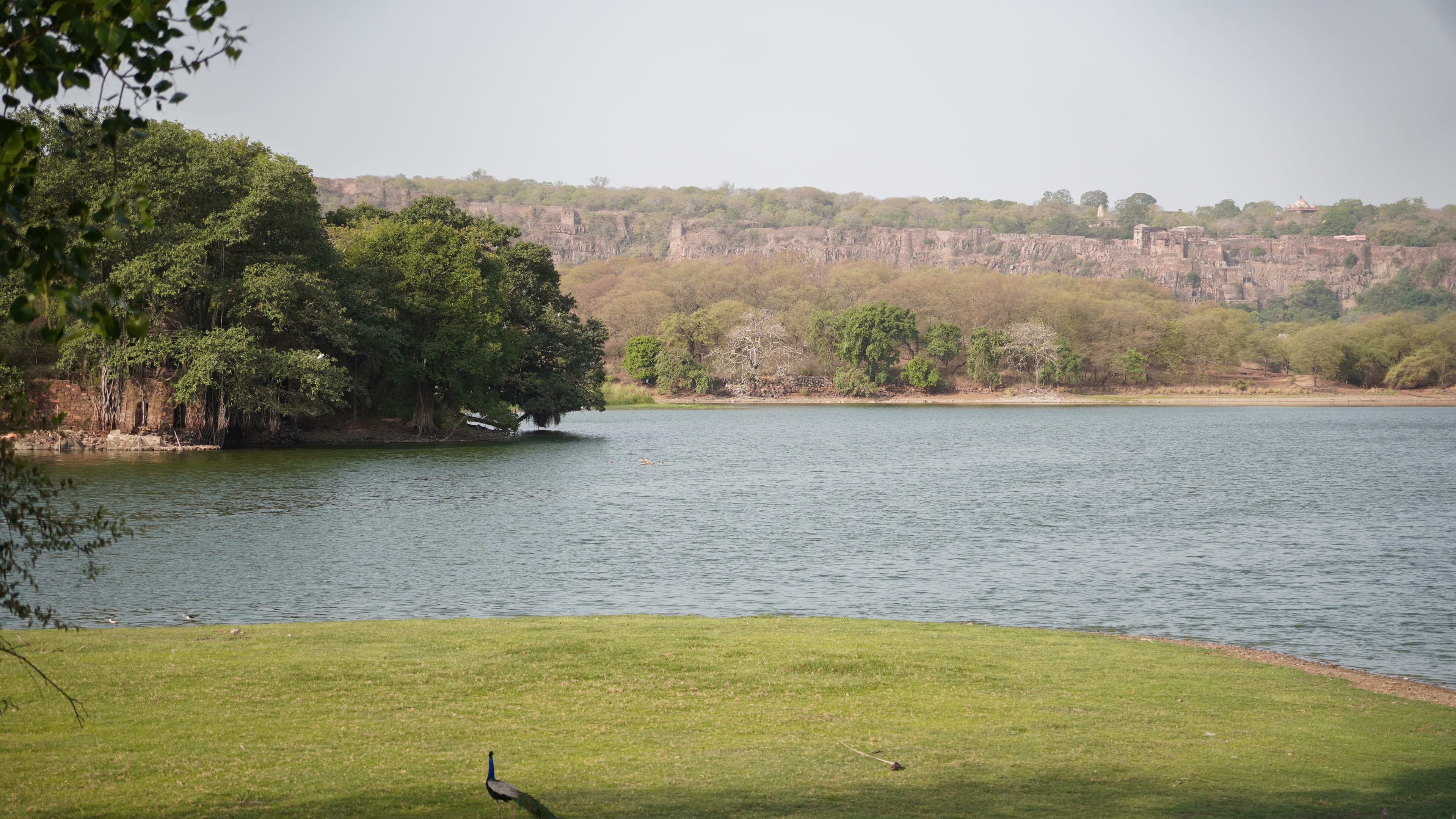
Ranthambore Itinerary — 2 & 3 Day Trip Plans + Packing List
How many days do you need in Ranthambore? Ready-to-use 2-night and 3-night itineraries covering safaris, the fort and Chambal, plus a safari packing checklist and first-timer planning tips.
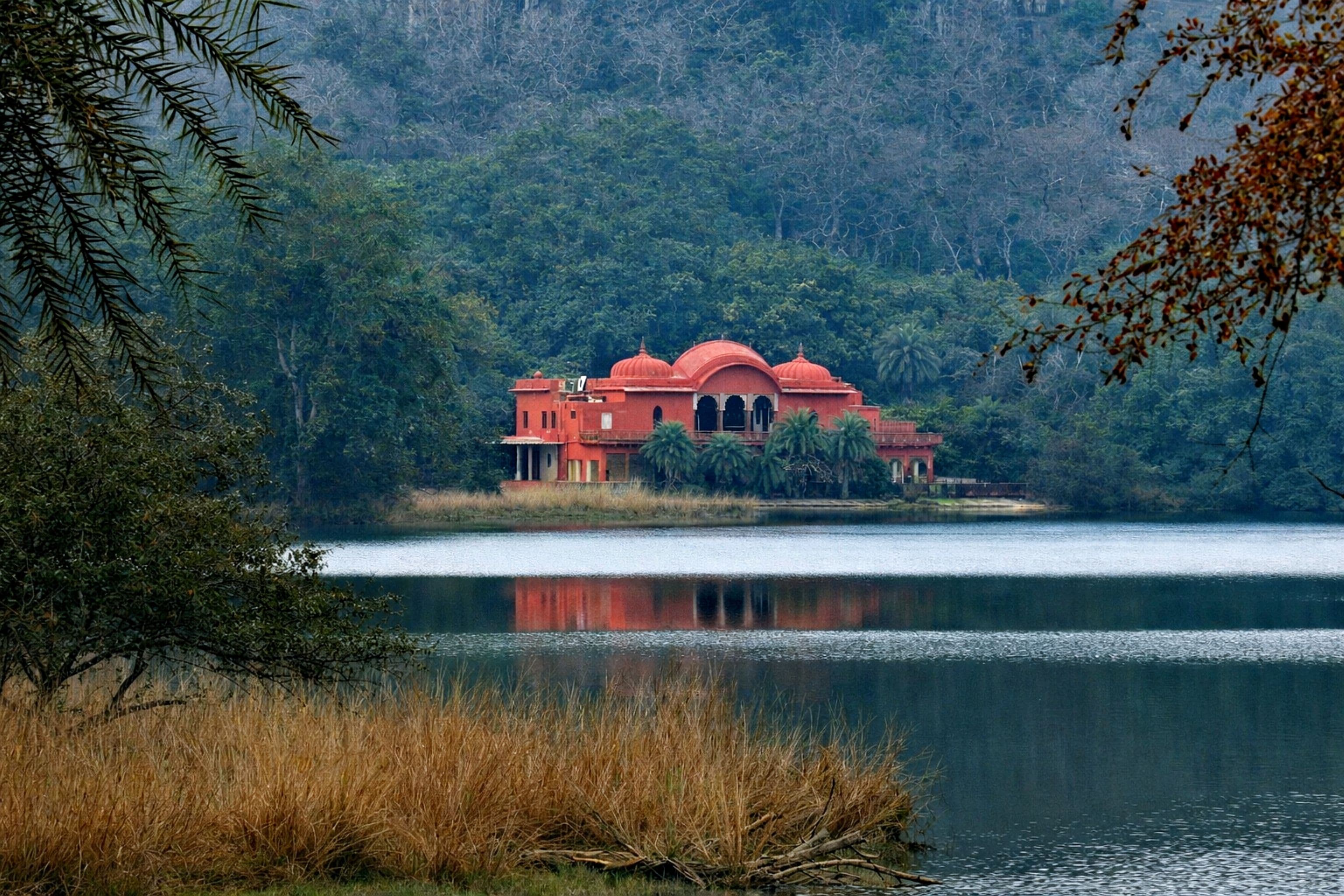
Where to Stay in Ranthambore — Hotels & Resorts Guide
Ranthambore has 80+ places to stay, from budget guesthouses to world-famous luxury tented camps. A guide to accommodation areas, price bands (budget to luxury), and how to choose the right base for your safari trip.
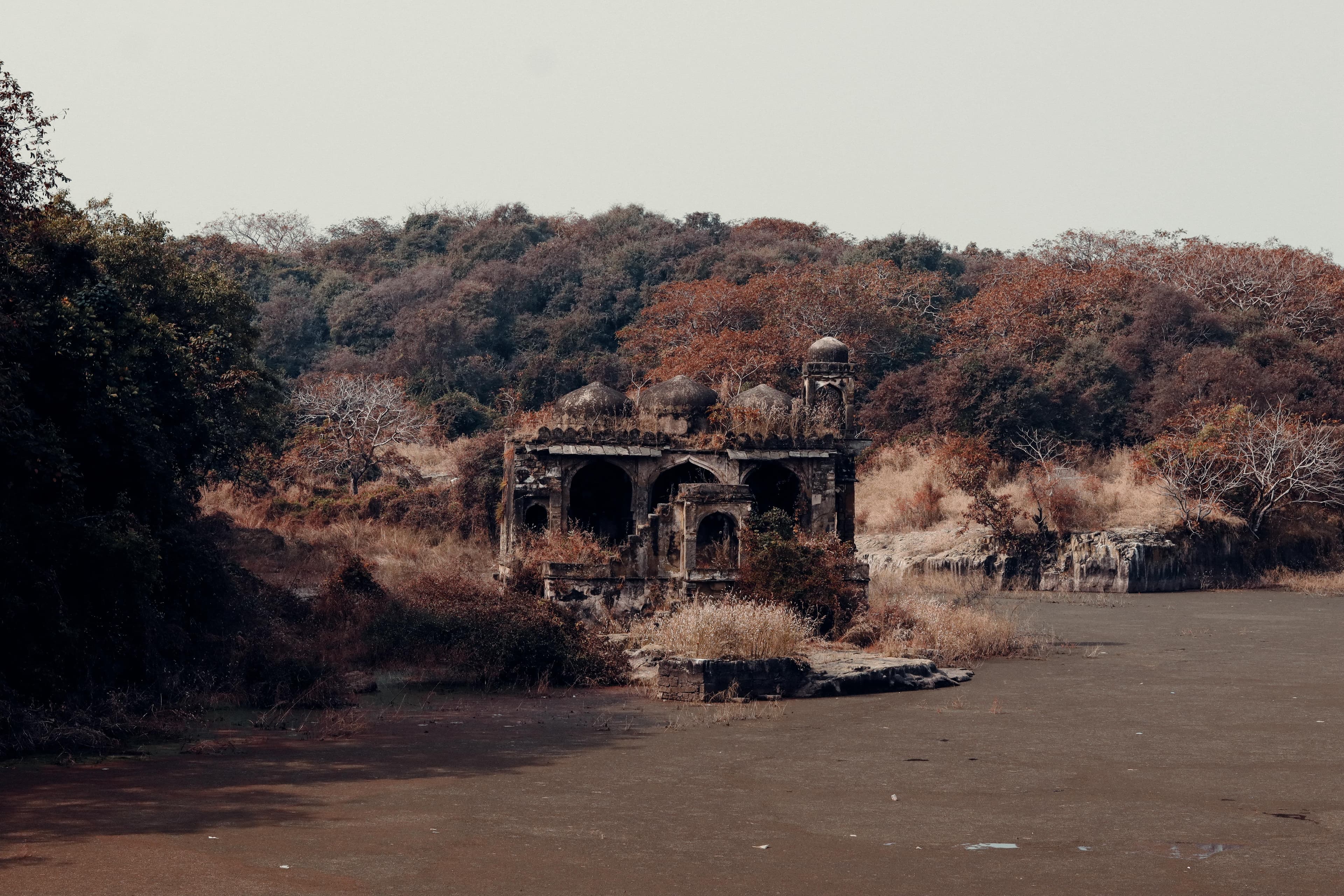
Things to Do in Ranthambore Besides the Tiger Safari
Beyond the safari, Ranthambore offers a UNESCO fort, the three-eyed Trinetra Ganesh temple, birding at Surwal Lake, Kachida Valley, a natural-history museum and conservation crafts. Your guide to exploring beyond the jungle.
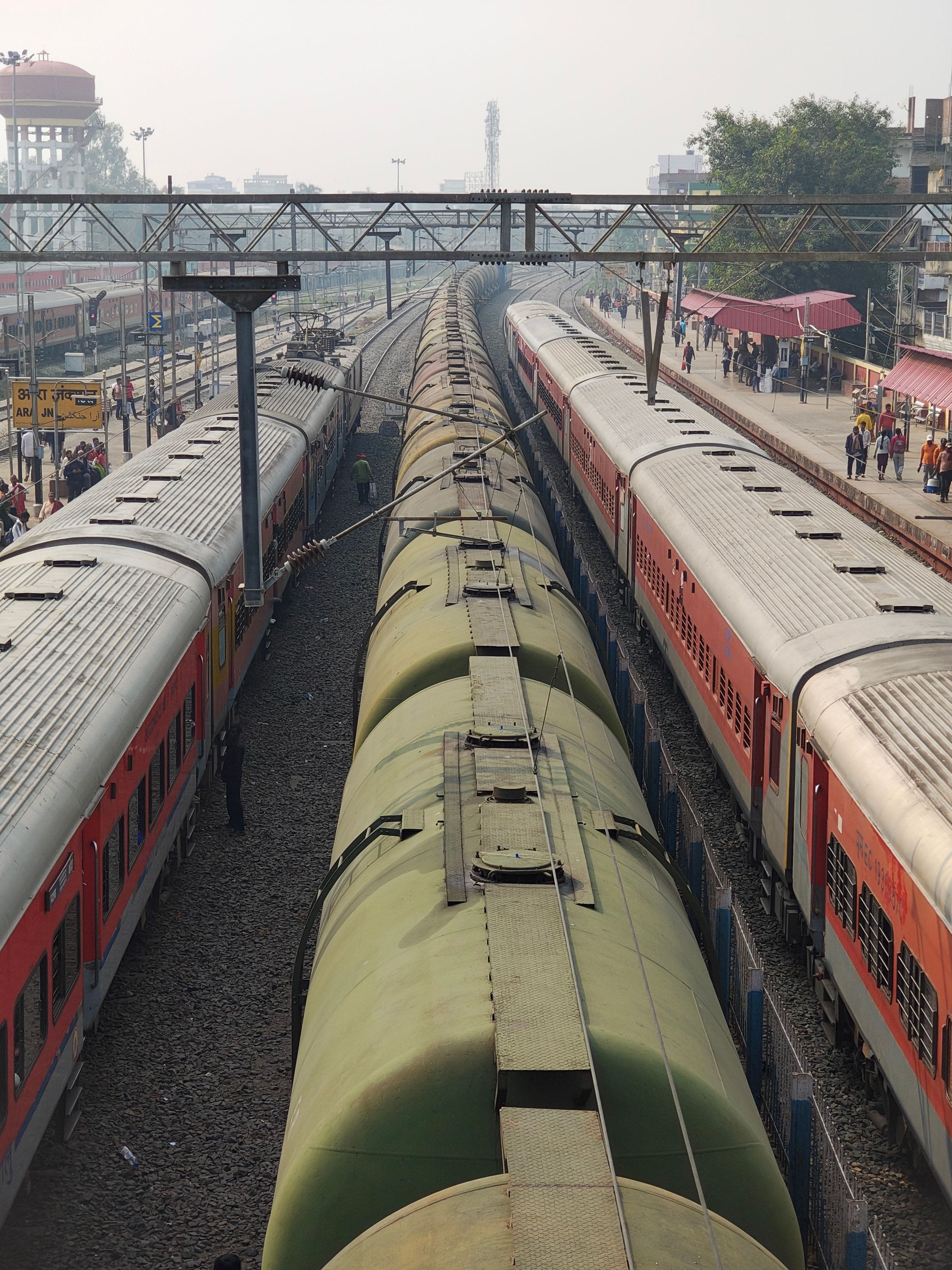
Ranthambore by Train — Trains to Sawai Madhopur Station
Sawai Madhopur station is on the Mumbai–Delhi main line, with fast trains from Delhi (3.5h), Jaipur (2h) and Mumbai (12h). Key trains, travel classes, foreign tourist quota and booking tips for reaching Ranthambore by rail.