Working out the cost of a Ranthambore safari can be confusing — prices change with your vehicle, your nationality, the season, and whether you book a single seat or a whole vehicle. This guide breaks down what you actually pay and where the money goes, so you can budget accurately before you book. [VERIFY all specific figures below against the official Rajasthan Forest Department booking portal before publishing — safari rates are revised periodically and the Forest Department applied an entry-fee increase from April 2026.]
What Determines the Price
Four factors set the cost of any Ranthambore safari:
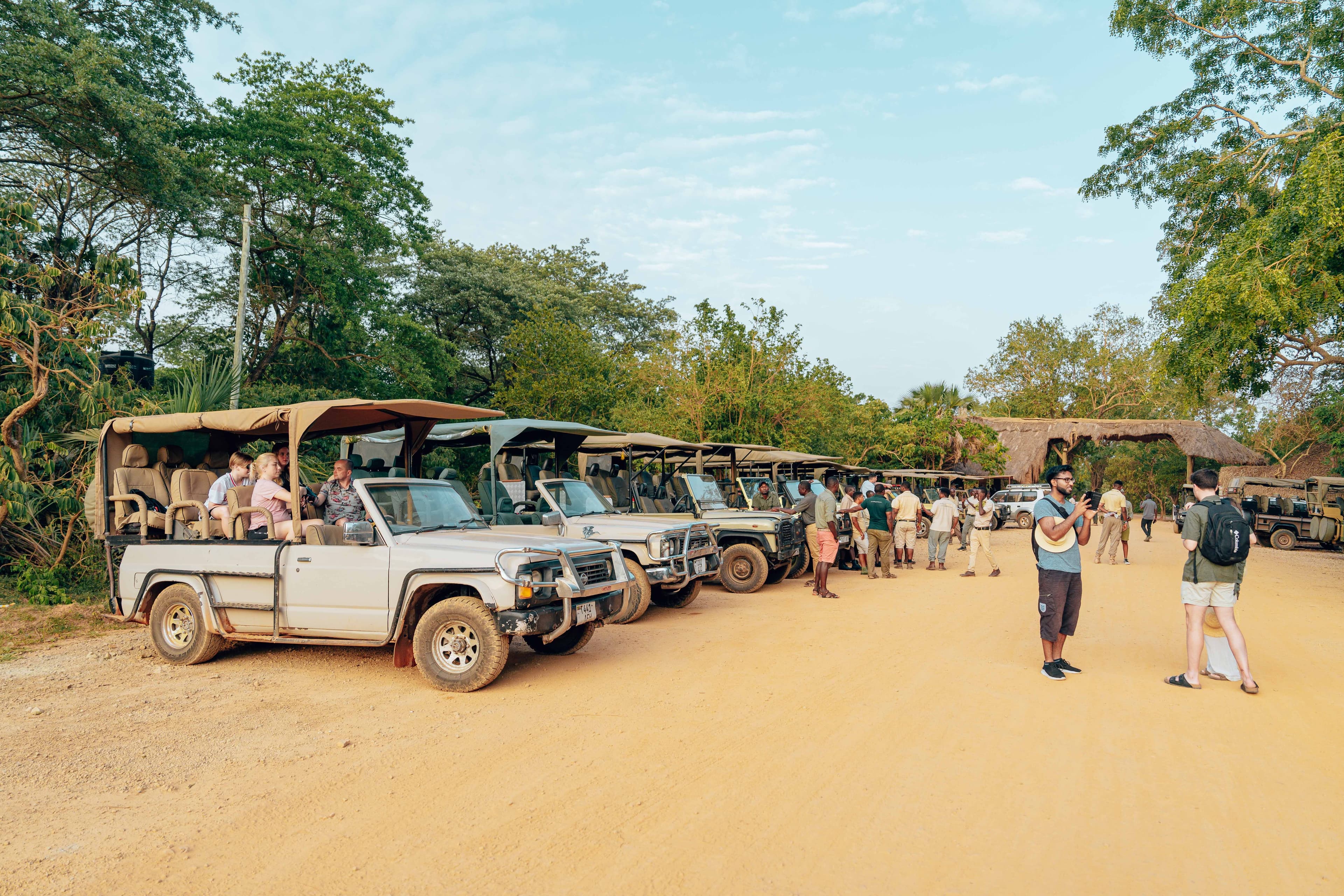
Vehicle type — a shared seat in a 20-seater Canter is the cheapest option; a seat in a 6-seater Gypsy costs more; booking a whole vehicle to yourself costs the most.
Nationality — foreign nationals pay a higher park-entry component than Indian citizens, so the same seat costs more for an overseas visitor.
Season and day — peak season (October to March), weekends, and holiday periods like Diwali, Christmas and New Year command the highest rates, and tatkal (last-minute) seats can cost close to double the standard fare.
Single seat vs full vehicle — families and groups often book an entire Gypsy or Canter, which is priced per vehicle rather than per seat.
Canter vs Gypsy — The Price Gap
The core trade-off is between the cheaper shared Canter and the pricier, more flexible Gypsy. A Gypsy seat carries a clear premium for the exclusivity of six seats instead of twenty and a dedicated naturalist. For a full breakdown of how the two vehicles compare on cost, comfort, photography and sighting odds, see our dedicated Canter vs Jeep safari guide.
What's Included in the Fare
A standard safari permit fare bundles several charges: the park entry fee, the vehicle charge, the mandatory government-licensed naturalist guide, and applicable taxes. When you book through an authorised operator or hotel rather than the government portal directly, their fare will usually also include transfers to and from the forest gate and a service charge for handling the booking.
Ways to Book and How They Affect Cost
Official portal — booking directly through the Rajasthan Forest Department portal gives you the base government rate with no markup, but it requires logging in the moment the 90-day window opens and competing for limited seats.
Authorised operator or hotel — convenient and more reliable for peak dates, but expect a service premium on top of the government fare in exchange for handling the booking process and transfers.
Tatkal / current booking — last-minute seats released close to the date, often at a significantly higher price. A fallback, not a strategy.
How Many Safaris Should You Budget For?
Serious tiger enthusiasts rarely do just one safari. Because sightings are never guaranteed, many visitors book both a morning and an evening safari slot — sometimes across two or three days and multiple zones — to maximise their chances. Budget for at least two to four safaris rather than one when planning a dedicated wildlife trip.
Frequently Asked Questions
Is a Canter or Gypsy cheaper in Ranthambore?
A shared seat in a 20-seater Canter is the cheaper option; a seat in a 6-seater Gypsy costs more per person but offers a more flexible, intimate experience. Booking a whole vehicle costs the most.
Do foreigners pay more for a Ranthambore safari?
Yes. Foreign nationals pay a higher park-entry component than Indian citizens, so the same seat or vehicle costs more for overseas visitors.
Why are last-minute (tatkal) safari prices so high?
Tatkal seats are a limited last-minute release and are priced at a premium — often close to double the standard fare — especially on weekends and during peak holiday periods. Booking at the 90-day window is far cheaper.
Similar Articles

Mobile Phone Ban in Ranthambore Safari: 2026 Rules Explained
Mobile phones are banned on Ranthambore safaris under a Nov 2025 Supreme Court order. See what's prohibited, whether cameras are allowed, and how gate lockers work.
Is Jawai a National Park? Jawai Leopard Safari Guide
Is Jawai a national park? No — it's a wild conservation landscape between Udaipur and Jodhpur where leopards roam free. Here's what that means for your safari.
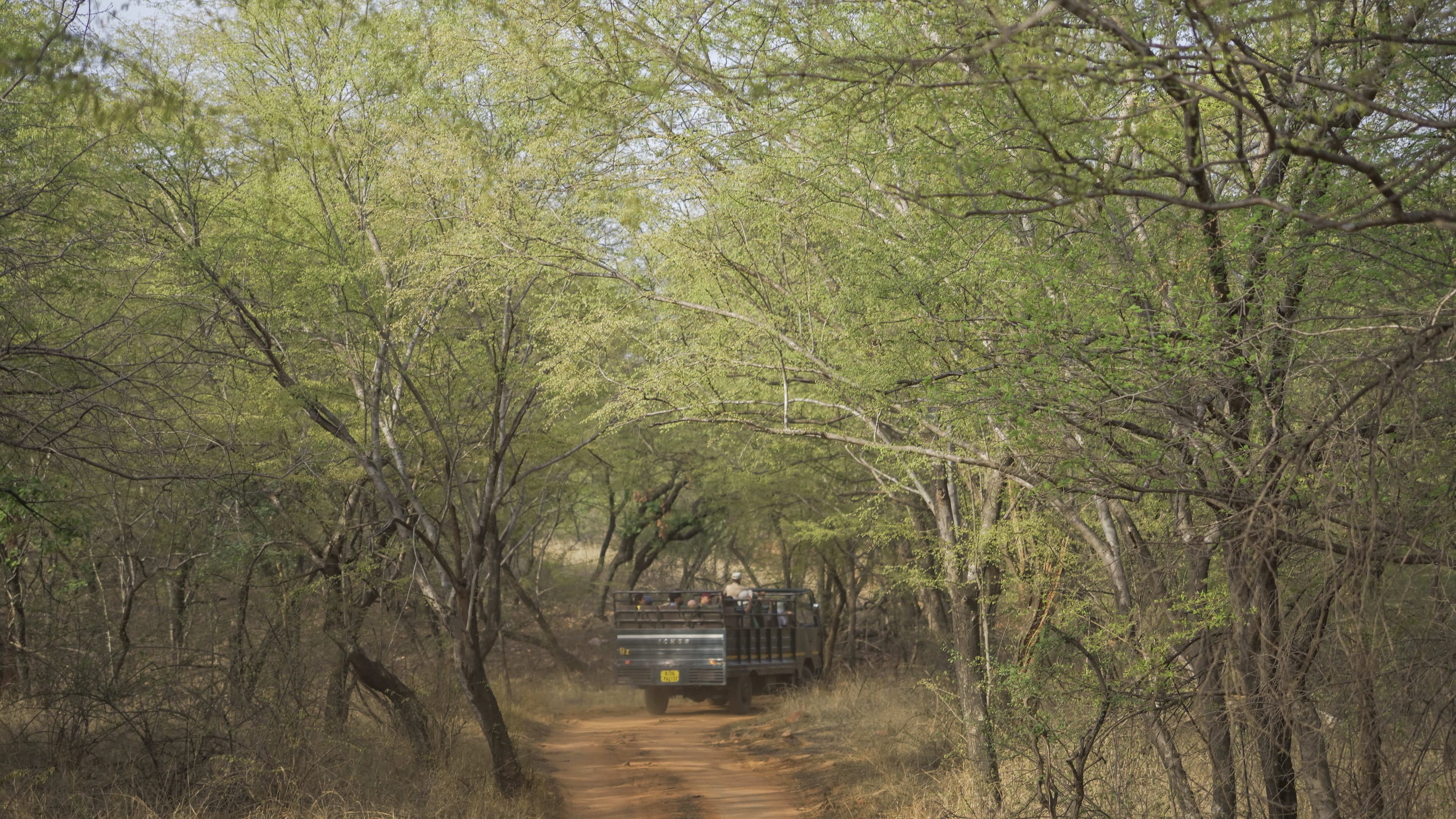
Canter vs Jeep Safari in Ranthambore: Which Should You Book?
Canter or Gypsy jeep? Here's how the two Ranthambore safari vehicles actually compare on tiger-sighting odds, cost, comfort, and booking availability.
Ranthambore Safari Booking — How to Book, Permits & Tips
Safari permits for Ranthambore are limited and allocated by lottery. Learn how to book online, the best time to book, vehicle types, and expert tips to secure your Ranthambore tiger safari.
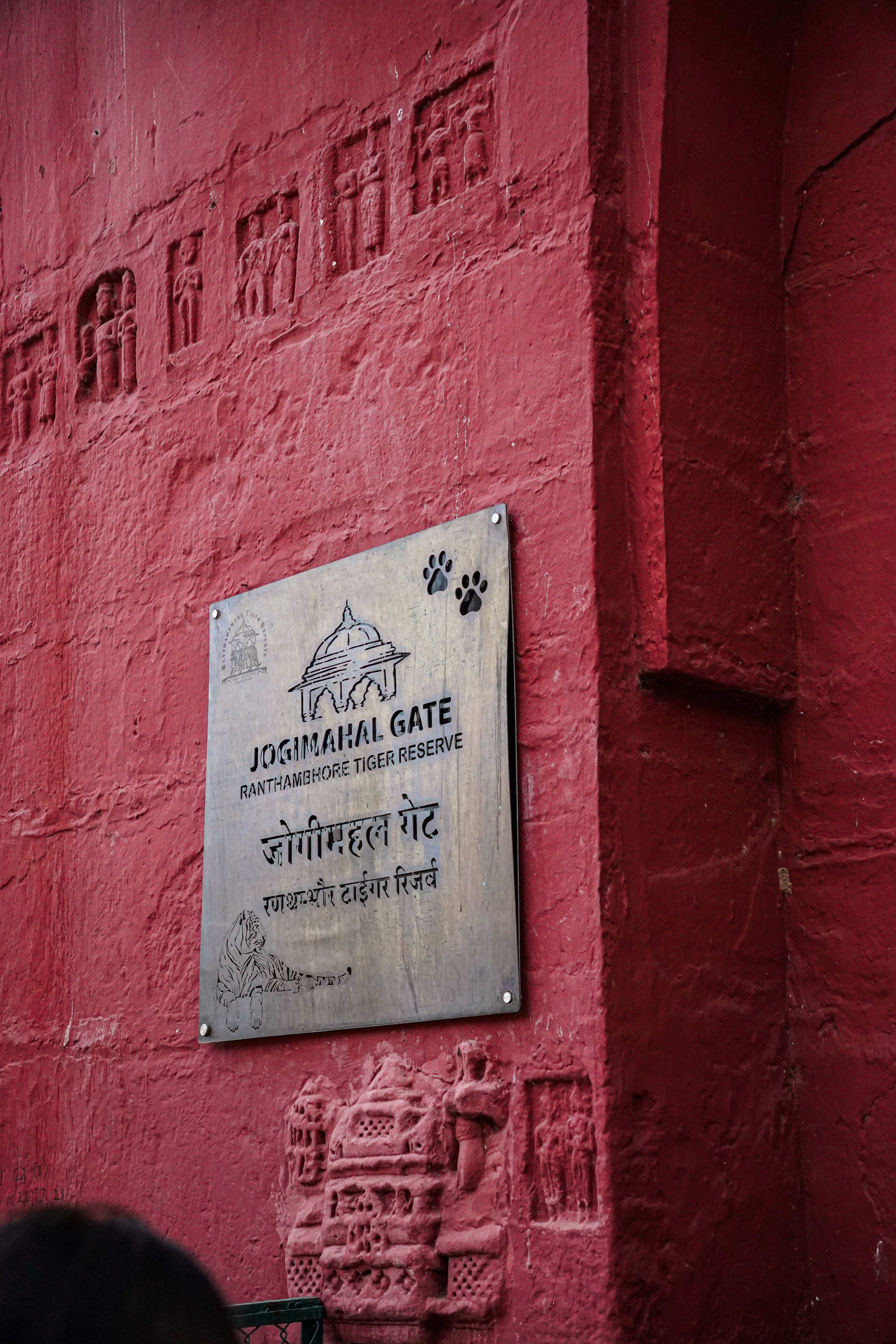
Ranthambore Safari Zones — Complete Guide to All 10 Zones
Ranthambore is divided into 10 safari zones. Zones 1–5 are core tiger territory; zones 6–10 offer untouched landscapes. This guide helps you choose the best zone for your Ranthambore safari.