The caracal is the rarest and least-seen wild cat in Ranthambore — a long-legged, russet feline crowned with dramatic black ear tufts, so elusive that many veteran safari guides have logged only a handful of sightings in a lifetime of drives. It is also one of the best pieces of good news in the park. While the caracal is vanishing across most of India, its numbers inside Ranthambore Tiger Reserve are quietly climbing, making this the single most important stronghold for the species left in the country.
A Growing Population in Ranthambore
This is the headline that surprises even wildlife enthusiasts: the caracal is one of the few Indian populations moving in the right direction. Forest officials report that where Ranthambore once held only eight to ten caracals, camera-trap surveys now put the figure at around 35 — roughly two-thirds of Rajasthan's estimated 50–60 animals, and the largest concentration anywhere in India. A 2025 camera-trap record, widely covered in the national press, renewed conservation attention on the species and prompted a dedicated tracking survey across Rajasthan's tiger reserves.
The recovery mirrors the park's wider success. The same protection, prey base and habitat management that rebuilt the tiger population have given the caracal room to breed — the reserve's rocky escarpments and scrub-grassland edges are near-perfect caracal country, rich in the birds, hares and rodents it hunts.
Why the Caracal Is So Rare in India
Nationally, the picture is stark. Conservationists estimate that fewer than 50 caracals may survive in all of India, and the cat is listed on Schedule I of the Wildlife (Protection) Act — the highest level of legal protection. Once found across a broad swathe of northern and central India, it has been reduced to a few fragmented pockets, chiefly Ranthambore and the surrounding Rajasthan landscape, with scattered records from Kutch in Gujarat and parts of Madhya Pradesh. Habitat loss, the conversion of scrubland to farmland, and the cat's naturally low densities have pushed it to the brink. That is precisely why Ranthambore's growing group matters so much: it may be the species' best chance of survival in the country.
How to Recognise a Caracal
The caracal (Caracal caracal) is unmistakable once you know it. It is medium-sized — larger than a domestic cat, far smaller than a leopard — with a uniform reddish-tan coat, a short tail, and powerful hind legs. Its signature feature is a pair of long, tapering black ear tufts, up to five centimetres, which give the cat its name (from the Turkish karakulak, "black ear"). Those hind legs make it an extraordinary athlete: a caracal can leap over three metres — around eleven feet — straight up to swat birds out of the air, a hunting technique that once made it a prized companion of Indian and Persian royalty.
The Cat of Kings
The caracal has a deep history in this region. Mughal and Rajput nobles kept trained caracals for a sport called "siyah gosh" hunting — the Persian name for the cat, meaning "black ear" — releasing them into flocks of pigeons and betting on how many birds a single cat could bring down in one leaping burst. Emperor Akbar, who besieged the very Ranthambore Fort at the park's heart, is recorded as having kept caracals in his menagerie. Today the same landscape that once staged those royal hunts is the animal's last real refuge — a quiet piece of poetic justice.
Can You See a Caracal on Safari?
Honestly? It would be the sighting of a lifetime, and you should not count on it — researchers estimate that fewer than one in a hundred safari-goers ever spots one. Caracals are largely crepuscular and nocturnal, hunt alone, and keep to the drier, rockier fringes of the park. Your best, if still slim, chances come on the first and last light of a drive in the wilder peripheral zones 6 to 10, where broken terrain and open scrub favour the cat. Treat a caracal as a lottery win on top of a trip built around tigers, leopards and the park's other wildlife — and keep your camera ready in the golden hour just in case.
If seeing India's rarest cat is on your wishlist, our team can build a safari plan weighted toward the caracal's favoured zones and the best light for it — get in touch to plan your drives.
Frequently Asked Questions
How many caracals are in Ranthambore?
Forest-department camera-trap surveys estimate around 35 caracals in Ranthambore Tiger Reserve — up from just eight to ten in earlier years, and the largest single population in India. Rajasthan as a whole holds an estimated 50–60.
Is the caracal the rarest cat in India?
It is among the rarest. Conservationists believe fewer than 50 caracals survive nationwide, and the species is listed on Schedule I of the Wildlife (Protection) Act. Ranthambore is its most important remaining stronghold.
What does a caracal look like?
A medium-sized wild cat with a uniform reddish-tan coat, a short tail, powerful hind legs, and distinctive long black tufts on its ears. It can leap around eleven feet into the air to catch birds.
What are the chances of seeing a caracal on safari?
Very low — researchers estimate fewer than one in a hundred visitors ever sees one. The best odds are at first and last light in the wilder peripheral zones (6–10), but a caracal sighting should be treated as a rare bonus, not an expectation.
Similar Articles
How Many Tigers Are in Ranthambore? Population 2026
How many tigers are in Ranthambore? Around 80 in the reserve as of 2025, with 55–60 in the safari zones. Why quoted counts differ — and your sighting odds.
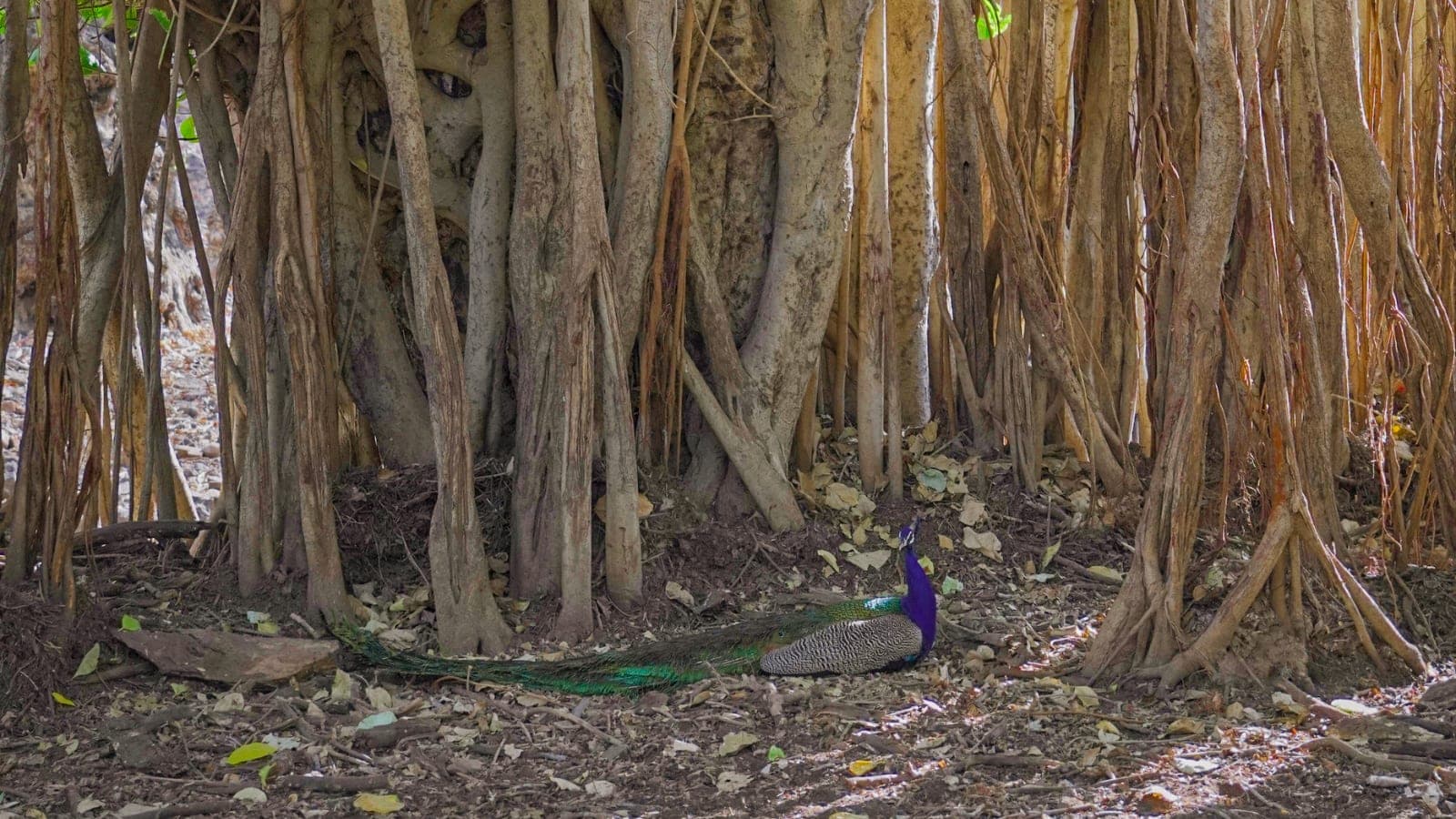
Animals of Ranthambore National Park: Full Wildlife List
Full animals list for Ranthambore National Park: tigers, leopards, sloth bears, hyenas, crocodiles and 40+ mammal species — plus the zones to see them in.
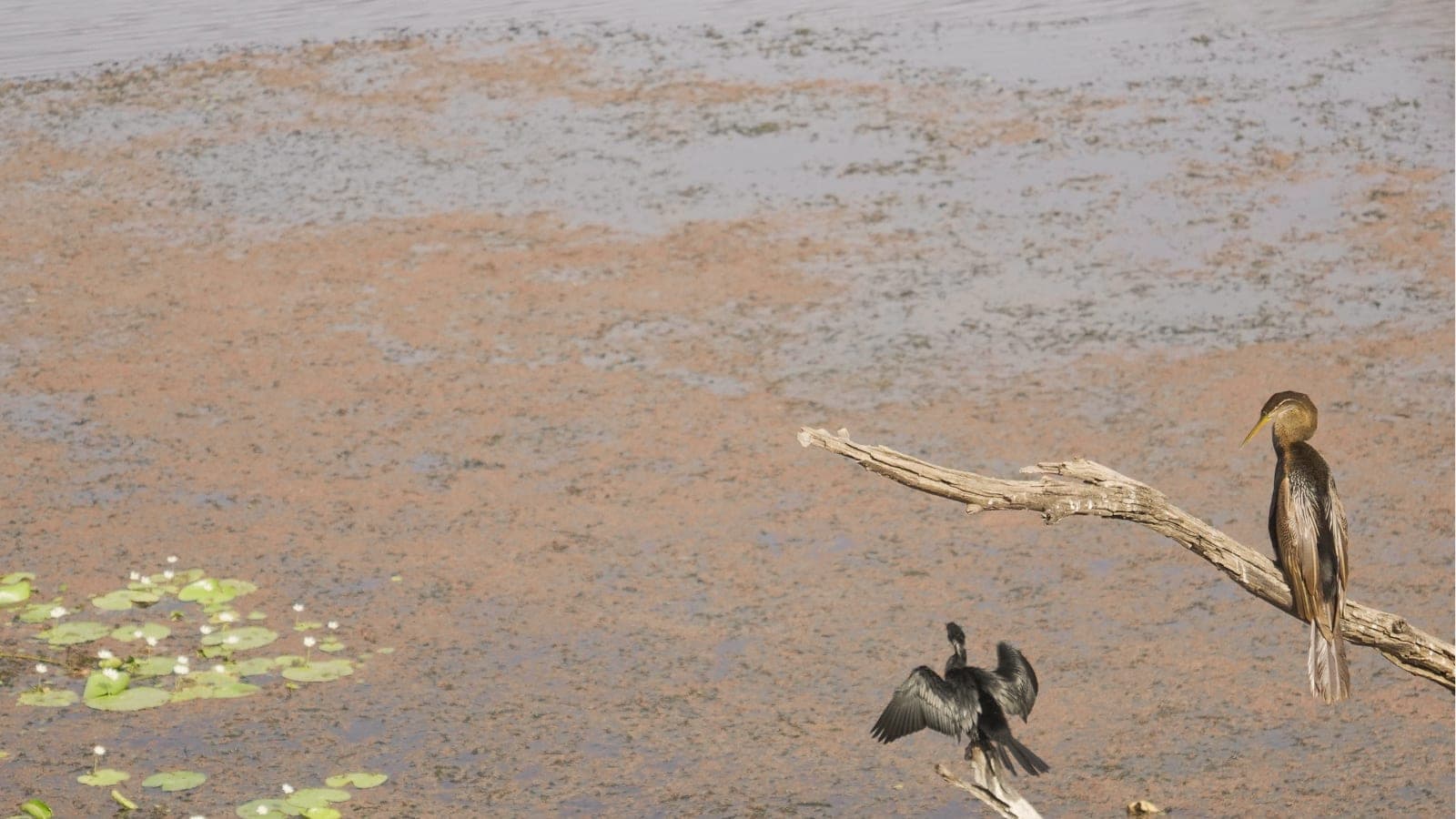
Birds of Ranthambore: Species, Best Zones & Season
Birds of Ranthambore: 320+ recorded species, from painted storks to crested serpent eagles. The best zones, best season and what to look for on safari.
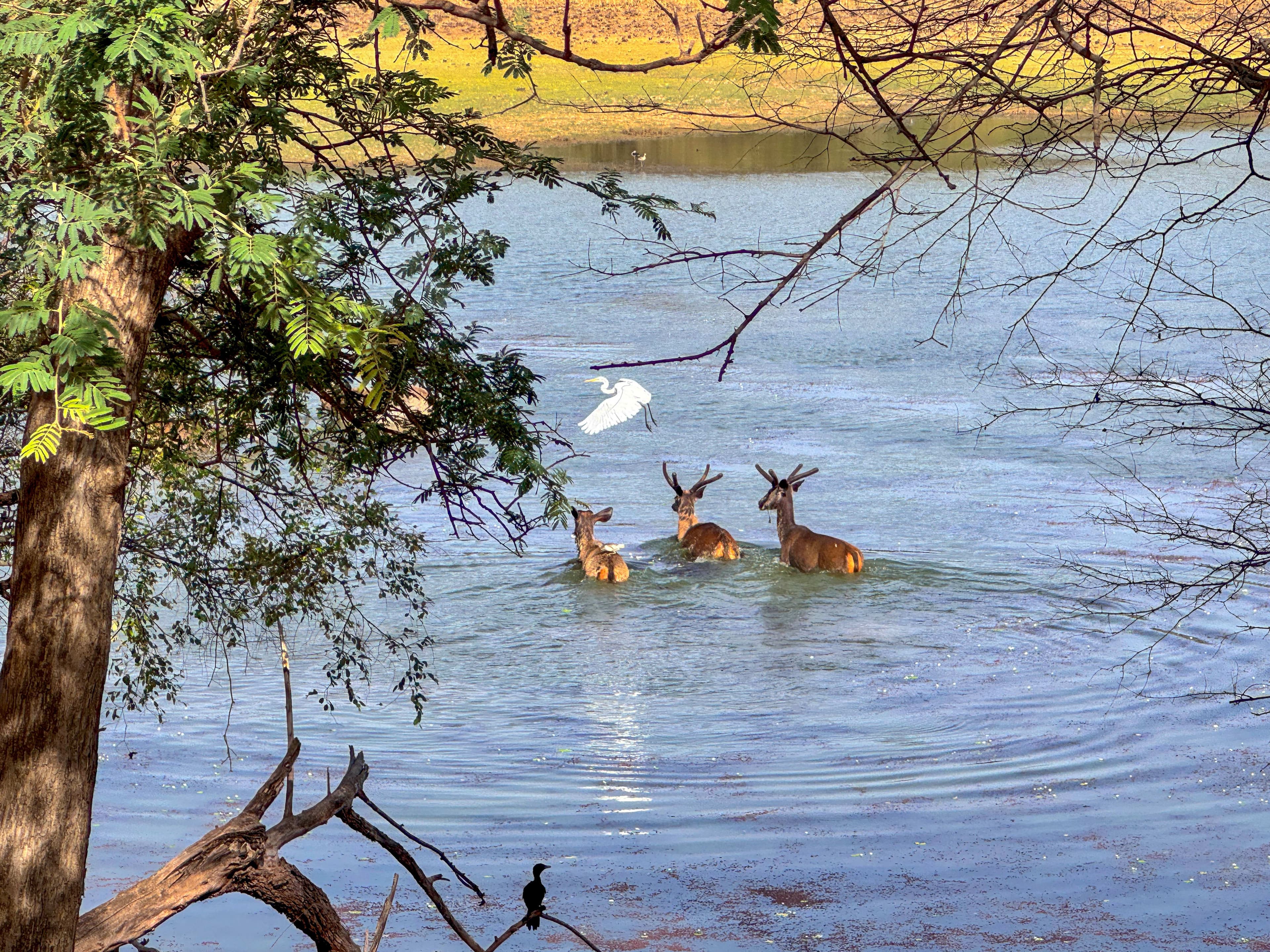
Flora of Ranthambore: Trees & Plants of the Dry Forest
Flora of Ranthambore National Park: Dhok forests, the giant banyan at Jogi Mahal, flame-of-the-forest blooms and the plants that keep its tigers hunting.

History of Ranthambore National Park: Full Timeline
History of Ranthambore National Park — from Rajput fort and royal tiger hunts to Project Tiger in 1973, the 2005 poaching crisis and today's recovery.