The whole reason the Chambal River Safari exists is the extraordinary concentration of rare aquatic life in the National Chambal Gharial Sanctuary. This is not a tiger landscape — it is a river ecosystem, home to some of the most endangered freshwater species on earth. Here is what you are actually looking for from the boat.
The Gharial — Star of the Chambal
The gharial is a critically endangered, fish-eating crocodilian instantly recognisable by its long, thin snout lined with interlocking teeth, and — in mature males — a bulbous growth on the tip of the nose called a ghara. Once found across the rivers of the subcontinent, gharials collapsed to near-extinction in the 20th century. The Chambal is now their single most important stronghold, holding one of the largest breeding populations left in the wild. On a winter safari you will often see them hauled out in numbers on the sandbanks, basking in the sun.
The Ganges River Dolphin
India's national aquatic animal, the Ganges river dolphin, is an endangered freshwater dolphin that is functionally blind, navigating and hunting entirely by echolocation in the muddy river. It surfaces only briefly, so sightings take patience and a little luck — but glimpsing one roll through the water is one of the most special moments the Chambal offers.
Mugger Crocodiles and Turtles
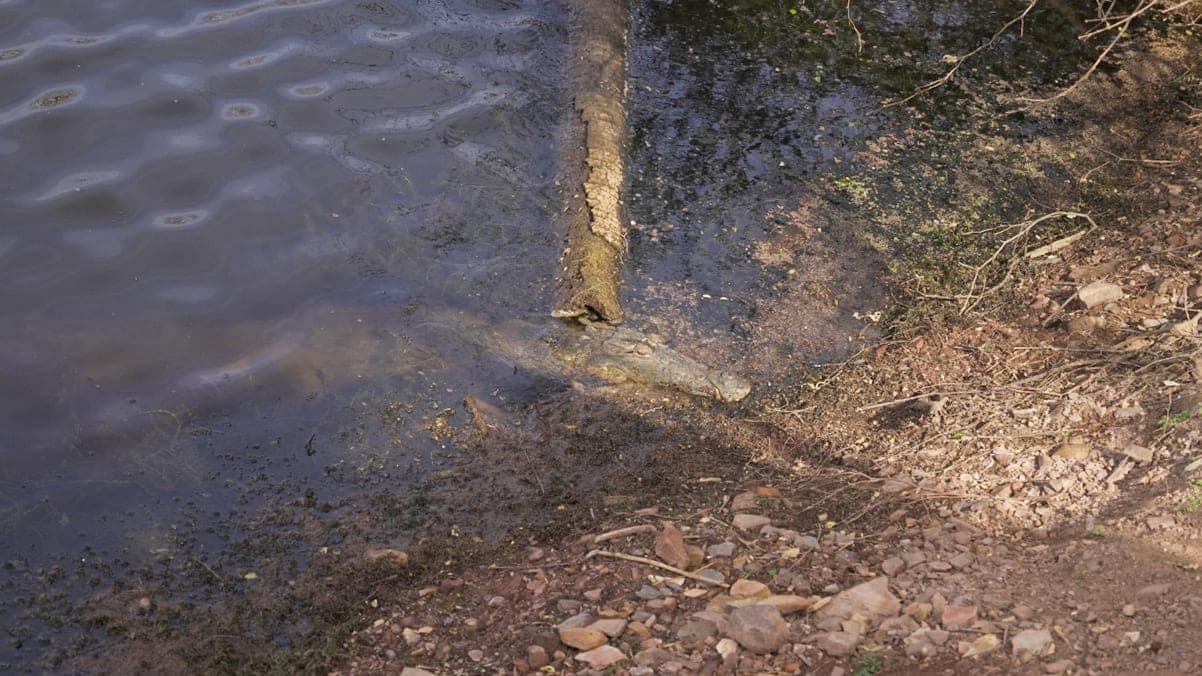
Sharing the river with the gharial is the mugger, or marsh crocodile — the same broad-snouted species found in Ranthambore's lakes. The contrast between the slender fish-eating gharial and the heavier, generalist mugger on the same sandbank is one of the safari's most instructive sights. The river is also a refuge for the critically endangered red-crowned roof turtle and other freshwater turtles.
A Birdwatcher's River
With over 300 recorded species, the Chambal rivals Ranthambore itself for birding. The signature bird is the Indian Skimmer — an elegant black-and-orange waterbird that nests in colonies on the Chambal's sandbars and is increasingly hard to find elsewhere in India. Winter also brings bar-headed geese, sarus cranes, small pratincoles, lapwings, and a host of ducks and waders.
Why the Chambal Is So Rich
The Chambal is often described as one of India's cleanest rivers. Unusually for the northern plains, it was never heavily dammed or industrialised along this stretch, and its remote, ravine-lined banks kept human pressure low. That accident of history left it as a last refuge for species that have disappeared from the Ganges and Yamuna — which is exactly why the sanctuary, and the carefully managed boat safari, matter so much.
Frequently Asked Questions
What is a gharial and where can I see one?
The gharial is a critically endangered, fish-eating crocodilian with a long, thin snout. The National Chambal Sanctuary near Ranthambore holds one of the largest wild populations left, and a Palighat boat safari is one of the most reliable places on earth to see them.
Can you see river dolphins on the Chambal safari?
Yes, though sightings aren't guaranteed. The endangered Ganges river dolphin lives in the deeper channels and surfaces only briefly, so spotting one takes patience — but it's a genuine highlight when it happens.
What birds can you see on the Chambal?
Over 300 species, headlined by the increasingly rare Indian Skimmer, which nests on the river's sandbars. Winter also brings bar-headed geese, sarus cranes, pratincoles and many waders.
Similar Articles
Chambal Safari Cost — Boat Fare, Entry Fee & Booking
How much does the Chambal boat safari near Ranthambore cost? A clear breakdown of the sanctuary entry fee, per-boat fare, Indian vs foreigner rates, what's included, and how to book Palighat in advance.
Chambal River Safari from Ranthambore — Complete Guide
A boat safari on the Chambal River, an hour from Ranthambore, offers critically endangered gharials, Ganges river dolphins and 300+ birds. Your complete guide to Palighat: wildlife, timings, cost, best time and booking.