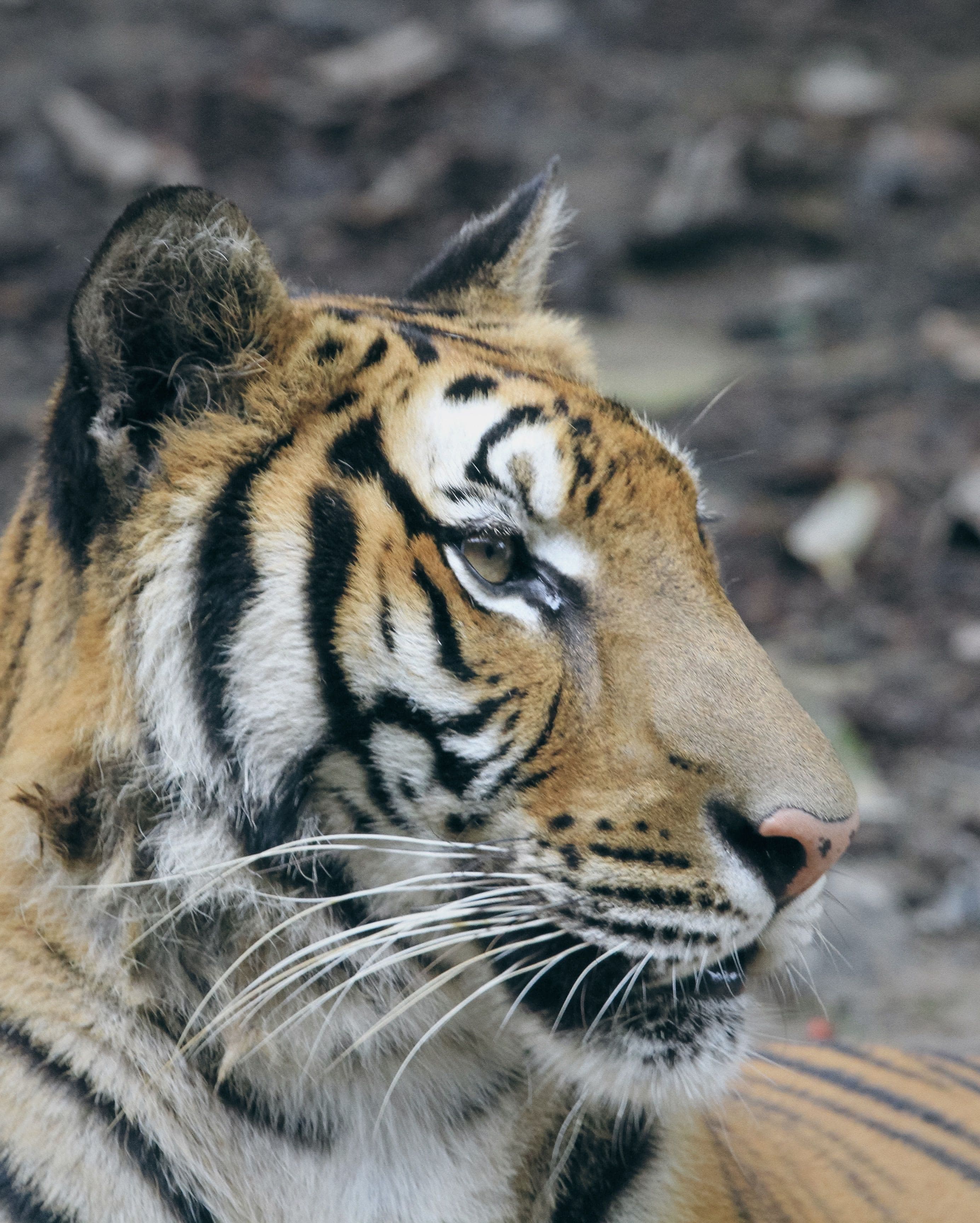
Ranthambore's tiger stories are usually about mothers and cubs, or males and territory. Laila, coded T-41, gave visitors something rarer and more romantic: a pair. Alongside the male Romeo (T-6), she formed one of the reserve's most-watched couples in the Berda and Semli valley country, and the two names together — Laila and Romeo, drawn from the great tragic lovers of Persian and English legend — became a small piece of Ranthambore folklore.
Daughter of the Berda Female
Laila was one of two cubs in the first litter of the Berda female (T-4); her sibling was the male T-40. She grew up in and around the Berda valley, on the reserve's central-eastern side, and settled into territory that overlapped the range of the dominant local male, T-6, better known as Romeo. In tiger society males and females keep largely separate lives outside the brief mating window, so a tigress and a male seen repeatedly together — resting near each other, moving the same valleys — is unusual enough that guides remember it for years. Laila and Romeo were exactly that: a recurring, reliable pairing in the Berda-Semli country.
Cubs and Continuity
Laila gave her first litter — a single female — in 2011, fathered by Romeo. Later she is credited with the cubs T-101 and T-102, though the documentation on that later litter is looser and we mark it accordingly. Her nickname in some records, "Junglee" ("of the jungle," or "wild one"), captures the reputation she had as a true forest tigress of the interior valleys rather than a lakeside regular.
The Berda valley she called home is part of the wilder, less-trafficked interior of the reserve — country that shows a different Ranthambore from the fort-and-lakes postcard, and where the tigers tend to be watched by camera trap as much as by tourist.
A Note on the Record
Laila's line is one of the several Ranthambore branches where popular tiger-list websites disagree with one another over parentage and cub attributions. On our tiger family tree we anchor what is well-sourced — her descent from the Berda female (T-4), her sibling T-40, her pairing with Romeo (T-6), the 2011 litter — and flag the looser links, such as the T-101 and T-102 attribution, rather than presenting uncertain claims as settled fact. It is the same discipline we apply across the tree, from Packman's true mother to Aurangzeb's supposed cubs.
Frequently Asked Questions
Who were Laila's parents?
She was a daughter of the Berda female (T-4), from that tigress's first litter; her sibling was the male T-40.
Who was Romeo (T-6)?
A dominant male of the Berda and Semli valley area whose range overlapped Laila's. The two were seen together often enough to become one of Ranthambore's famous "pairs," and Romeo fathered her first litter.
Did Laila have cubs?
Yes — a female in her first litter in 2011, fathered by Romeo. She is also credited in some records with the later cubs T-101 and T-102, though that attribution is less firmly documented.
Where was Laila's territory?
The Berda and Semli valleys — part of Ranthambore's central-eastern interior, wilder and less visited than the main lake tourism zones.
Similar Articles
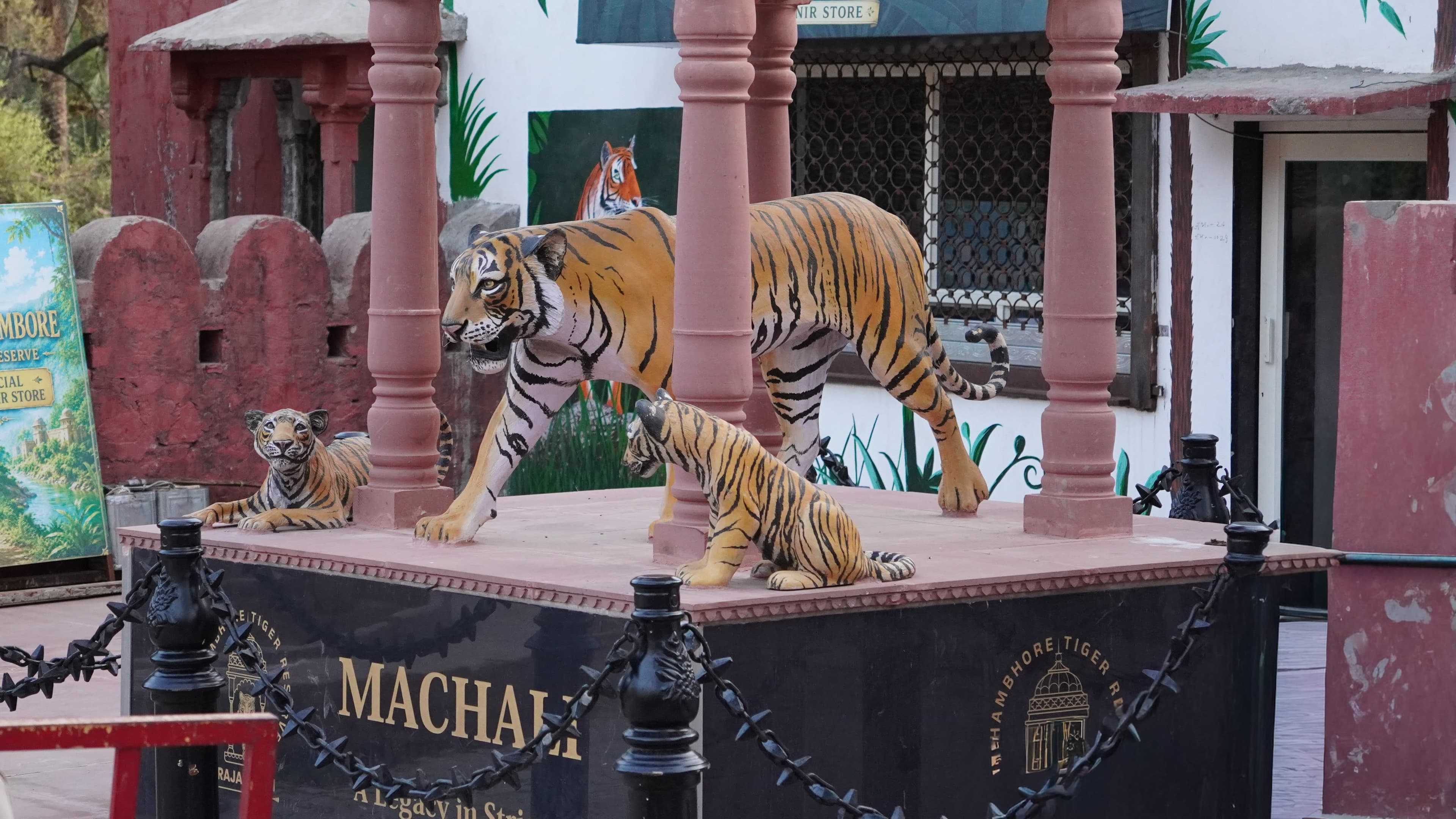
Machli (T-16) — The Tiger Queen of Ranthambore
Discover the captivating story of Machhli (T-16), Ranthambore’s most famous tigress. Known as the "Crocodile Killer" and "Queen of the Jungle," her fierce spirit, legendary battles, and extraordinary legacy redefined the wilderness of India.
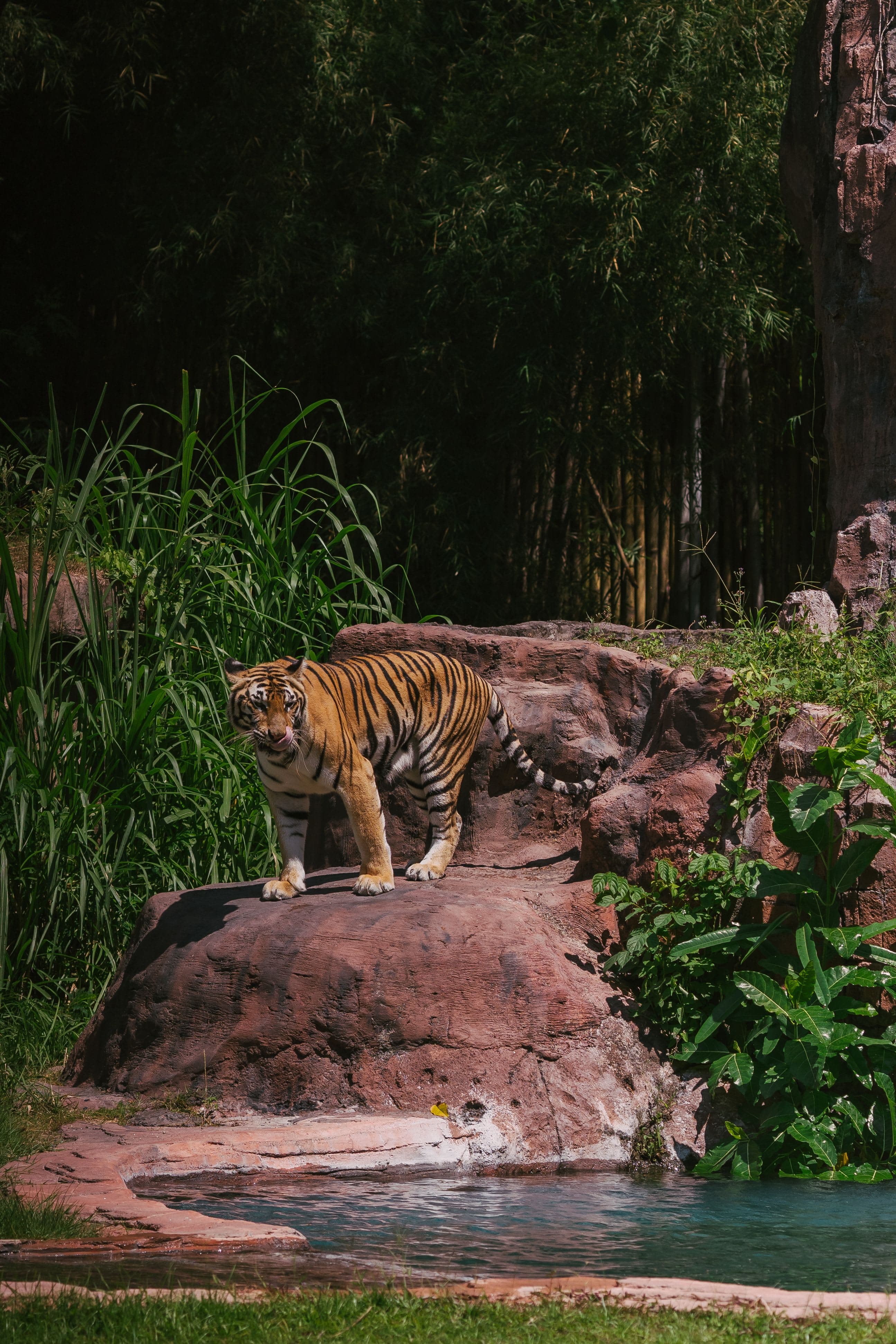
Is really Ustad (T-24) a Man-Eater?
Was Ustad (T-24) truly India's most feared man-eater, or was he a wild tiger caught in the growing conflict between greedy human and nature? Unearth the story behind one of Ranthambore's most controversial legends.
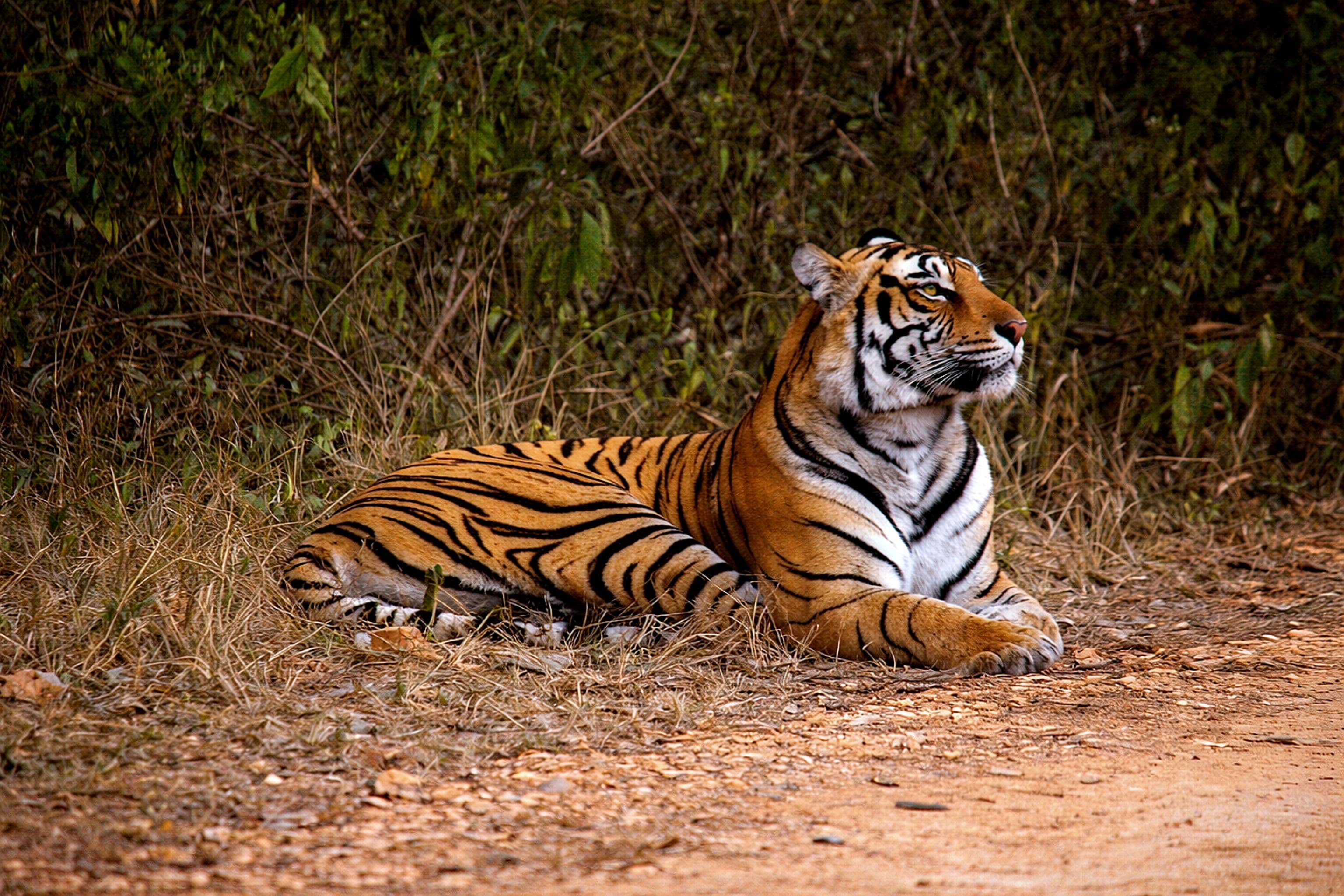
Aurangzeb (T-57) — The Male Behind Ranthambore's Zone 1 Cubs
Aurangzeb (T-57), also recorded as Singhasth, was a dominant Ranthambore male who fathered Noor's 2016 litter — including Sultana. He did not, despite the myth, father Riddhi and Siddhi.
Ganesh (T-120) 'Charger' — The King of Ranthambore's Lakes
Ganesh (T-120), the mock-charging male of Zones 3–4, is Riddhi's mate, father of Shubh and the 2026 cubs — and, through his mother Chanda, a great-great-grandson of Machhli himself.
Husn Ara (T-30) — Matriarch of the Gilai Sagar Line
Husn Ara (T-30), a prolific tigress of the Gilai Sagar dynasty, mothered a string of well-known Ranthambore tigers including Hamir (T-33), Fateh (T-42) and Surzan (T-43).