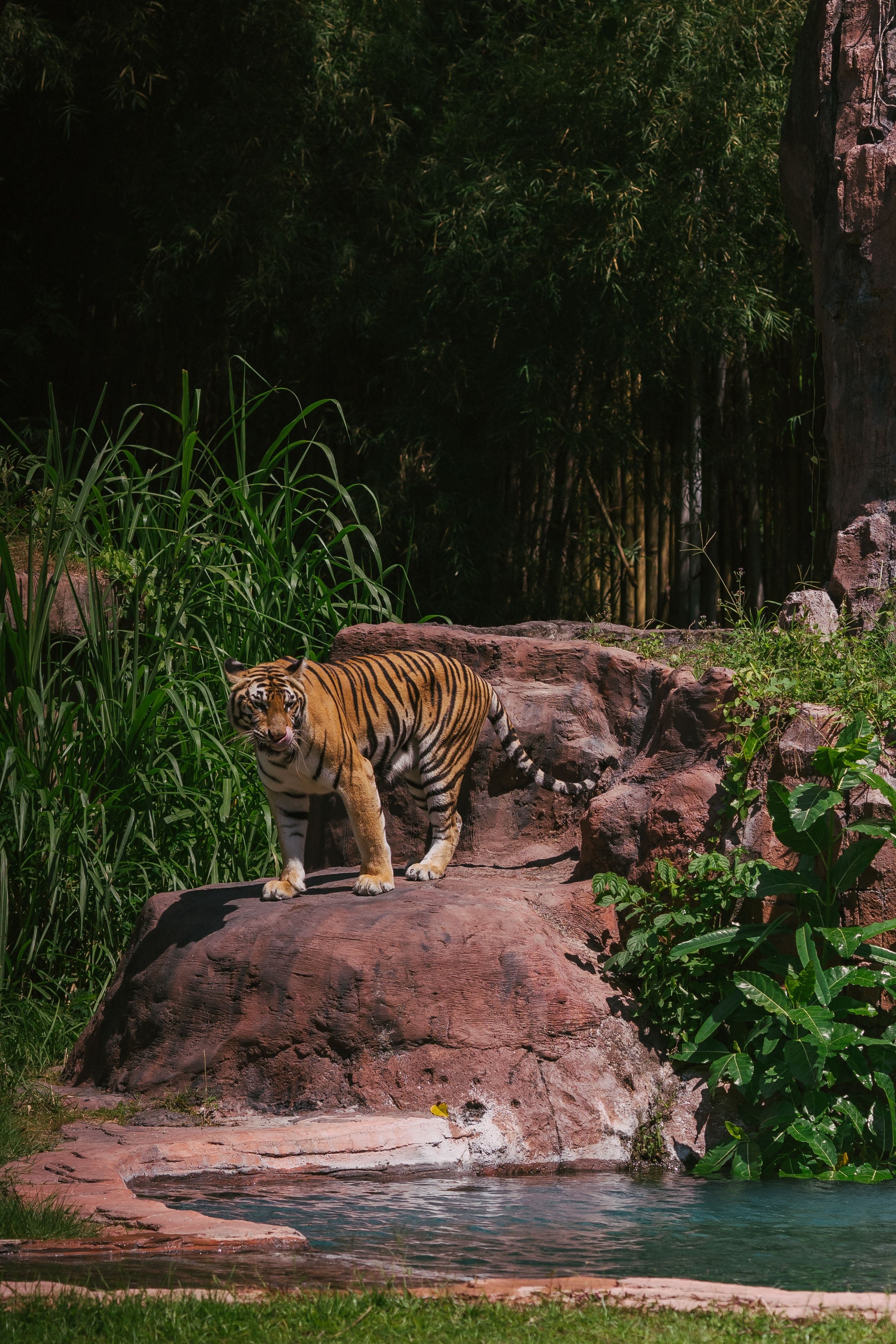
Few Ranthambore tigers were as adored in cubhood as Sultan, coded T-72 — the first son of Noor (T-39), fathered by the infamous Ustad (T-24). Born in May 2012 in Zone 1, he spent two years performing for delighted safari crowds alongside his mother, grew into a handsome young male, and then did what young males do: he walked off the map. Sultan has not been reliably traced since 2021. No body was ever found. In the park's records — and on our tiger family tree — he is simply "missing," Ranthambore's most famous unanswered question.
The Celebrity Cub of Zone 1
Noor raised Sultan alone in the Sultanpur and Amreshwar country of Zone 1 — single-cub litters are unusual, and all of a mother's attention on one cub made him uncommonly bold. Between 2012 and 2014 the pair were the park's biggest draw after Machhli: Sultan splashing through waterholes, stalking peafowl, riding his mother's patience in full view of the vehicles. His name — "emperor" — matched both his father's regal reputation and the swagger the little male showed early.
His father's story shadowed his own. In May 2015 Ustad was removed from the park to a Udaipur enclosure after fatal attacks on people — and by then Sultan had already separated from Noor, in January 2015, to begin the hard business of finding a territory.
Dispersal and Disappearance
Almost immediately, Sultan went missing for the first time — dropping out of sight in mid-2015 amid worried speculation, before being re-sighted on the reserve's eastern side. He had done something entirely natural and, for his fans, entirely inconvenient: dispersed out of the tourism zones into the vast Kailadevi Wildlife Sanctuary side of the reserve, across the Banas river, in the Karauli hills.
For several years he lived as a frontier tiger, tracked intermittently by camera traps in the Mandrayal and Kailadevi ranges. This is exactly the dispersal conservationists want — Ranthambore's core is saturated, and its future depends on tigers colonising the buffer landscapes, a process the National Tiger Conservation Authority monitors closely. But frontier country is thinly patrolled by definition, and the record of Sultan grew patchier each year.
By mid-2021, forest staff reported him untraced for six to seven months. He has not been reliably recorded since. He would now be approaching fifteen — old age for a wild male — and the likeliest truth is that he died somewhere in the Kailadevi hills, unseen. But no carcass, no pelt and no conclusive camera-trap image ever closed the case.
Sultan's Family Line
Sultan's disappearance did not end his mother's story. Noor went on raising litters in Zone 1 for years, and his half-sisters from her 2016 litter — Noori (T-105), T-106 and Sultana (T-107), whose name deliberately echoes his — dominate that side of the park today. Sultana's cubs now grow up on the same ground where Sultan once played for the cameras. Whether Sultan himself left descendants in the Kailadevi hills, no one can say; some unverified reports over the years attributed cubs there to him, and the family tree marks those claims for what they are.
Frequently Asked Questions
Is Sultan (T-72) dead or alive?
Officially untraced. He has had no reliable sighting since around 2021 in the Kailadevi ranges, and given his age he is widely presumed dead — but his death has never been confirmed.
Who were Sultan's parents?
Noor (T-39) and Ustad (T-24) — he was Noor's first litter, born May 2012, and the only cub in it.
Why did Sultan leave the tourism zones?
Territory. Young male tigers must disperse from their birth range or be driven out by dominant males. Sultan crossed to the Kailadevi side of the reserve, where camera-trap country begins and celebrity ends.
Could visitors ever see Sultan today?
No — even when last traced he lived far outside the safari zones. His mother's line, especially Sultana (T-107) in Zone 1, is where visitors connect with his family now. See our safari zones guide.
Similar Articles
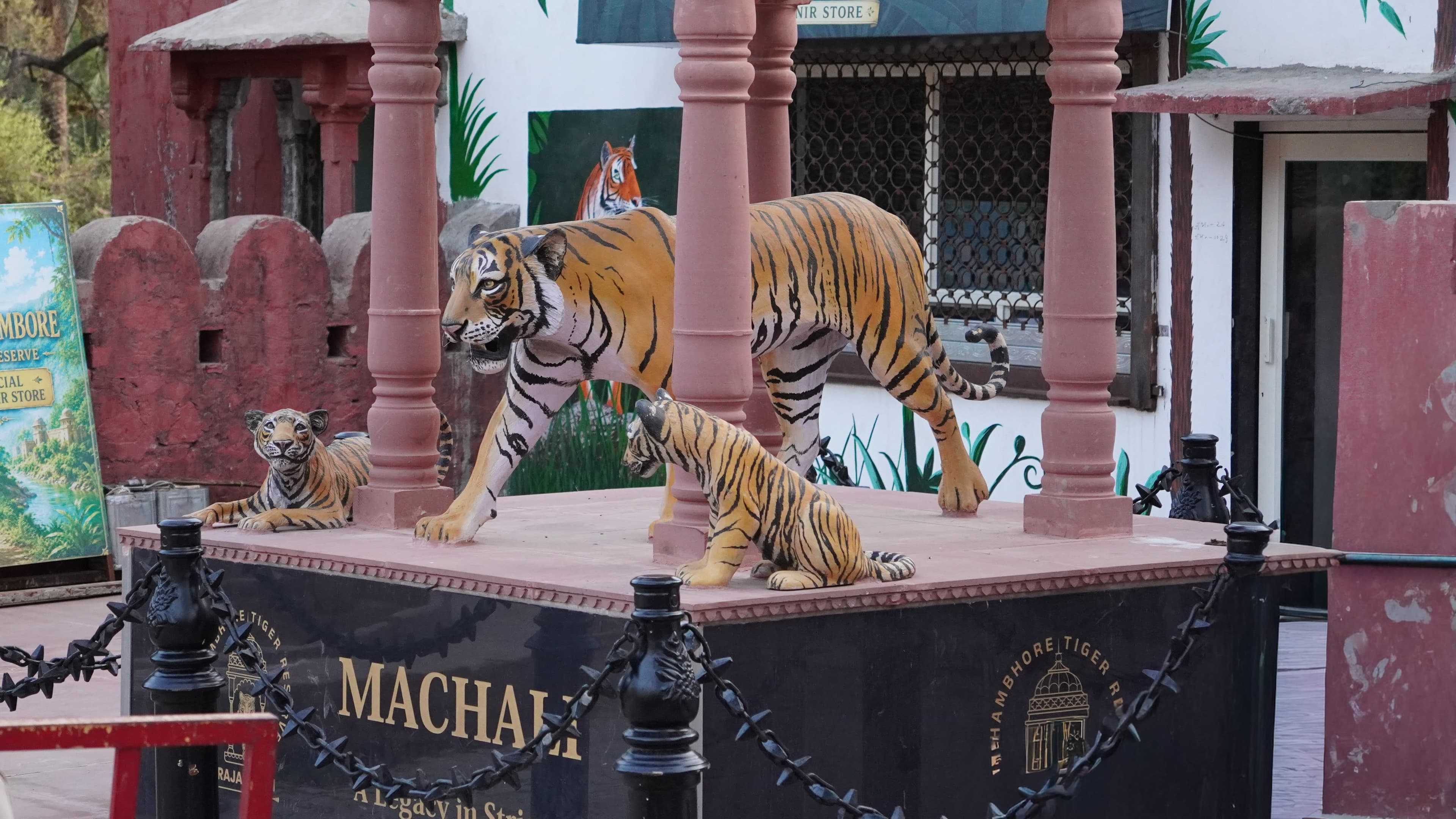
Machli (T-16) — The Tiger Queen of Ranthambore
Discover the captivating story of Machhli (T-16), Ranthambore’s most famous tigress. Known as the "Crocodile Killer" and "Queen of the Jungle," her fierce spirit, legendary battles, and extraordinary legacy redefined the wilderness of India.
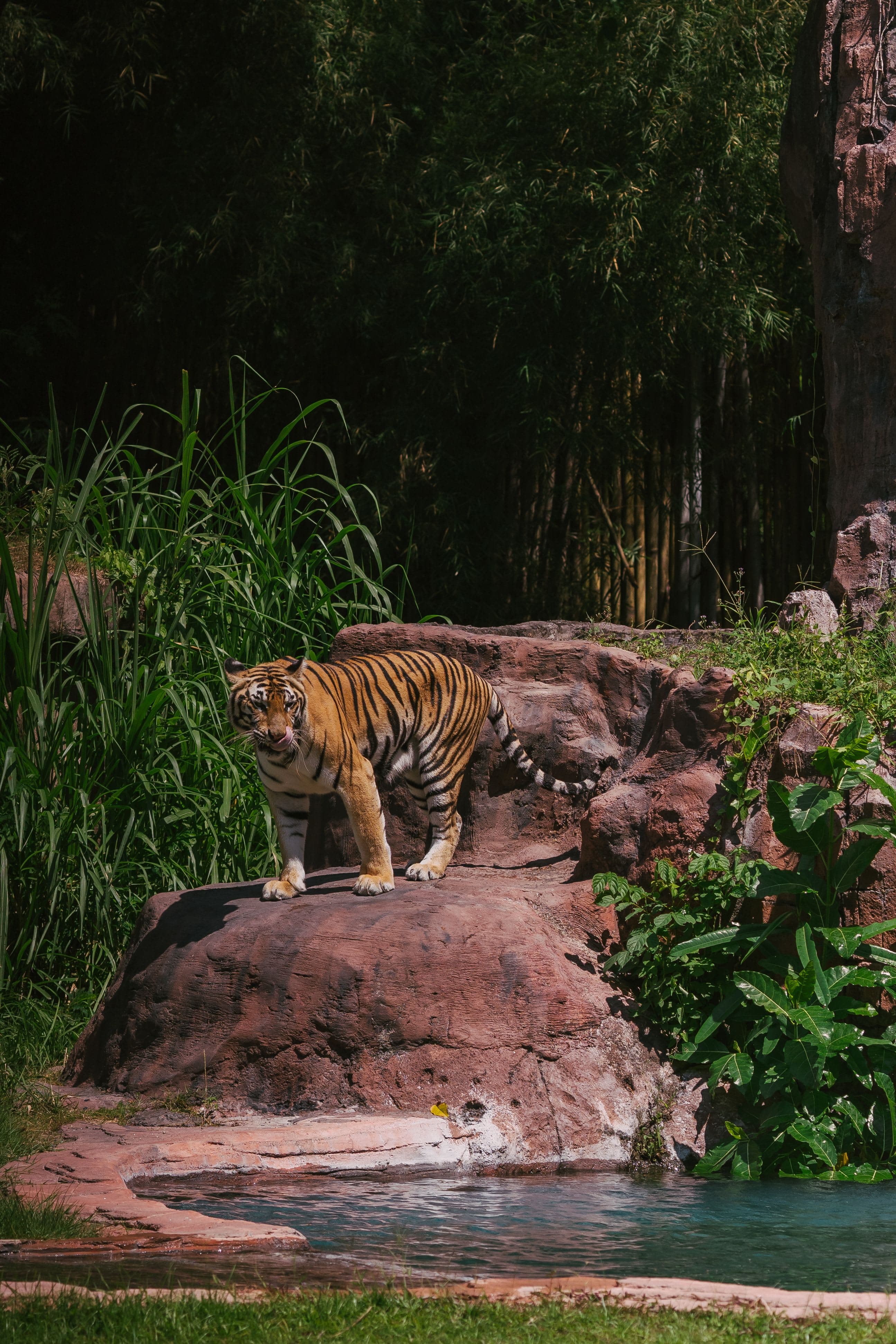
Is really Ustad (T-24) a Man-Eater?
Was Ustad (T-24) truly India's most feared man-eater, or was he a wild tiger caught in the growing conflict between greedy human and nature? Unearth the story behind one of Ranthambore's most controversial legends.
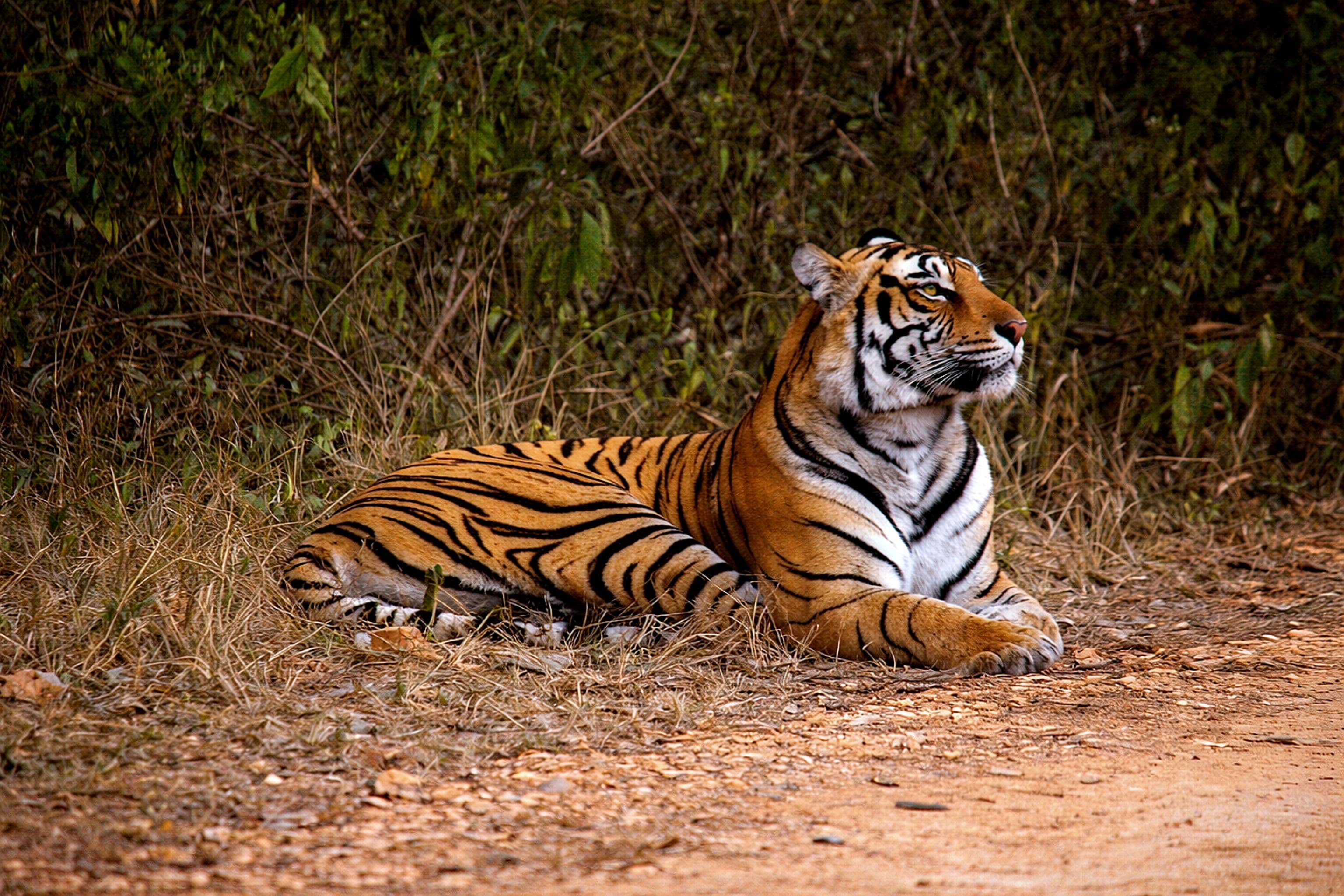
Aurangzeb (T-57) — The Male Behind Ranthambore's Zone 1 Cubs
Aurangzeb (T-57), also recorded as Singhasth, was a dominant Ranthambore male who fathered Noor's 2016 litter — including Sultana. He did not, despite the myth, father Riddhi and Siddhi.
Ganesh (T-120) 'Charger' — The King of Ranthambore's Lakes
Ganesh (T-120), the mock-charging male of Zones 3–4, is Riddhi's mate, father of Shubh and the 2026 cubs — and, through his mother Chanda, a great-great-grandson of Machhli himself.
Husn Ara (T-30) — Matriarch of the Gilai Sagar Line
Husn Ara (T-30), a prolific tigress of the Gilai Sagar dynasty, mothered a string of well-known Ranthambore tigers including Hamir (T-33), Fateh (T-42) and Surzan (T-43).