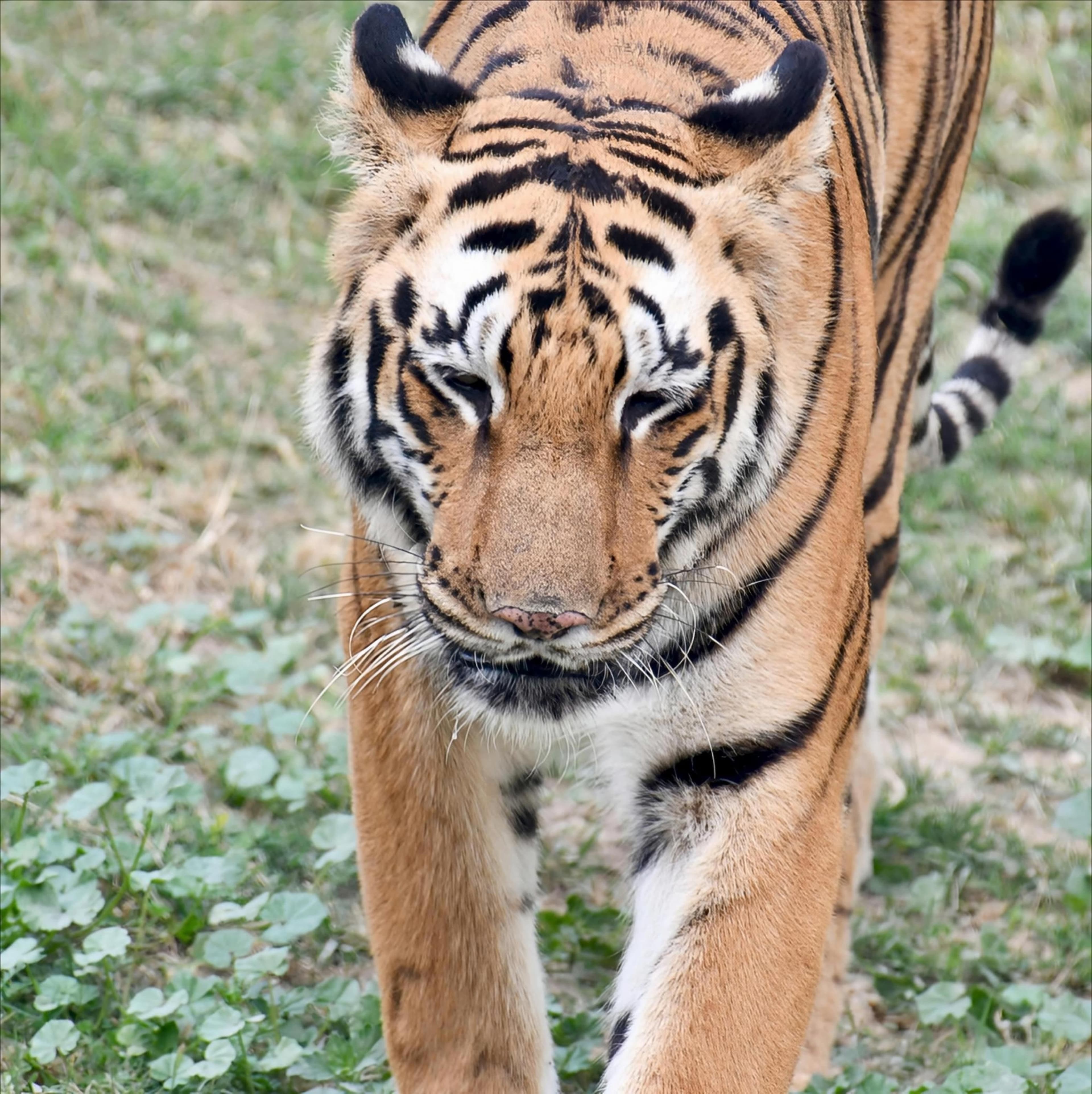
Among the many celebrated tigers of Ranthambore, few have been seen by more visitors — or raised more cubs — than Noor, the tigress officially designated T-39. While the lakeside dynasty of Machhli ruled the central zones, Noor built a parallel reign in the park's western sector, and for more than a decade she has been one of the most reliable and best-loved tigers to see on a Ranthambore safari. First sighted around 2008, she has become the matriarch of Zones 1, 2 and 6, a rare tigress who has remained visible and productive well into old age.
Territory — The Queen of the Western Zones
Noor's core range covers the western and north-western part of the reserve, taking in the open valleys, rocky ridges and seasonal waterholes around Sultanpur, Pani, Phoota Bandha, Soleshwar and Singh Dwar. Crucially, her territory includes parts of Zone 1 — the most iconic and accessible zone of all, wrapped around the great fort and the Padam Talao lake. Because Zone 1 is where so many first-time visitors begin, Noor has been photographed by more casual safari-goers than almost any other tiger in the park, and her calm, confident presence around vehicles has made her a favourite of guides and photographers alike.
A Remarkably Prolific Mother
Noor's contribution to Ranthambore's tiger population is immense. Over her long life she is reported to have raised around ten cubs across five litters — an exceptional record that has helped repopulate the western zones and beyond. Her first litter, in 2012, produced the well-known male Sultan (T-72), who grew into a dominant tiger in his own right. Several of her litters were fathered by the powerful and controversial male Ustad (T-24), her long-term mating partner, and later litters produced notable daughters including Noori (T-105) and Sultana (T-107), both of whom went on to hold territories of their own.
The bond with Ustad also placed Noor at the edge of one of the park's most divisive episodes. When Ustad was declared a man-eater and relocated to a biological park in Udaipur in 2015, it removed the dominant male from the western zones and reshaped the territorial map that Noor had raised her cubs within — a reminder of how closely the fortunes of individual tigers are tied together in a reserve as compact as Ranthambore.
Longevity and Late-Life Litters
What sets Noor apart from most wild tigresses is her sheer staying power. Wild tigers rarely breed beyond ten or eleven years of age, yet in April 2022 — when Noor was already well into her teens — she stunned naturalists by appearing at a Zone 1 waterhole with two small new cubs. It was one of the most celebrated sightings of that season and a testament to her extraordinary vitality. As one of the oldest tigresses in the park, every season she continues to appear is treasured by the guides and regulars who have watched her for over a decade.
Where and When to See Noor
Because her territory centres on Zone 1 and the surrounding western zones, requesting Zone 1, 2 or 6 when you book your safari gives you the best chance of an encounter. The summer months, when the western waterholes shrink and animals concentrate around the remaining water, are often the most productive time to look for her along her regular haunts near Sultanpur and the fort approaches.
Frequently Asked Questions
Which zones is Noor (T-39) found in?
Noor's territory covers Ranthambore's western Zones 1, 2 and 6. Zone 1, which wraps around the Ranthambore Fort and Padam Talao lake, is the most reliable and accessible place to look for her. See our safari zones guide to decide which zone to request when booking.
How many cubs has Noor had?
Noor is reported to have raised around ten cubs across five litters — an exceptional record. Her offspring include the dominant male Sultan (T-72) and the tigresses Noori (T-105) and Sultana (T-107), several of them fathered by the male Ustad (T-24).
How old is Noor and is she still alive?
Noor was first sighted around 2008, making her one of the oldest tigresses in Ranthambore. She was still breeding as recently as 2022, an unusually late age for a wild tigress. As her status can change season to season, it is always worth checking the latest sighting reports before a trip. [VERIFY Noor's current status against recent Forest Department sighting updates before publishing.]
Similar Articles
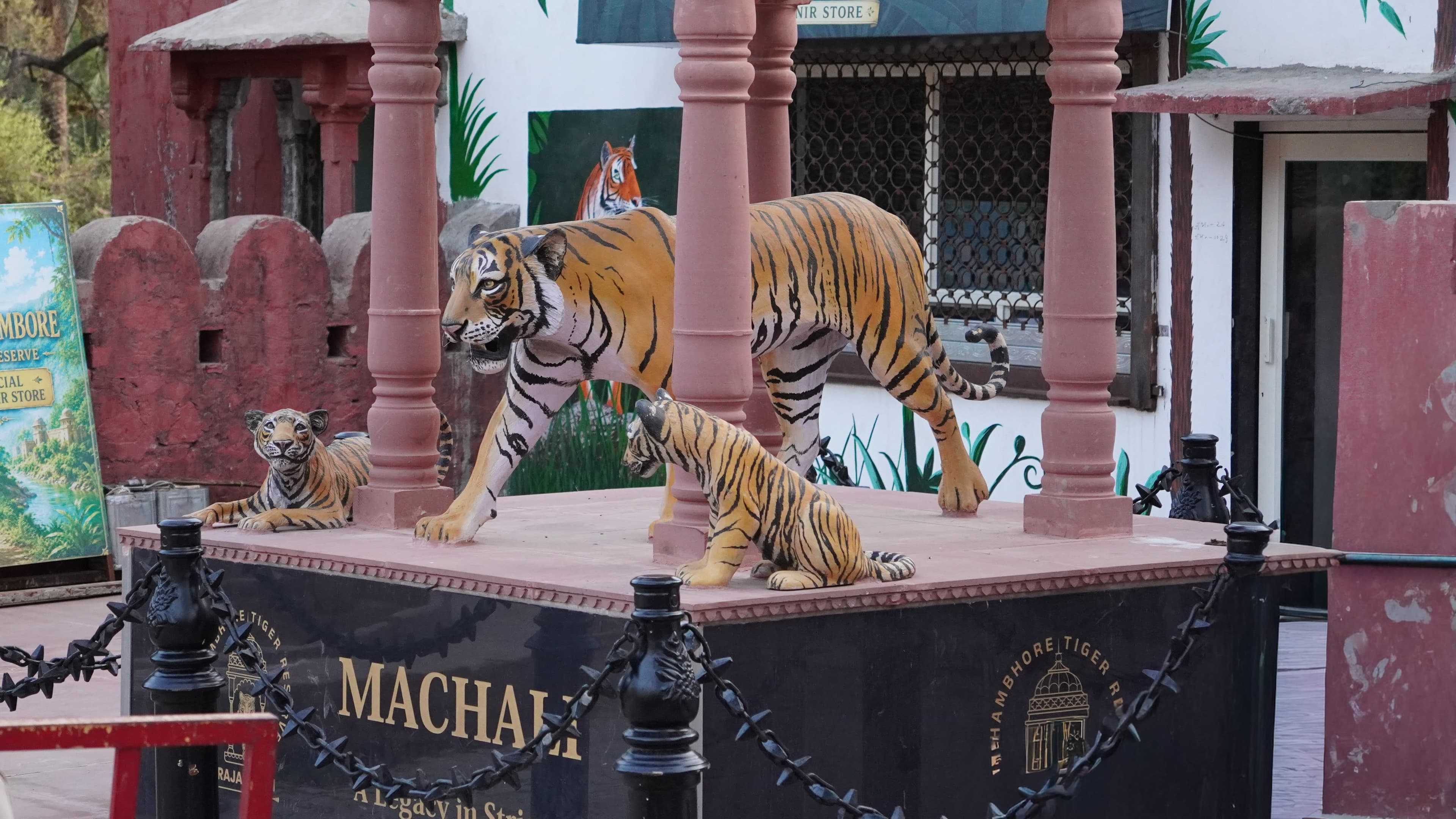
Machli (T-16) — The Tiger Queen of Ranthambore
Discover the captivating story of Machhli (T-16), Ranthambore’s most famous tigress. Known as the "Crocodile Killer" and "Queen of the Jungle," her fierce spirit, legendary battles, and extraordinary legacy redefined the wilderness of India.
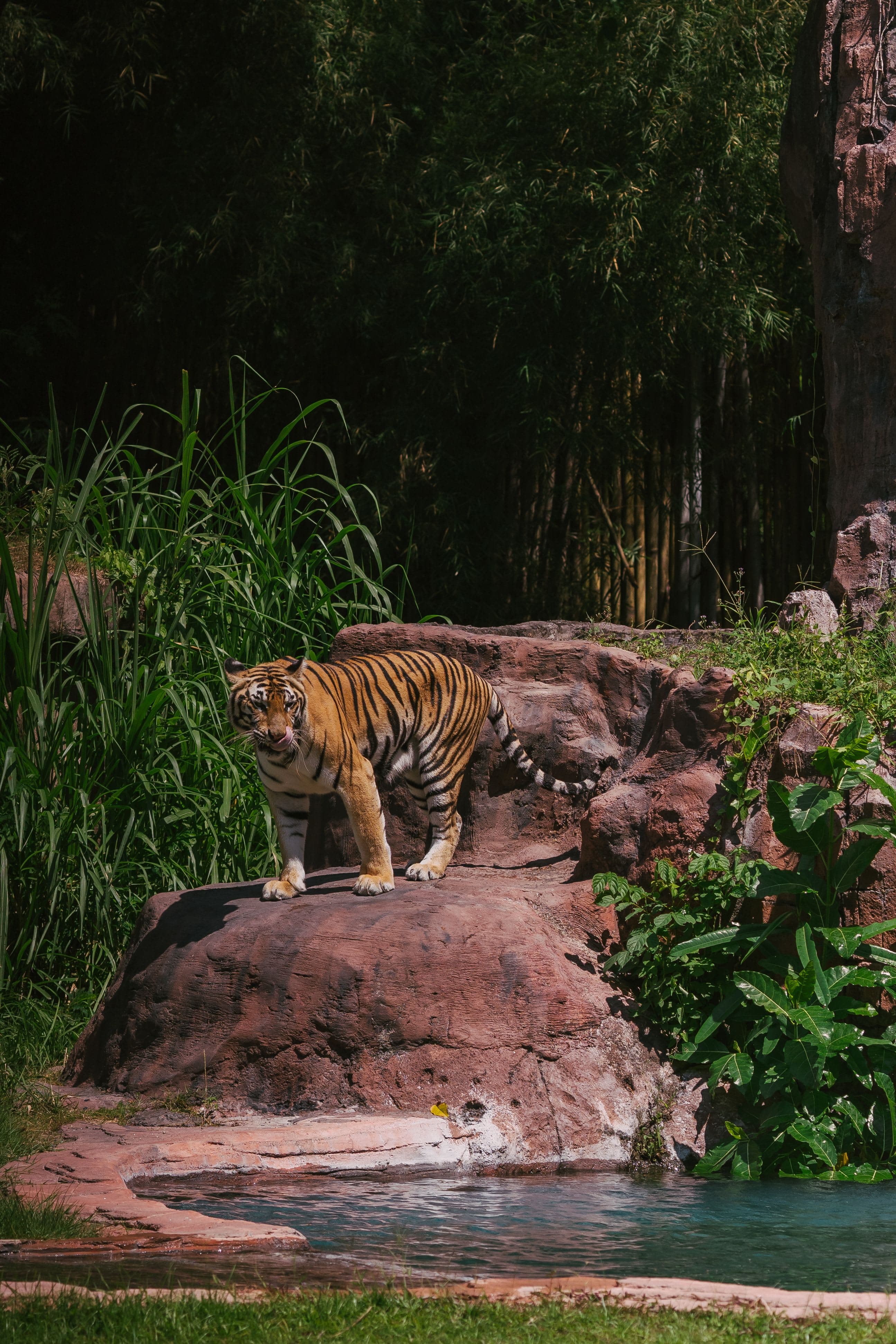
Is really Ustad (T-24) a Man-Eater?
Was Ustad (T-24) truly India's most feared man-eater, or was he a wild tiger caught in the growing conflict between greedy human and nature? Unearth the story behind one of Ranthambore's most controversial legends.
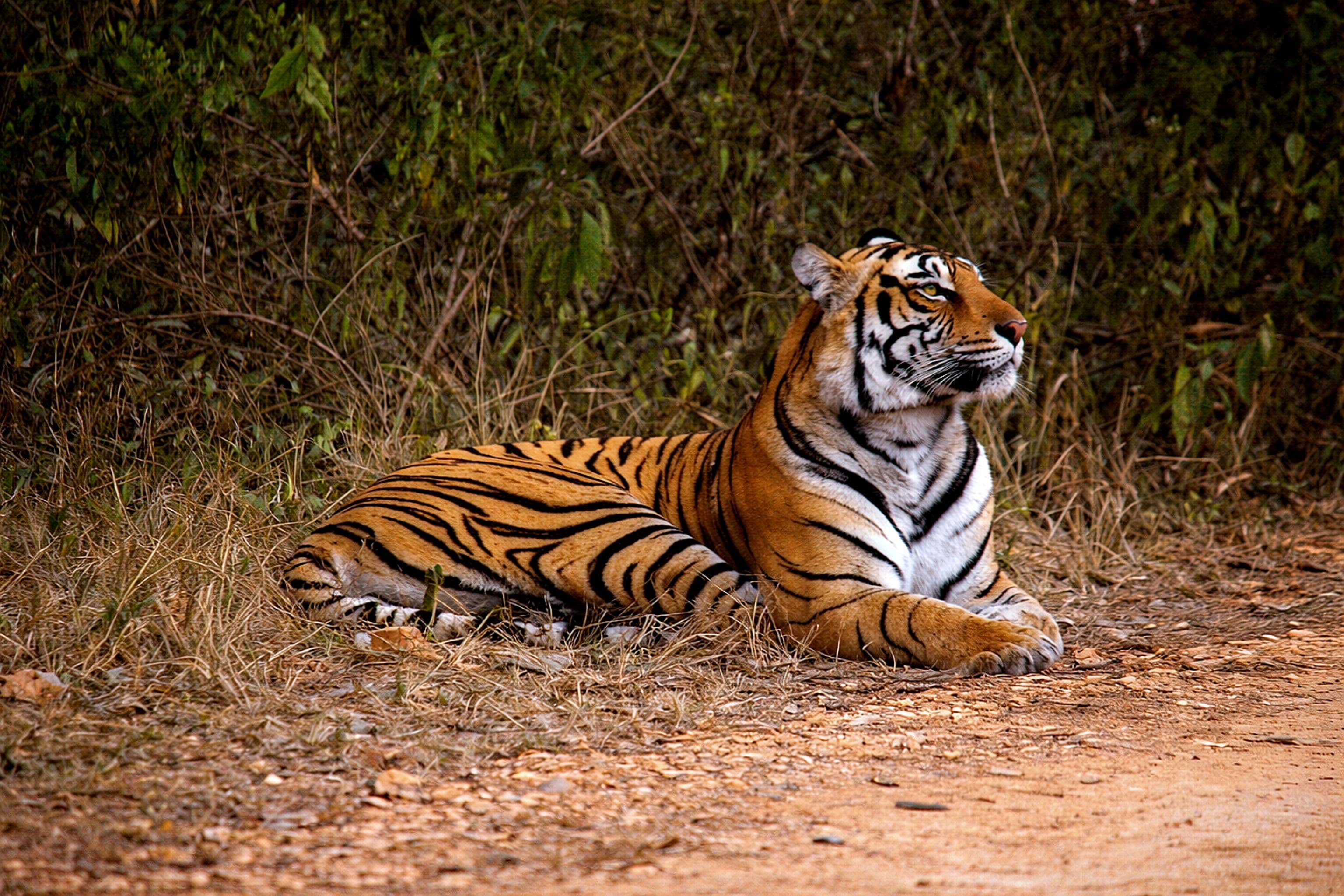
Aurangzeb (T-57) — The Male Behind Ranthambore's Zone 1 Cubs
Aurangzeb (T-57), also recorded as Singhasth, was a dominant Ranthambore male who fathered Noor's 2016 litter — including Sultana. He did not, despite the myth, father Riddhi and Siddhi.
Ganesh (T-120) 'Charger' — The King of Ranthambore's Lakes
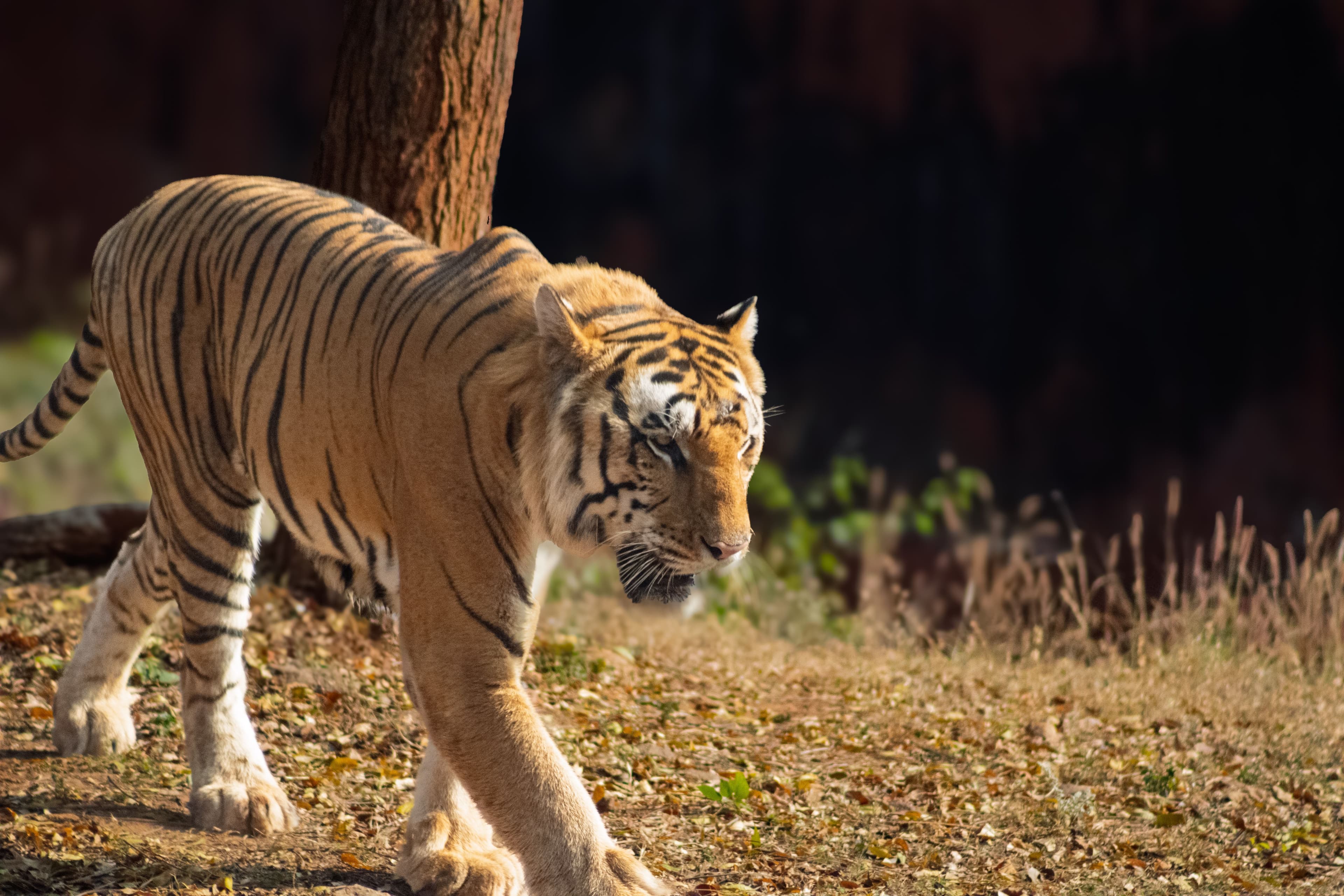
Ganesh (T-120), the mock-charging male of Zones 3–4, is Riddhi's mate, father of Shubh and the 2026 cubs — and, through his mother Chanda, a great-great-grandson of Machhli himself.
Husn Ara (T-30) — Matriarch of the Gilai Sagar Line
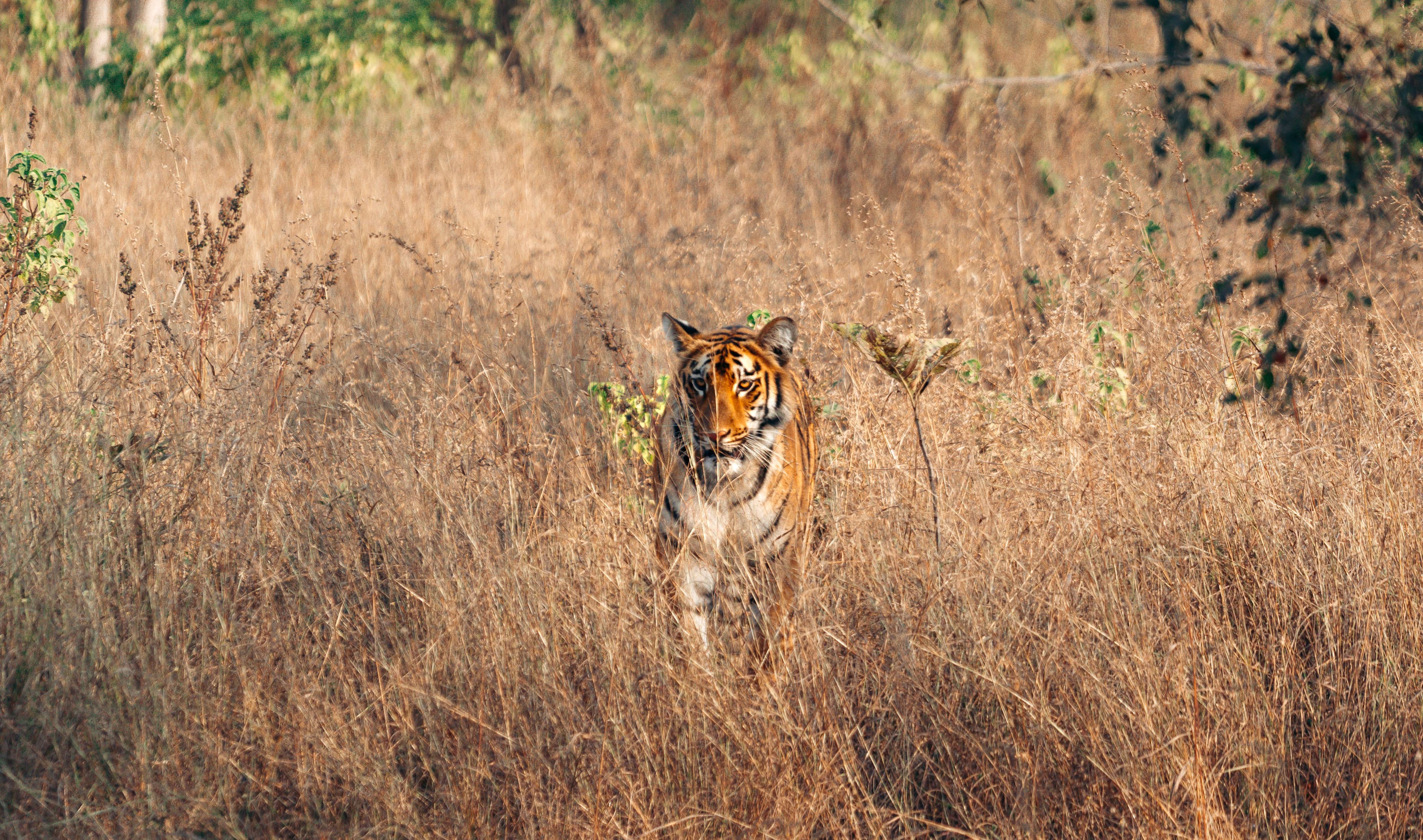
Husn Ara (T-30), a prolific tigress of the Gilai Sagar dynasty, mothered a string of well-known Ranthambore tigers including Hamir (T-33), Fateh (T-42) and Surzan (T-43).