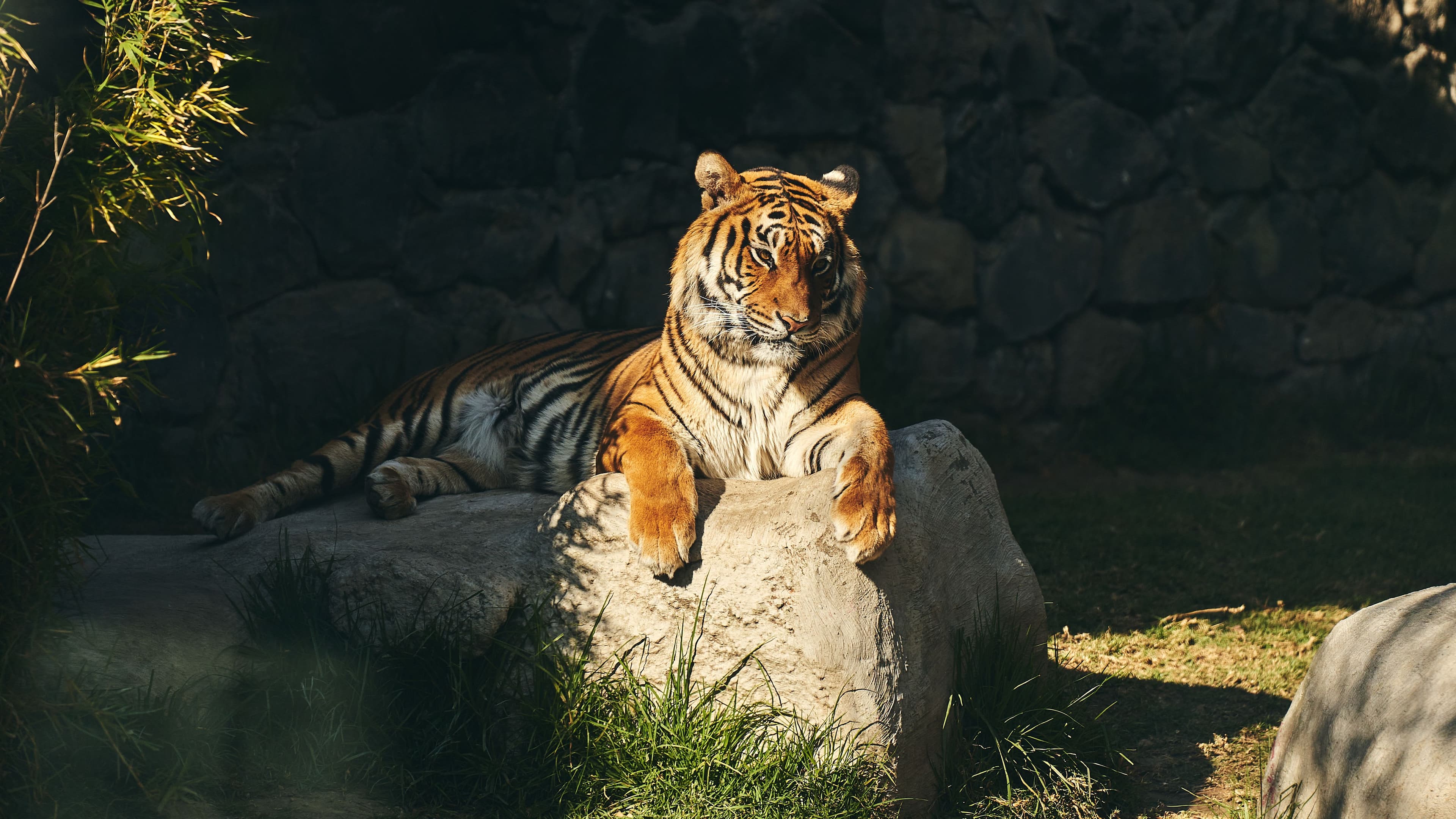
Ranthambore's lake zones make the celebrities; its eastern Khandar country makes the giants. Kumbha, coded T-34, was one of the largest and longest-reigning males the park has ever produced — a thick-necked, heavy-framed tiger who held the Khandar side of the reserve for well over a decade. He was not a lakeside performer, and he never chased fame the way Ustad (T-24) or Ganesh (T-120) did. He simply ruled, for a very long time, until age and a younger rival ended it in 2022.
The Khandar Giant
Kumbha, born around 2006, took his name from the Kumbhalgarh-scale bulk that struck everyone who saw him — guides routinely called him one of the biggest tigers in the reserve. His territory lay on the Khandar range, the reserve's eastern division across the Chambal-side ridges, quieter and wilder than the tourism heartland. Big males there patrol enormous beats, and Kumbha's reign covered a sweep of country that gave him access to multiple tigresses and kept him, for years, effectively unchallenged.
Longevity like his is rare in male tigers. Most lose their territory — and often their lives — within five or six years of winning it, as the fate of Packman (T-85) shows. Kumbha held on into his mid-teens, a sign of both his size and the relative stability of the Khandar side during his prime.
Death in a Territorial Fight
Time catches every king. On 5 June 2022, Kumbha was found dead in the reserve, aged around sixteen — very old for a wild male. The injuries on his neck and legs pointed to a territorial fight, almost certainly with a younger, stronger male moving in on ground Kumbha could no longer defend. It is the classic end for a dominant tiger: not a slow decline, but a single lost battle at the moment his strength finally slips below a challenger's.
Some family-tree charts online give his death year as 2021; the forest department record of 5 June 2022 is the accurate date, and it is the one we use on our tiger family tree.
Why the Big Males Matter
Tigers like Kumbha rarely get the coverage the lake tigresses do, because males don't den with cubs where visitors can watch them month after month. But a large, stable male is the keystone of a breeding landscape: by holding a big territory against all comers for a decade, he keeps the peace that lets tigresses raise litters, and his genes flow through a whole generation. Ranthambore's steady climb to roughly 81 tigers by 2026 rests on males like Kumbha doing exactly that, unwatched, on the wild edges of the reserve — the quiet infrastructure behind the recovery Project Tiger celebrates.
Frequently Asked Questions
How big was Kumbha (T-34)?
He was regarded as one of the largest male tigers in Ranthambore during his reign — a genuinely heavyweight animal, which is how he earned both his reputation and his long hold on territory.
How and when did Kumbha die?
He was found dead on 5 June 2022, at around sixteen years old, with wounds indicating a territorial fight with another male. Charts listing 2021 are incorrect.
Where was Kumbha's territory?
The Khandar range — the eastern division of Ranthambore, wilder and less visited than the lake tourism zones.
Can visitors see tigers on the Khandar side?
Khandar has its own safari access separate from the main gates. It sees far fewer vehicles than Zones 1–5; see our safari zones guide for how the reserve's zones are organised.
Similar Articles
Machli (T-16) — The Tiger Queen of Ranthambore
Discover the captivating story of Machhli (T-16), Ranthambore’s most famous tigress. Known as the "Crocodile Killer" and "Queen of the Jungle," her fierce spirit, legendary battles, and extraordinary legacy redefined the wilderness of India.
Is really Ustad (T-24) a Man-Eater?
Was Ustad (T-24) truly India's most feared man-eater, or was he a wild tiger caught in the growing conflict between greedy human and nature? Unearth the story behind one of Ranthambore's most controversial legends.
Aurangzeb (T-57) — The Male Behind Ranthambore's Zone 1 Cubs
Aurangzeb (T-57), also recorded as Singhasth, was a dominant Ranthambore male who fathered Noor's 2016 litter — including Sultana. He did not, despite the myth, father Riddhi and Siddhi.
Ganesh (T-120) 'Charger' — The King of Ranthambore's Lakes
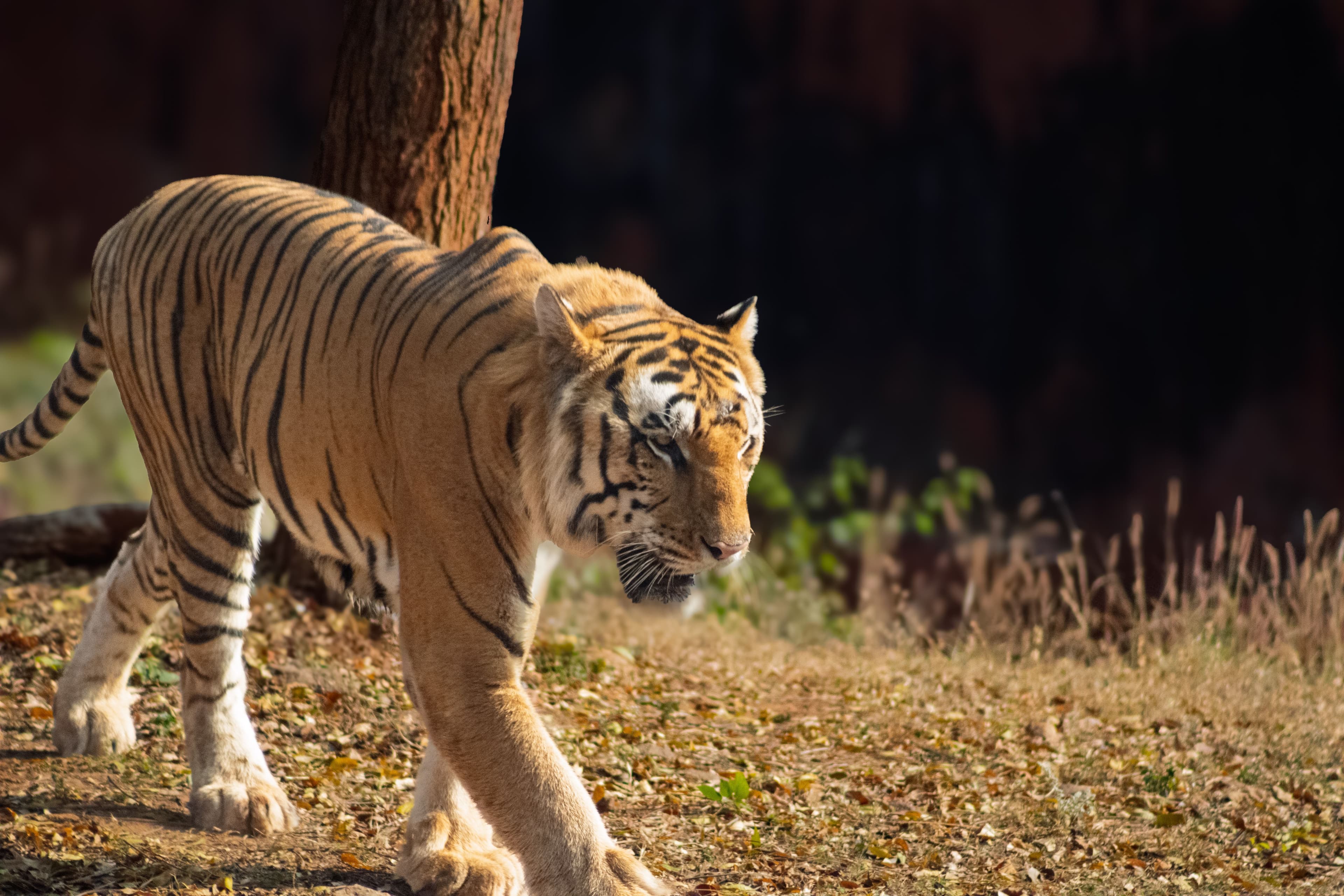
Ganesh (T-120), the mock-charging male of Zones 3–4, is Riddhi's mate, father of Shubh and the 2026 cubs — and, through his mother Chanda, a great-great-grandson of Machhli himself.
Husn Ara (T-30) — Matriarch of the Gilai Sagar Line
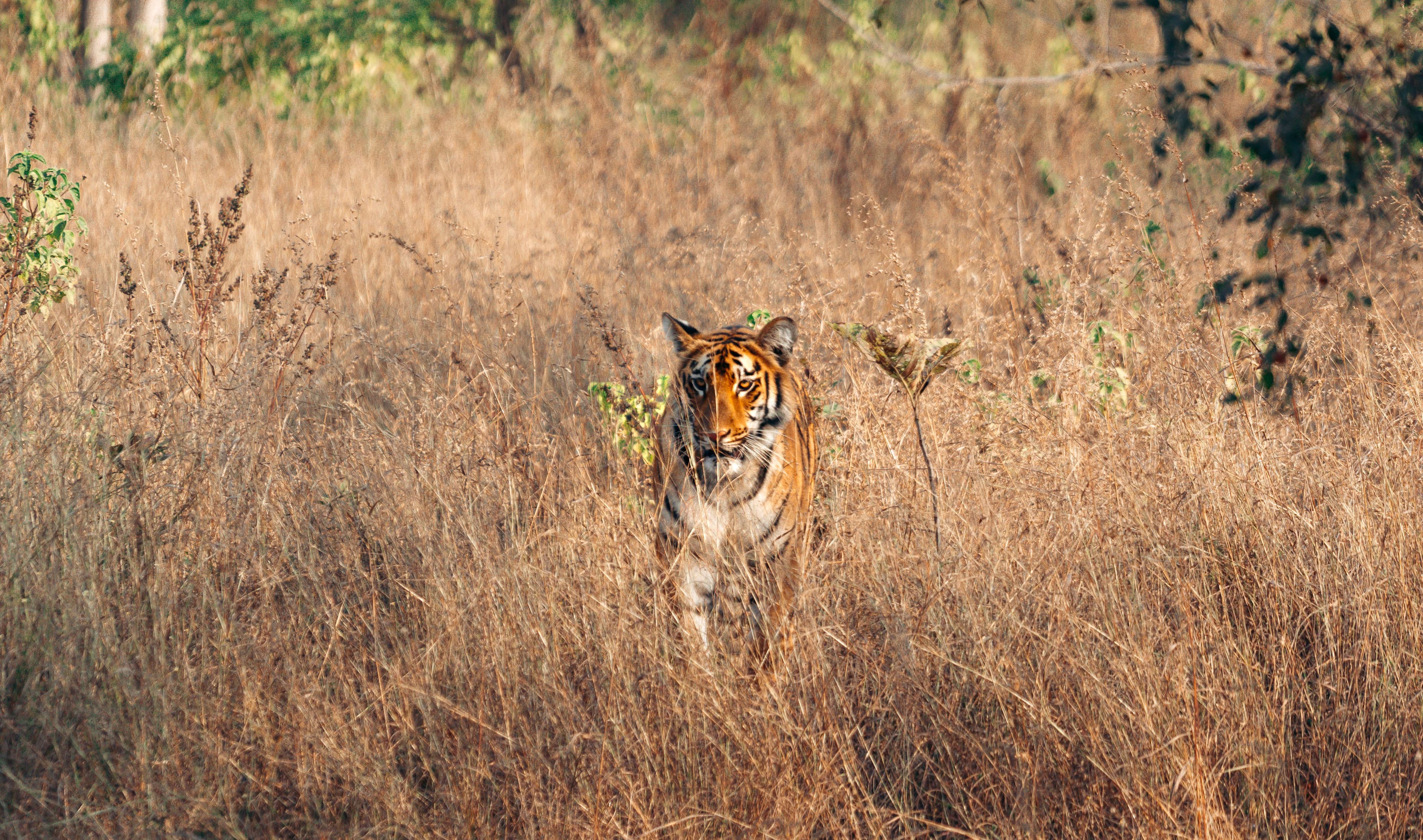
Husn Ara (T-30), a prolific tigress of the Gilai Sagar dynasty, mothered a string of well-known Ranthambore tigers including Hamir (T-33), Fateh (T-42) and Surzan (T-43).