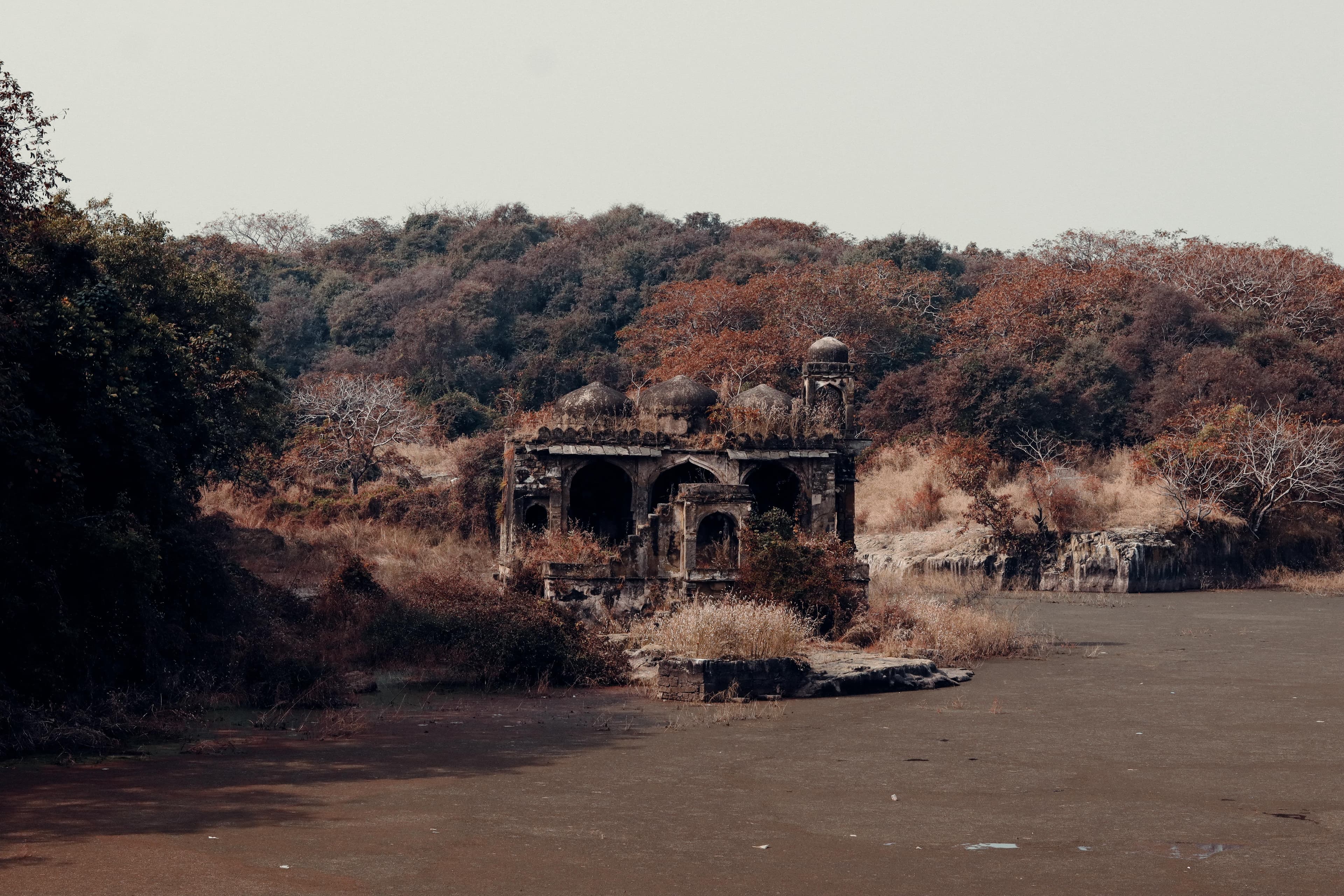
A tiger safari is the reason most people come to Ranthambore, but the region rewards visitors who stay a little longer. Between safari slots — or on the weekly day the core zones close — there is a genuinely rich mix of history, temples, lakes and culture to explore. Here are the best things to do in Ranthambore beyond the jungle drive.
Explore Ranthambore Fort
Rising 700 feet above the park on a sheer hill, the thousand-year-old Ranthambore Fort is a UNESCO World Heritage Site and the single most rewarding non-safari experience in the area. Its seven gates, ruined palaces, chhatris and panoramic ramparts can be explored on foot, and it is not unusual to share the climb with langurs, peacocks and the occasional tiger moving through the ruins below.
Visit the Trinetra Ganesh Temple
Inside the fort stands the Trinetra Ganesh Temple, believed to be one of the very few temples where Lord Ganesha is depicted with three eyes. It is among the most revered Ganesha shrines in Rajasthan, drawing large crowds on Wednesdays and during its annual fair, when tens of thousands of pilgrims climb to the fort. Even outside festival days, it offers a quiet, atmospheric contrast to the safari.
Birdwatching at Surwal Lake
A short drive from Sawai Madhopur, Surwal Lake is a shallow seasonal wetland that becomes a magnet for waterbirds in winter — flamingos, painted storks, cranes and ducks gather here in large numbers, usually best in the early morning. It is a favourite of photographers and pairs perfectly with the park's wider birding appeal.
Kachida Valley
On the outskirts of the park, Kachida Valley is a landscape of low hills and rocky outcrops known for panthers and sloth bears, which favour its terrain away from the tiger-dense core. It is typically visited by jeep and offers a good chance of the wildlife that is harder to see in the main zones.
Rajiv Gandhi Regional Museum of Natural History
For a rainy afternoon or a break from the heat, this natural-history museum in Sawai Madhopur has accessible exhibits on the plants, animals and geology of western India. It is a good stop for families and a gentle primer on the ecosystem you'll see on safari.
Ranthambore School of Art
This local art initiative showcases wildlife paintings — tigers above all — created by area artists, with much of the work supporting tiger conservation and local livelihoods. It is one of the most meaningful souvenirs you can take home from Ranthambore.
Dastkar Craft Centre & Shopping
The Dastkar Ranthambore craft centre supports women artisans from villages around the park, selling block-printed textiles, garments and handicrafts. Buying here channels tourism income directly into the communities that live alongside the reserve — a quiet but real part of the conservation story.
Take a Chambal River Boat Safari
About an hour from Ranthambore, the Chambal River boat safari at Palighat is the standout day trip from the park. A two-hour glide down one of India's cleanest rivers brings critically endangered gharials, Ganges river dolphins, mugger crocodiles and the rare Indian Skimmer — a completely different world from the dry tiger forest, and the perfect use of a day when the core zones are closed.
Frequently Asked Questions
What is there to do in Ranthambore besides the tiger safari?
Plenty — explore the UNESCO-listed Ranthambore Fort and Trinetra Ganesh Temple, birdwatch at Surwal Lake, visit Kachida Valley for panthers and sloth bears, tour the Rajiv Gandhi natural-history museum, and shop for conservation-supporting crafts at the Ranthambore School of Art and Dastkar centre.
What can I do on the day the park is closed?
The core zones close one day a week and the whole park closes July to September. On those days the fort, temple, museum, Surwal Lake and craft centres are all open and make an excellent alternative itinerary — see our best time to visit guide for closure details.
Is Ranthambore Fort worth visiting?
Absolutely. It's a thousand-year-old UNESCO World Heritage Site with dramatic architecture and panoramic views over the park, and entry is included with a Zone 1 or Zone 3 safari permit.
Similar Articles
Where Is Jawai? India's Masai Mara for Leopards
Where is Jawai? Pali district, Rajasthan, midway between Udaipur and Jodhpur — India's Masai Mara of granite hills and wild leopards. Full location guide.
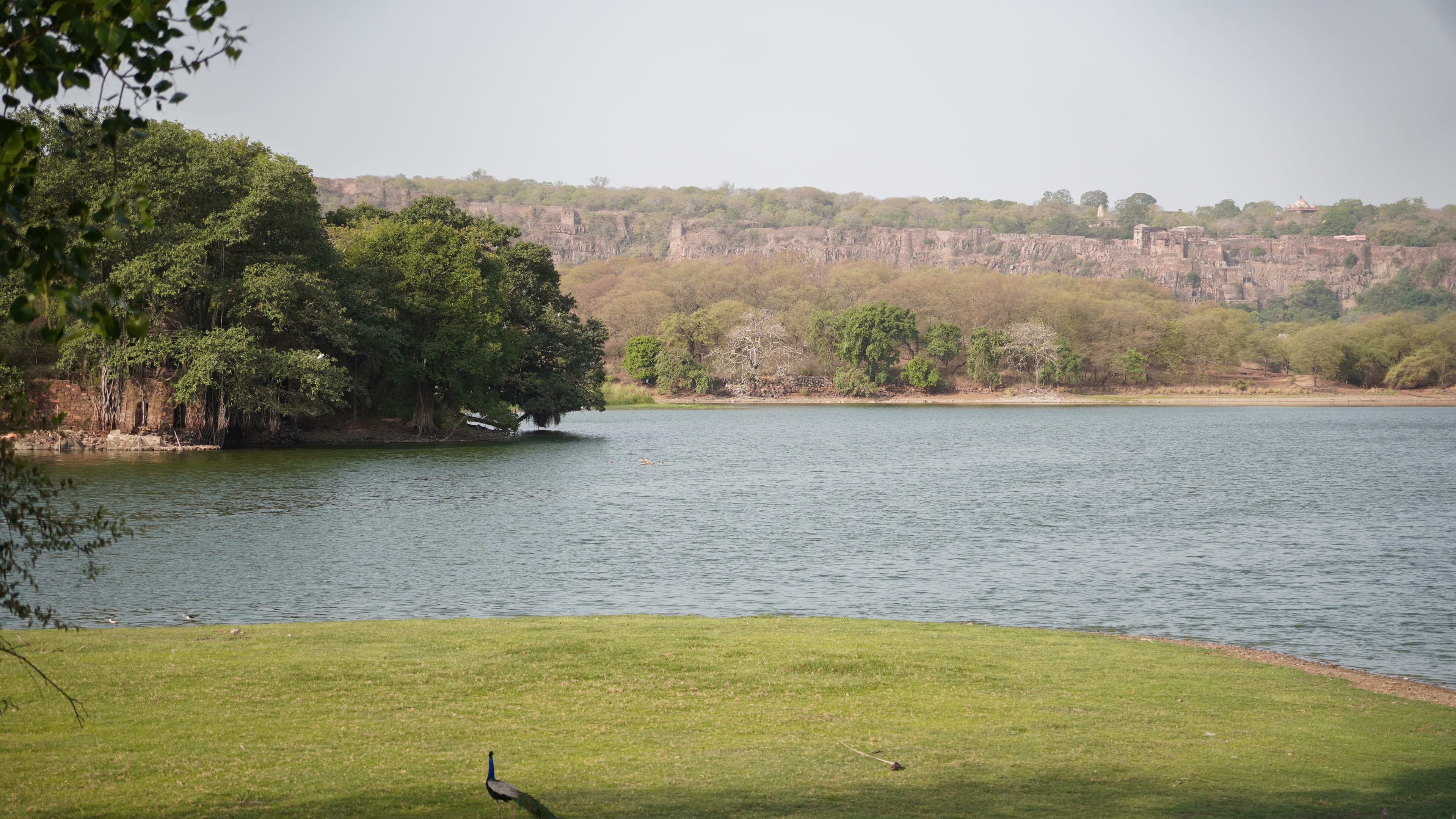
Ranthambore Itinerary — 2 & 3 Day Trip Plans + Packing List
How many days do you need in Ranthambore? Ready-to-use 2-night and 3-night itineraries covering safaris, the fort and Chambal, plus a safari packing checklist and first-timer planning tips.
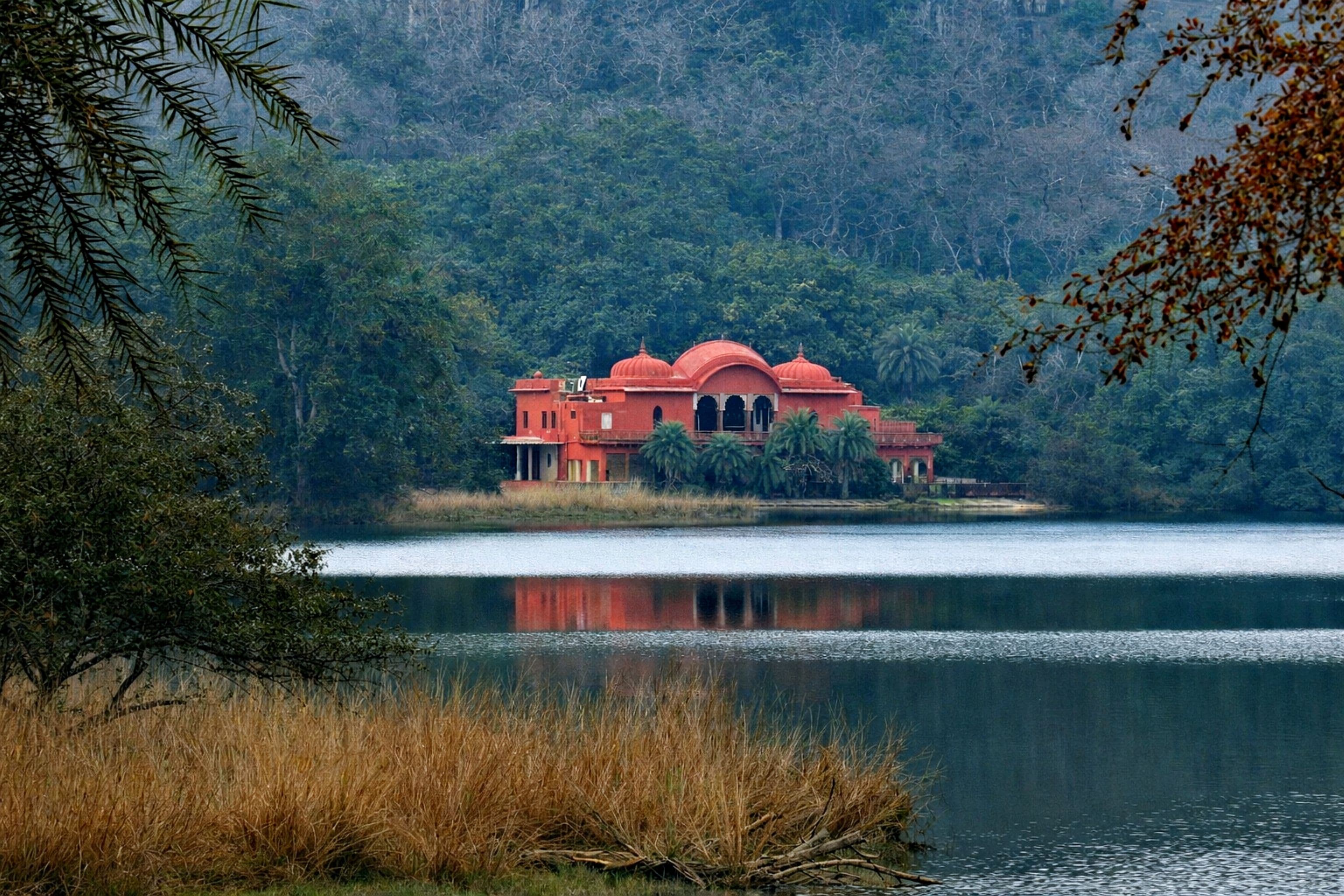
Where to Stay in Ranthambore — Hotels & Resorts Guide
Ranthambore has 80+ places to stay, from budget guesthouses to world-famous luxury tented camps. A guide to accommodation areas, price bands (budget to luxury), and how to choose the right base for your safari trip.
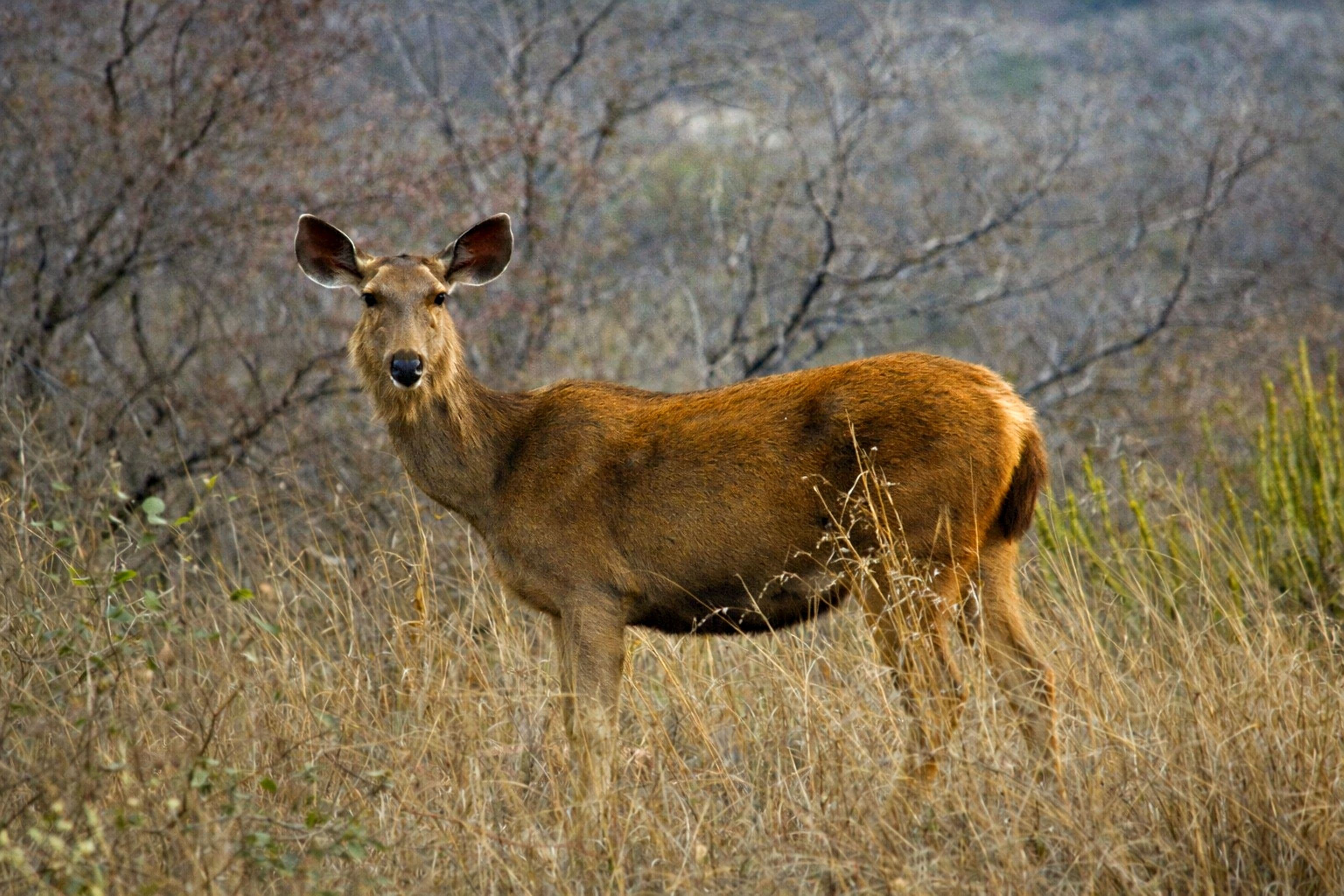
Best Time to Visit Ranthambore National Park
The best time to visit Ranthambore is October to June. Winter (Oct–Feb) offers pleasant weather; summer (Apr–Jun) delivers the highest tiger sighting rates. The park closes July–September for monsoon.
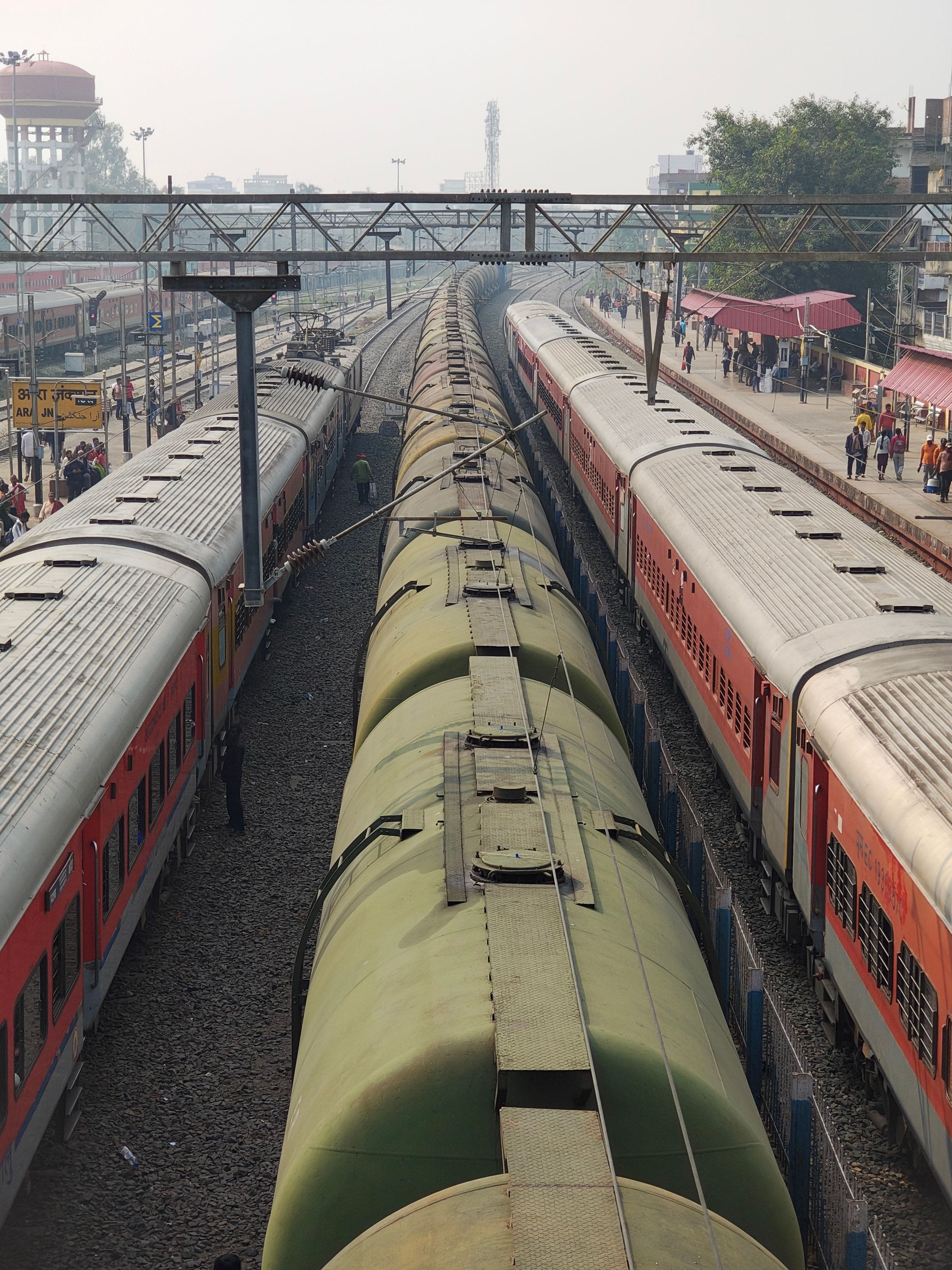
Ranthambore by Train — Trains to Sawai Madhopur Station
Sawai Madhopur station is on the Mumbai–Delhi main line, with fast trains from Delhi (3.5h), Jaipur (2h) and Mumbai (12h). Key trains, travel classes, foreign tourist quota and booking tips for reaching Ranthambore by rail.