Jawai is one of Rajasthan's most remarkable wildlife destinations, celebrated for its thriving leopard population, dramatic granite hills, and a rare model of coexistence between humans and wildlife. Often called the Masai Mara of India, the region has gained international recognition among wildlife enthusiasts and photographers, yet its exact location often remains unclear to first-time visitors.
Situated in the heart of western Rajasthan, Jawai is more than a single town or protected reserve. It is a vast natural landscape shaped by ancient geological formations, the waters of the Jawai Dam, and a network of rural villages that have existed alongside wildlife for centuries. Its strategic location between Udaipur and Jodhpur makes it an accessible destination while preserving an atmosphere of tranquillity rarely found in India's more commercial safari parks.
Where Is Jawai Located?
Jawai is located in the Pali district of Rajasthan, nestled within the ancient Aravalli Range. The region lies approximately midway between Udaipur and Jodhpur, making it an ideal stop for travellers exploring western Rajasthan.
Unlike destinations defined by administrative boundaries, Jawai refers to a broader landscape surrounding the Jawai Dam. This landscape extends across rocky hills, grasslands, seasonal riverbeds, agricultural fields, and traditional villages that together form one of India's most distinctive wildlife habitats.
The villages of Bera, Sena, Perwa, and Sumerpur are among the best-known settlements within the Jawai region. These communities have become closely associated with leopard safaris and wildlife conservation while preserving their traditional way of life.
Understanding the Jawai Landscape
Jawai is often mistaken for a national park or wildlife sanctuary, but the region follows a very different conservation model. If you're unsure how it is classified, read is Jawai a national park? Instead of existing within fenced forest boundaries, Jawai functions as an open conservation landscape where wildlife moves freely across natural habitats and community land.
This unique geography creates an environment unlike any other safari destination in Rajasthan. Granite hills rise dramatically from open plains, narrow valleys weave through rocky outcrops, and seasonal streams eventually feed into the Jawai Dam. The absence of dense forests allows excellent visibility, contributing to the region's reputation for consistent leopard sightings.
Equally remarkable is the relationship between the landscape and its people. Local Rabari pastoral communities have shared these hills with wildlife for generations, creating a rare example of peaceful coexistence that continues to define Jawai today.
The Ancient Aravalli Mountains
Jawai forms part of the Aravalli Range, one of the oldest mountain systems on Earth. Geological studies estimate these mountains to be between 1.5 and 2 billion years old, making them significantly older than the Himalayas.
Over millions of years, erosion transformed the original mountains into the rounded granite formations that dominate Jawai's landscape today. Massive boulders, weathered cliffs, and natural caves create a striking terrain that is both visually dramatic and ecologically important.
These granite formations play a vital role in supporting wildlife. Deep crevices and caves provide secure resting places for leopards, while elevated ridges offer excellent vantage points for observing prey and navigating the surrounding landscape. The rocky terrain has also limited large-scale development, helping preserve Jawai's natural character.
Jawai Dam: The Heart of the Region
Constructed across the Jawai River, the Jawai Dam serves as one of western Rajasthan's most important water reservoirs. Originally built to support irrigation and regional water supply, it has also become a critical ecological resource.
The reservoir attracts a wide variety of wildlife throughout the year. Mugger crocodiles inhabit its waters, while the surrounding wetlands provide seasonal habitat for numerous resident and migratory bird species. During the winter months, the dam becomes an important destination for birdwatchers as flocks of waterbirds arrive from Central Asia and other migratory routes.
The combination of open water, granite hills, and surrounding grasslands creates one of Rajasthan's most picturesque natural landscapes.
Why Jawai's Geography Is Ideal for Leopards
The success of Jawai as a leopard habitat is closely linked to its geography. Unlike densely forested reserves, the region offers a mosaic of rocky shelters, open viewpoints, and reliable water sources that support a healthy leopard population.
Natural granite caves provide safe locations for resting and raising cubs, while elevated rock formations allow leopards to monitor their surroundings with minimal effort. Open terrain improves visibility for both wildlife and safari guides, contributing to the region's reputation for frequent leopard sightings.
Equally important is the absence of competing apex predators such as tigers, allowing leopards to occupy the highest position in the local food chain. This ecological balance has helped establish Jawai as one of India's premier destinations for observing wild leopards in their natural environment.
Nearby Cities and Travel Distances
Jawai is well connected by road to several major cities across Rajasthan and neighbouring Gujarat.
- Udaipur — 150 km, around 3 hours by road.
- Jodhpur — 160 km, around 2.5 to 3 hours by road.
- Ahmedabad — 320 km, around 6 to 7 hours by road.
- Jaipur — 430 km, around 7 to 8 hours by road.
Its central location allows Jawai to be combined easily with destinations such as Ranakpur, Kumbhalgarh, Mount Abu, Udaipur, and Jodhpur.
How to Reach Jawai
Jawai is accessible through multiple transportation options.
By Road
The region enjoys excellent road connectivity from Udaipur, Jodhpur, Ahmedabad, and Jaipur. Private taxis and self-drive vehicles remain the most convenient options, offering flexibility while travelling through Rajasthan.
By Rail
The nearest railway station is Jawai Bandh Railway Station, located on the Delhi–Ahmedabad railway line. Additional rail connections are available through Falna Railway Station, which serves several long-distance trains.
By Air
The closest airports are Maharana Pratap Airport in Udaipur and Jodhpur Airport. Both airports offer regular domestic flights connecting Rajasthan with major Indian cities.
Why Jawai's Location Makes It Unique
Location is one of Jawai's greatest strengths. Positioned between two of Rajasthan's major tourism hubs while remaining removed from large-scale urban development, the region has retained its natural character despite growing international recognition.
The combination of ancient granite hills, seasonal wetlands, open scrubland, and traditional villages supports an extraordinary diversity of wildlife while preserving a landscape shaped more by nature than by tourism infrastructure. This balance has established Jawai as one of India's most distinctive wildlife destinations and an outstanding example of landscape-level conservation.
Planning a western Rajasthan wildlife trip? See our tour packages to pair a Jawai leopard safari with Ranthambore when you're ready to plan.
Similar Articles
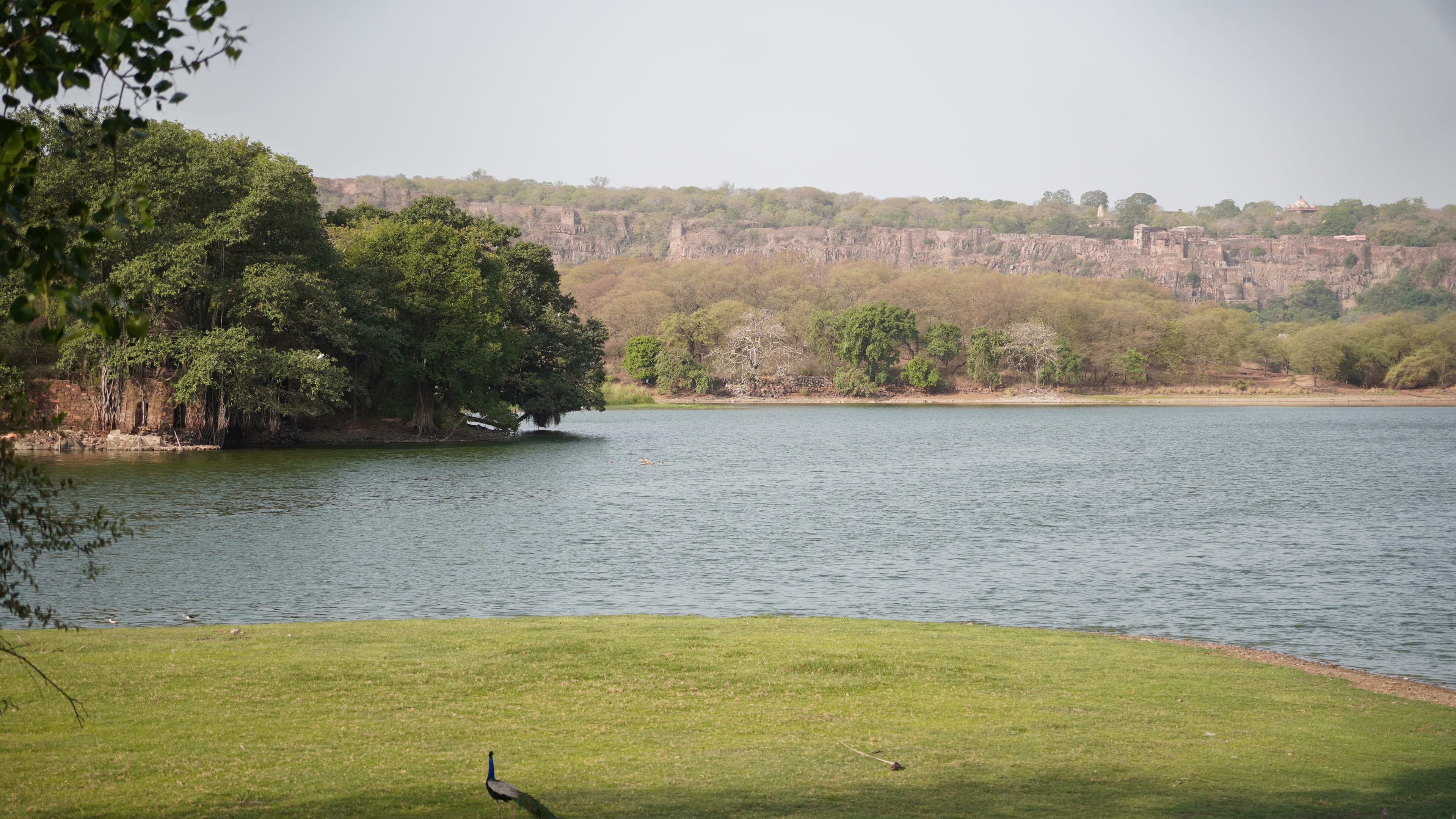
Ranthambore Itinerary — 2 & 3 Day Trip Plans + Packing List
How many days do you need in Ranthambore? Ready-to-use 2-night and 3-night itineraries covering safaris, the fort and Chambal, plus a safari packing checklist and first-timer planning tips.
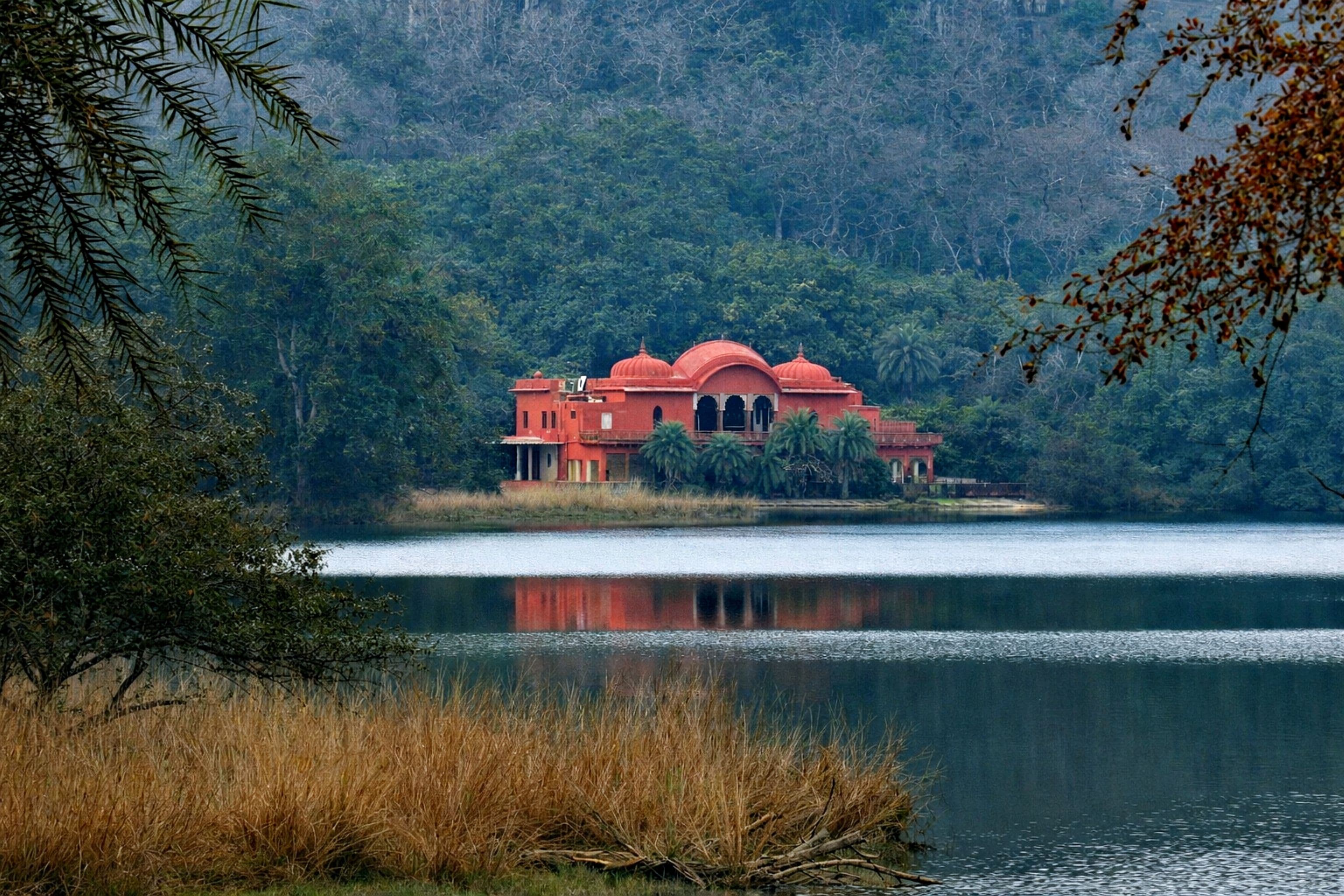
Where to Stay in Ranthambore — Hotels & Resorts Guide
Ranthambore has 80+ places to stay, from budget guesthouses to world-famous luxury tented camps. A guide to accommodation areas, price bands (budget to luxury), and how to choose the right base for your safari trip.
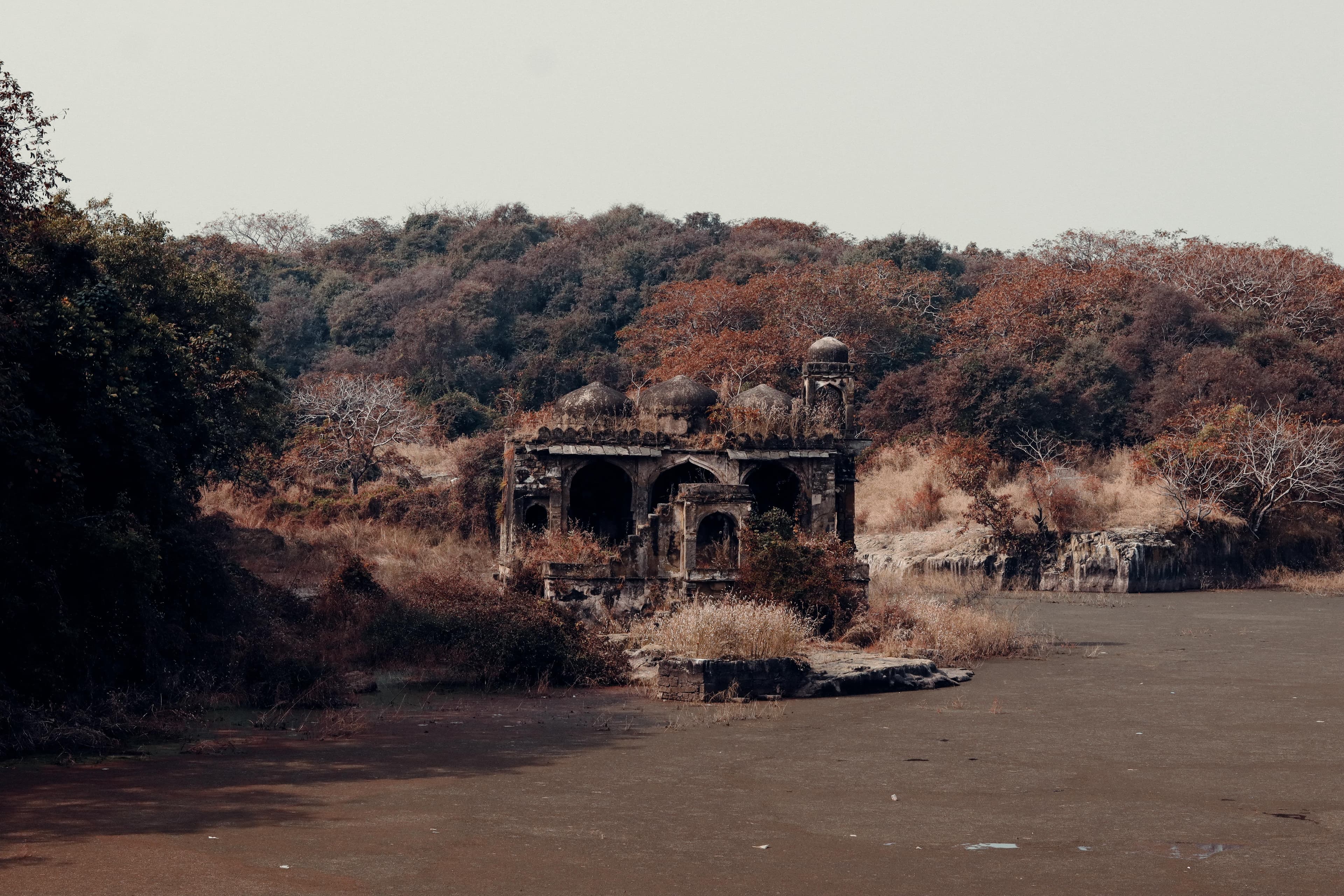
Things to Do in Ranthambore Besides the Tiger Safari
Beyond the safari, Ranthambore offers a UNESCO fort, the three-eyed Trinetra Ganesh temple, birding at Surwal Lake, Kachida Valley, a natural-history museum and conservation crafts. Your guide to exploring beyond the jungle.
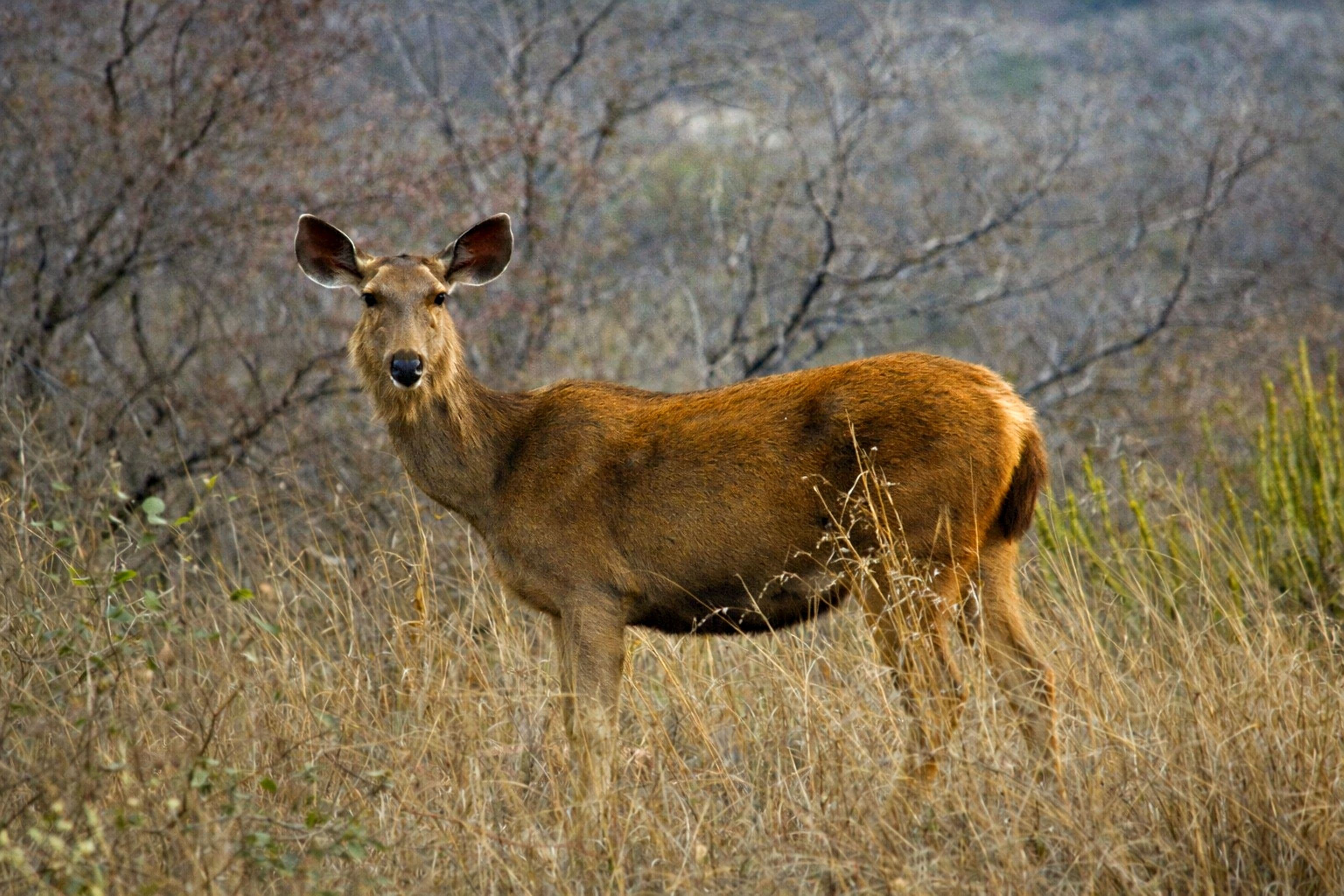
Best Time to Visit Ranthambore National Park
The best time to visit Ranthambore is October to June. Winter (Oct–Feb) offers pleasant weather; summer (Apr–Jun) delivers the highest tiger sighting rates. The park closes July–September for monsoon.
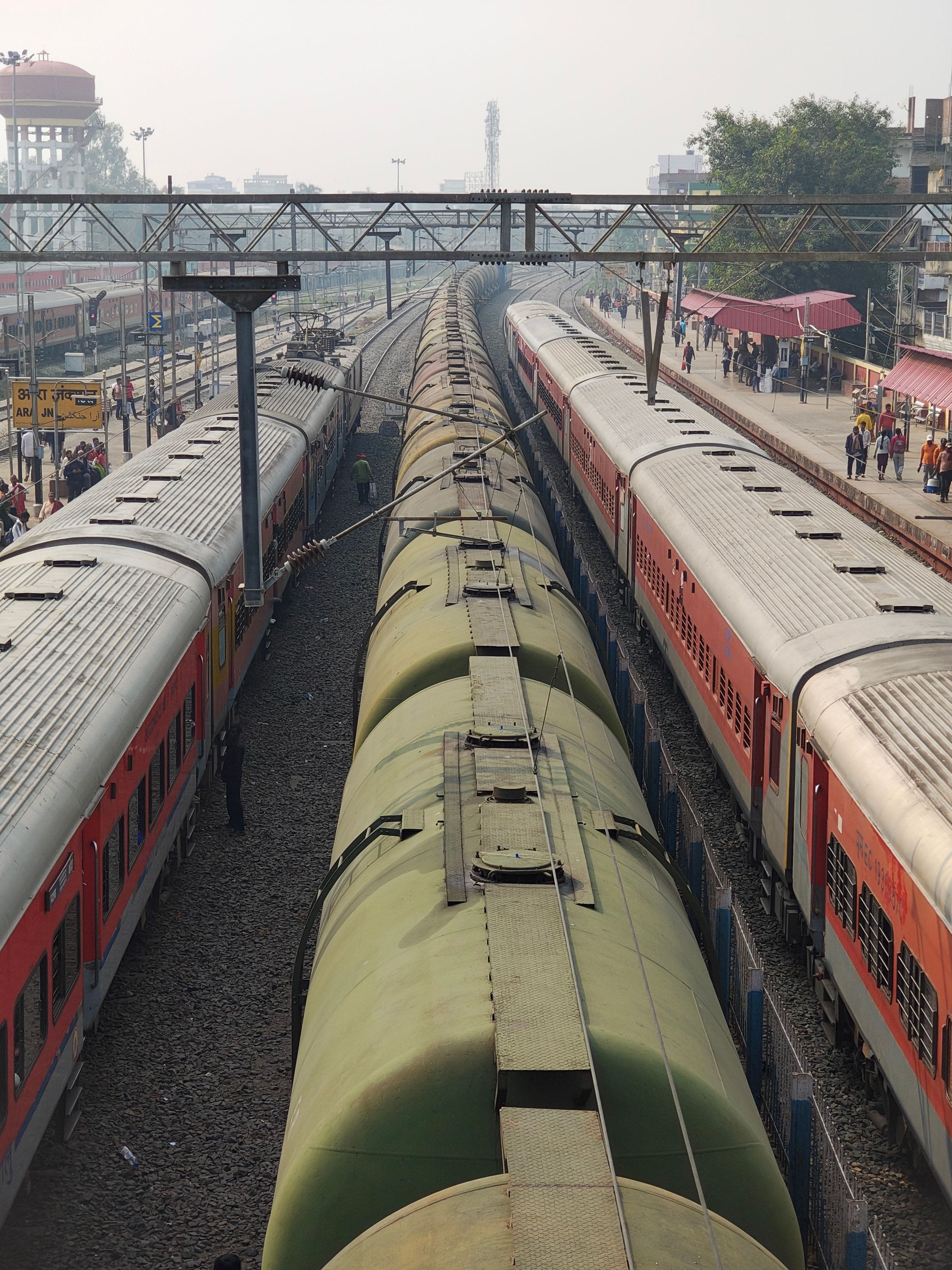
Ranthambore by Train — Trains to Sawai Madhopur Station
Sawai Madhopur station is on the Mumbai–Delhi main line, with fast trains from Delhi (3.5h), Jaipur (2h) and Mumbai (12h). Key trains, travel classes, foreign tourist quota and booking tips for reaching Ranthambore by rail.