Jawai has emerged as one of Rajasthan's most sought-after wildlife destinations, particularly for leopard safaris. However, one question continues to create confusion among travellers: Is Jawai a National Park?
The answer is no.
Jawai is neither a National Park nor a government-managed Tiger Reserve. Instead, it is a unique conservation landscape where wildlife and local communities have coexisted for generations. This extraordinary relationship has made Jawai one of India's most remarkable destinations for observing leopards in their natural habitat.
What Is Jawai?
Located in the Pali district of Rajasthan, between Udaipur and Jodhpur, Jawai—also known as Jawai Bandh—is centred around the Jawai Dam and surrounded by the ancient Aravalli hills. The landscape is characterised by massive granite outcrops, caves, grasslands, seasonal riverbeds, and traditional villages.
Unlike conventional wildlife reserves, Jawai is not enclosed within protected forest boundaries. Leopards roam freely across the rocky terrain while local Rabari communities continue their traditional pastoral lifestyle. This rare coexistence between humans and wildlife has become one of Jawai's defining characteristics.
Is Jawai a National Park?
Jawai is not a gazetted National Park under the Wildlife (Protection) Act, nor is it classified as a Tiger Reserve managed by the Forest Department.
Instead, Jawai functions as a conservation landscape, where wildlife inhabits a mosaic of private land, community land, revenue land, and natural rocky habitats. The leopard population is entirely wild, yet it exists outside the boundaries of a conventional protected forest.
This distinctive conservation model is the primary reason Jawai offers a safari experience that differs significantly from destinations such as Ranthambore and Sariska.
National Park vs Wildlife Sanctuary vs Conservation Landscape
The terms National Park, Wildlife Sanctuary, and Conservation Landscape are often used interchangeably, although each represents a different conservation model.
- National Park — Strictly protected government land with regulated entry, designated safari zones, and fixed permit systems. Example: Ranthambore National Park.
- Wildlife Sanctuary — Protected area where limited and regulated human activities are permitted. Example: Kumbhalgarh Wildlife Sanctuary.
- Conservation Landscape — Wildlife coexists across community land, private land, and natural habitats without fenced park boundaries. Example: Jawai.
Jawai represents a conservation approach centred on coexistence rather than separation, allowing wildlife and local communities to share the same landscape.
What Makes Jawai Different?
A Gate-Free Safari Experience
Unlike traditional National Parks, Jawai does not operate through fixed forest gates or designated safari zones. Safari routes extend across the region's granite hills and surrounding villages, creating a more flexible wildlife experience.
One of India's Best Leopard Habitats
Jawai is internationally recognised for its thriving leopard population. The region's open granite landscape offers exceptional visibility, contributing to consistently high leopard sighting opportunities throughout the year.
A Rare Example of Human-Wildlife Coexistence
The Rabari community has shared this landscape with leopards for centuries. Cultural beliefs and traditional practices have fostered an environment where both humans and wildlife continue to coexist with remarkably little conflict.
This relationship has become one of Jawai's most significant conservation success stories.
Wildlife Beyond Leopards
Although famous for leopard sightings, Jawai supports a diverse range of wildlife species, including:
- Mugger crocodiles around Jawai Dam
- Striped hyenas
- Nilgai (Blue Bull)
- Indian foxes
- Golden jackals
- Indian peafowl
- Resident and migratory bird species
This ecological diversity makes Jawai an attractive destination for wildlife enthusiasts, birdwatchers, and nature photographers alike.
Are Permits Required for a Jawai Safari?
Unlike National Parks, Jawai does not require visitors to obtain entry permits through Forest Department ticket counters.
Leopard safaris are organised directly by authorised local operators, who provide safari vehicles, experienced drivers, and knowledgeable trackers familiar with leopard movements across the region.
Advance reservations are generally recommended, particularly during the peak tourism season between October and March, when safari demand is highest.
Where Is Jawai Located?
Jawai is situated within Rajasthan's ancient Aravalli Range in Pali district, approximately midway between Udaipur and Jodhpur.
Approximate travel times include:
- Udaipur to Jawai: Around 3 hours by road
- Jodhpur to Jawai: Around 2.5 hours by road
Its strategic location also makes Jawai an ideal addition to travel itineraries covering Udaipur, Jodhpur, Ranakpur, and Kumbhalgarh.
For a full breakdown of where the region sits and how to reach it, see our complete guide to where Jawai is located.
Why Has Jawai Become a Popular Wildlife Destination?
Jawai offers a wildlife experience that differs significantly from conventional safari destinations. Rather than operating within enclosed park boundaries, the region showcases a landscape where wild leopards, traditional villages, ancient granite hills, and local communities exist side by side.
Combined with excellent leopard sighting opportunities, dramatic landscapes, and rich biodiversity, Jawai has established itself as one of India's premier destinations for leopard safaris and wildlife photography.
Jawai pairs naturally with a Ranthambore tiger safari for a complete Rajasthan wildlife circuit — see our tour packages when you're ready to plan your trip.
Similar Articles

Mobile Phone Ban in Ranthambore Safari: 2026 Rules Explained
Mobile phones are banned on Ranthambore safaris under a Nov 2025 Supreme Court order. See what's prohibited, whether cameras are allowed, and how gate lockers work.
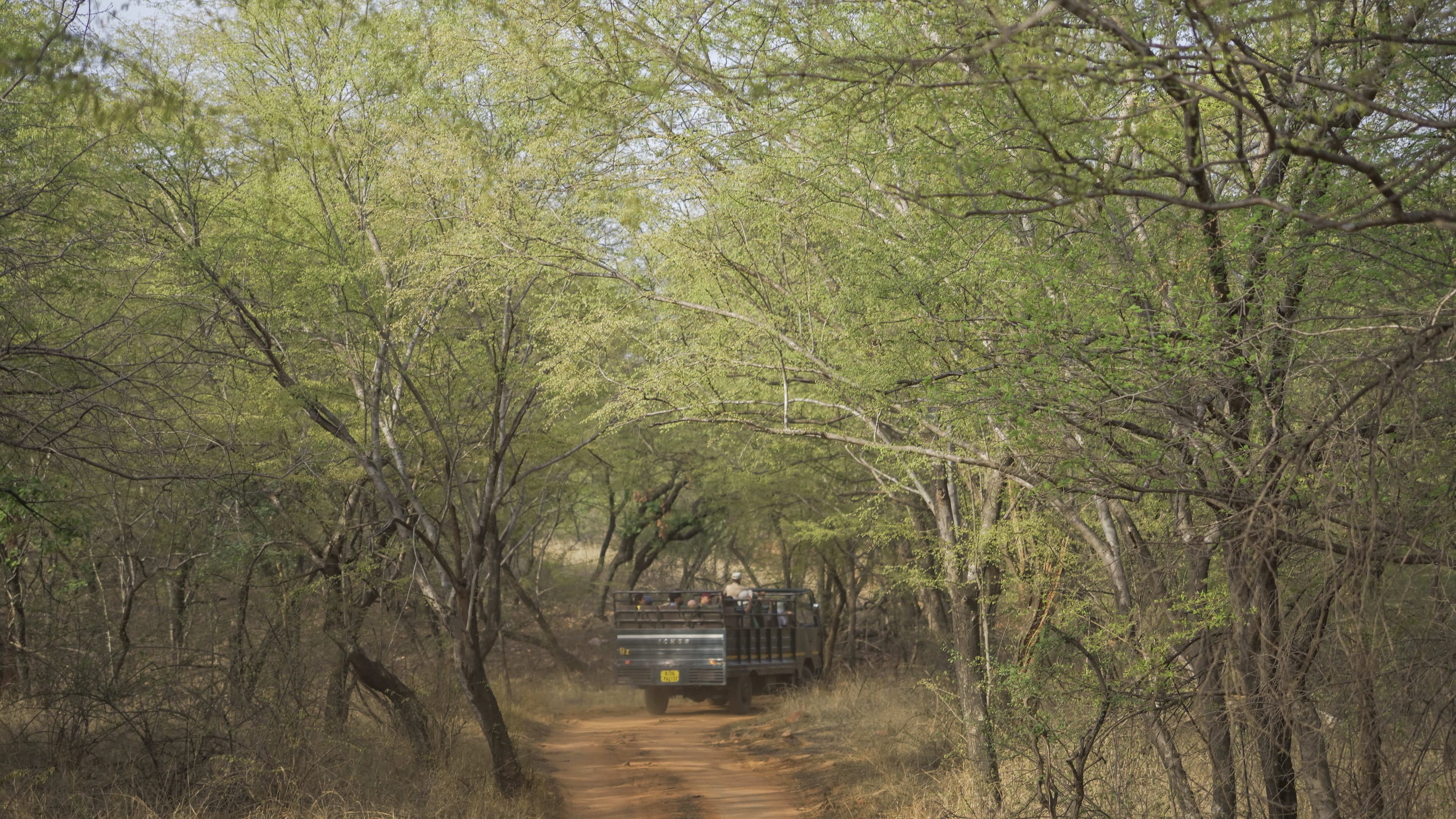
Canter vs Jeep Safari in Ranthambore: Which Should You Book?
Canter or Gypsy jeep? Here's how the two Ranthambore safari vehicles actually compare on tiger-sighting odds, cost, comfort, and booking availability.
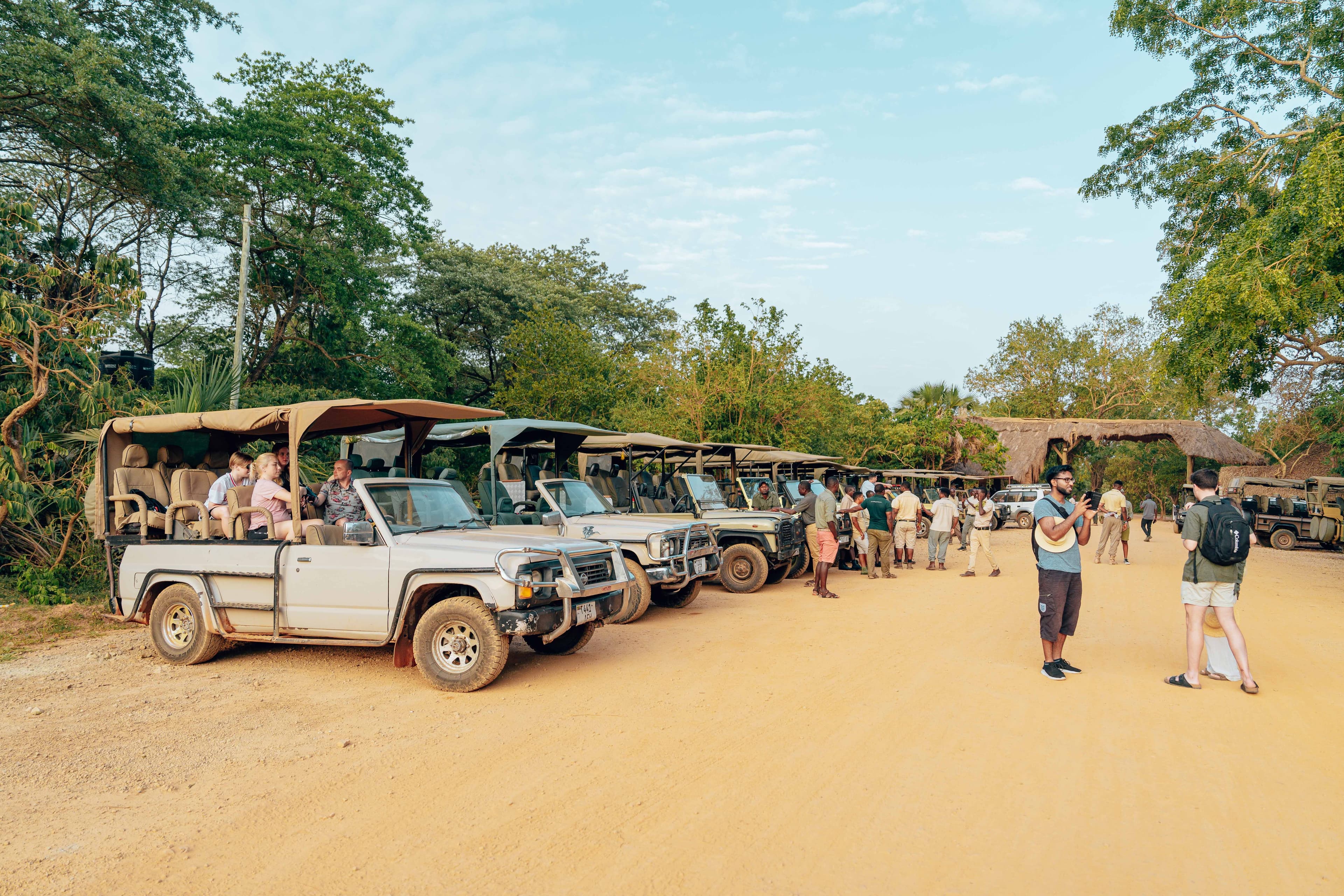
Ranthambore Safari Cost — Price Guide for Canter & Jeep
How much does a Ranthambore safari cost? A clear breakdown of Canter vs Gypsy prices, Indian vs foreigner rates, what's included, and how booking method and season change what you pay.
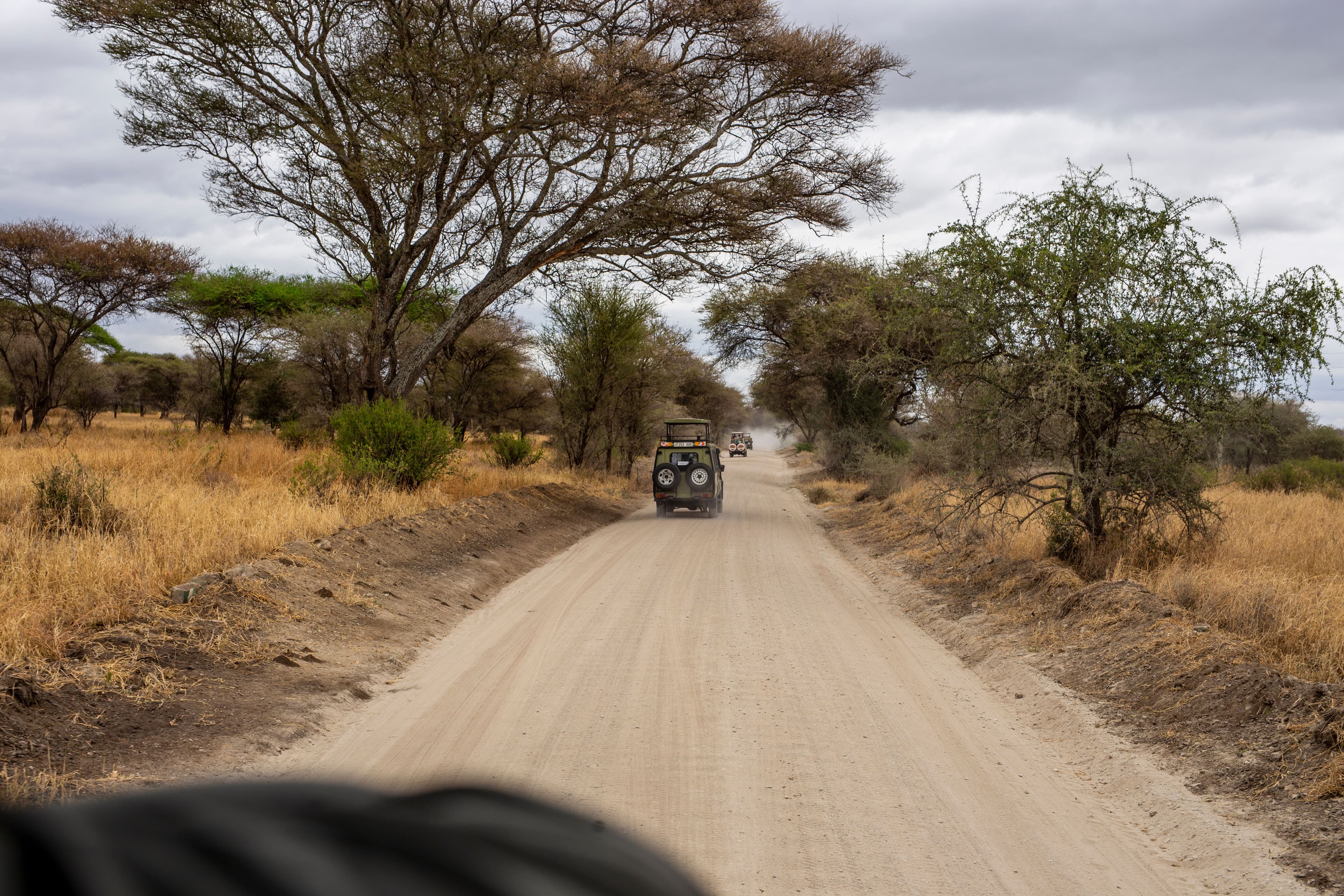
Ranthambore Safari Booking — How to Book, Permits & Tips
Safari permits for Ranthambore are limited and allocated by lottery. Learn how to book online, the best time to book, vehicle types, and expert tips to secure your Ranthambore tiger safari.
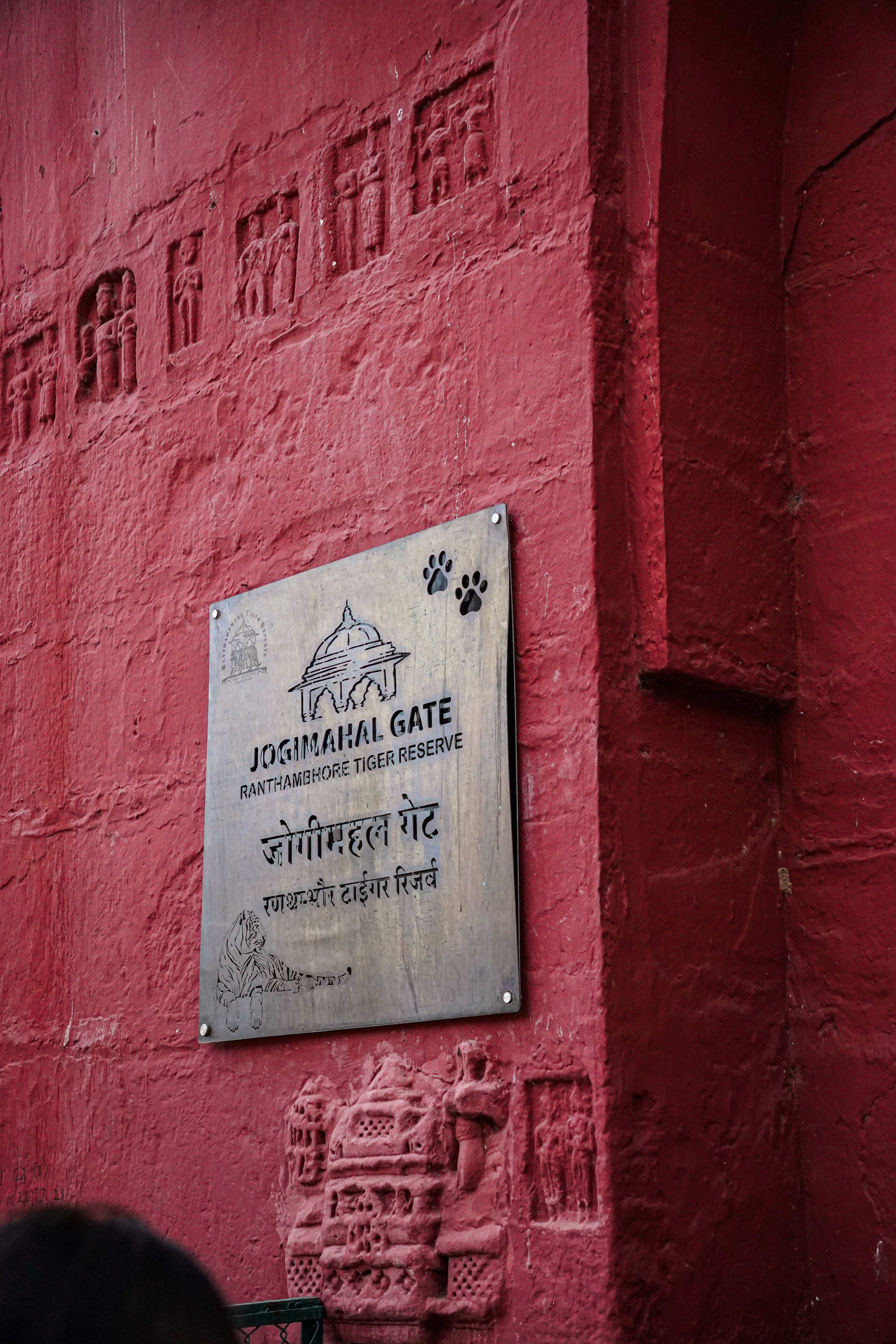
Ranthambore Safari Zones — Complete Guide to All 10 Zones
Ranthambore is divided into 10 safari zones. Zones 1–5 are core tiger territory; zones 6–10 offer untouched landscapes. This guide helps you choose the best zone for your Ranthambore safari.