
Mobile Phone Ban in Ranthambore Safari: Everything You Need to Know (2026)
The mobile phone ban in Ranthambore Tiger Reserve is now in effect across the reserve's core tourism zones, introducing one of the most significant changes to safari regulations in recent years. Visitors are no longer permitted to use mobile phones once their safari vehicle enters the designated core zones. The restriction follows directions issued by the Supreme Court of India on 17 November 2025, which instructed that mobile phones should not be permitted inside the core tourism areas of India's tiger reserves. Ranthambore began implementing the rule during early 2026, making it essential for visitors to understand the updated regulations before their safari.
The restriction is intended to reduce disturbances to wildlife, prevent the live sharing of tiger locations, and encourage a more responsible wildlife tourism experience. Although the regulation officially prohibits mobile phone usage inside the reserve, enforcement practices may vary slightly between tiger reserves. Visitors should therefore plan their safari on the assumption that mobile phones cannot be used inside the core tourism zones and should instead carry a dedicated camera if they wish to photograph wildlife.
What Does the Mobile Phone Ban Cover?
The restriction applies from the moment a safari vehicle enters the core tourism zone of Ranthambore Tiger Reserve. During the safari, visitors are prohibited from using mobile phones for any purpose.
The restriction includes:
Carrying or using a mobile phone during the safari
Making or receiving phone calls
Taking photographs or recording videos using a mobile phone
Live streaming from inside the reserve
Accessing or posting on social media during the safari
The regulation applies to both smartphones and basic feature phones, regardless of whether network coverage is available. The objective extends beyond preventing phone calls; it is intended to discourage the use of mobile devices altogether so that visitors remain focused on the wildlife and avoid disturbing the natural environment.
Enforcement is carried out by the Forest Department with the assistance of safari guides and field staff. Since the restriction originates from a Supreme Court directive rather than a local advisory, it is intended to be implemented consistently across India's tiger reserves.
Why Were Mobile Phones Banned?
The restriction was introduced to address several conservation and visitor-management concerns that had become increasingly common inside tiger reserves.
1. Live Sharing of Tiger Locations
One of the primary concerns involved the rapid sharing of tiger sightings through messaging applications such as WhatsApp. Once a tiger was spotted, its location was frequently shared among safari drivers and guides, causing multiple vehicles to converge on the same area within a short period.
Footage recorded inside Ranthambore showed safari vehicles surrounding a tiger while visitors attempted to photograph and film the animal from close range. Such incidents highlighted the need for stricter regulation of mobile phone usage and reinforced concerns about overcrowding around wildlife sightings.
2. Disturbance to Wildlife
Mobile phones also contributed to unnecessary disturbances inside the reserve. Ringtones, notification sounds, conversations, and other digital distractions can disrupt the quiet forest environment. Although Ranthambore's tigers are accustomed to safari vehicles, repeated noise and excessive vehicle concentration around sightings may influence their natural behaviour, movement patterns, hunting activity, and resting periods.
Reducing these disturbances formed one of the central conservation arguments supporting the restriction.
3. Distraction During Safari
Safari guides increasingly observed visitors focusing on mobile screens rather than the wildlife itself. Many tourists prioritized taking selfies, recording videos, or creating social media content instead of responsibly observing animals in their natural habitat.
The restriction encourages visitors to experience the safari more attentively by relying on observation and binoculars rather than mobile devices.
4. Strengthening Wildlife Management
The mobile phone restriction also supports broader wildlife management objectives by reducing unnecessary vehicle movement toward reported tiger sightings and improving overall traffic management within sensitive habitats.
The Supreme Court directions that introduced the phone restriction also included measures affecting night safaris in core tourism zones and emphasized tighter regulation of tourism activities within critical tiger habitats. As a result, the mobile phone ban forms part of a wider conservation initiative rather than an isolated regulation specific to Ranthambore.
Where Did the Mobile Phone Ban Originate?
Although the restriction is often described as a decision by the Forest Department, its origin lies in directions issued by the Supreme Court of India on 17 November 2025 regarding the management of tiger reserves. The Court directed that mobile phones should not be permitted inside the core tourism zones of India's tiger reserves as part of a broader effort to strengthen wildlife conservation and regulate tourism activities within ecologically sensitive areas.
Because the restriction is based on a Supreme Court directive rather than a local advisory, it applies nationally and is intended to be implemented across tiger reserves instead of being left to the discretion of individual park authorities.
Implementation took place gradually during early 2026. Jim Corbett Tiger Reserve in Uttarakhand began enforcing the restriction on 5 February 2026, followed shortly by Ranthambore Tiger Reserve. Sariska Tiger Reserve in Rajasthan implemented similar measures around 23 February 2026. Other major tiger reserves, including Bandhavgarh, Kanha, Pench, and Tadoba, are also covered under the same Supreme Court directions.
At present, no official end date has been announced. Visitors should therefore consider the restriction a permanent safari regulation unless revised by the Supreme Court or the respective reserve authorities.
Are Cameras Still Allowed?
Yes. The restriction applies specifically to mobile phones and does not prohibit wildlife photography using dedicated cameras.
Visitors may continue to carry and use:
DSLR cameras
Mirrorless cameras
Point-and-shoot cameras
Telephoto lenses and other approved photography equipment
Photography remains subject to the existing camera regulations of Ranthambore Tiger Reserve. Any applicable camera fees continue to apply in the same manner as before the mobile phone restriction was introduced.
Commercial photography, filmmaking, documentaries, and other professional productions still require separate permissions from the Forest Department under the existing permit system.
For most visitors, carrying a dedicated camera provides a practical alternative to mobile photography without affecting their safari experience.
How Is the Rule Being Enforced at Ranthambore?
Although the regulation officially prohibits mobile phones inside the core tourism zones, enforcement practices currently differ between tiger reserves.
Some reserves have introduced lockers at the entry gates, requiring visitors to deposit their phones before entering the park. At Ranthambore, however, current reports indicate that visitors are generally allowed to carry their phones inside the safari vehicle provided they remain switched off or stored away and are not used during the safari. At the beginning of the drive, guides typically instruct visitors to keep their phones inside their bags and refrain from using them, particularly for photography or video recording.
As with many newly introduced regulations, enforcement is still evolving. While some visitors have reported seeing others ignore the restriction, this should not be interpreted as official permission to use mobile phones inside the reserve.
Forest officials retain the authority to take action if a visitor is found using a mobile phone within the core tourism zone. Depending on the circumstances, this may result in penalties under applicable wildlife protection regulations. Safari guides may also face consequences if repeated violations occur during safaris conducted under their supervision.
For this reason, visitors are strongly advised to treat the restriction as fully enforceable, regardless of how consistently it may currently be monitored. The safest approach is to keep mobile phones stored away throughout the safari and use a dedicated camera for photography.
Does the Ban Apply to Guides and Drivers?
Yes. The restriction is intended to apply not only to tourists but also to safari guides, naturalists, and vehicle drivers.
One of the primary objectives of the regulation is to eliminate the practice of sharing live tiger locations between safari vehicles through mobile messaging applications. Restricting phone usage among safari staff is therefore considered an important part of the conservation effort.
In practice, guides and drivers may be permitted to carry a mobile phone strictly for emergency communication or official operational purposes. Such use is generally limited to situations involving visitor safety, coordination with Forest Department officials, or other essential communication. Personal use, photography, social media activity, and sharing wildlife locations remain inconsistent with the purpose of the restriction.
Visitors should not expect safari staff to use their phones for photographs or personal communication during the safari, as doing so may place both the staff member and the safari operation at risk of regulatory action.
Frequently asked questions:
Are mobile phones allowed in Ranthambore safari right now?
Officially no — as of 2026 mobile phones are banned inside the core safari zones. In practice at Ranthambore you can usually carry the phone in the vehicle, but the guide will tell you not to use it, and a ranger can fine you if you're caught using it. Don't rely on it for photos.
Can I use my phone just for photography?
No — phone photography is included in the ban. If you want pictures, bring a DSLR, mirrorless or point-and-shoot camera, which remain permitted under the existing camera rules.
Which zones does the ban apply to?
It applies to the core tourism zones of the reserve, which at Ranthambore are Zones 1 to 10. The ban is part of a national Supreme Court order covering the core zones of India's major tiger reserves.
Is there a fixed Penalty for carrying a phone?
No fixed fine amount has been officially published for the phone ban. Action is taken under existing wildlife regulations and can range from a monetary penalty to cancellation of your safari permit, depending on the case.
When will the mobile phone ban be lifted?
No end date has been announced. Because it stems from a Supreme Court order rather than a seasonal park notice, you should plan every safari on the assumption that phones are not allowed until the authorities say otherwise.
Similar Articles
Is Jawai a National Park? Jawai Leopard Safari Guide
Is Jawai a national park? No — it's a wild conservation landscape between Udaipur and Jodhpur where leopards roam free. Here's what that means for your safari.
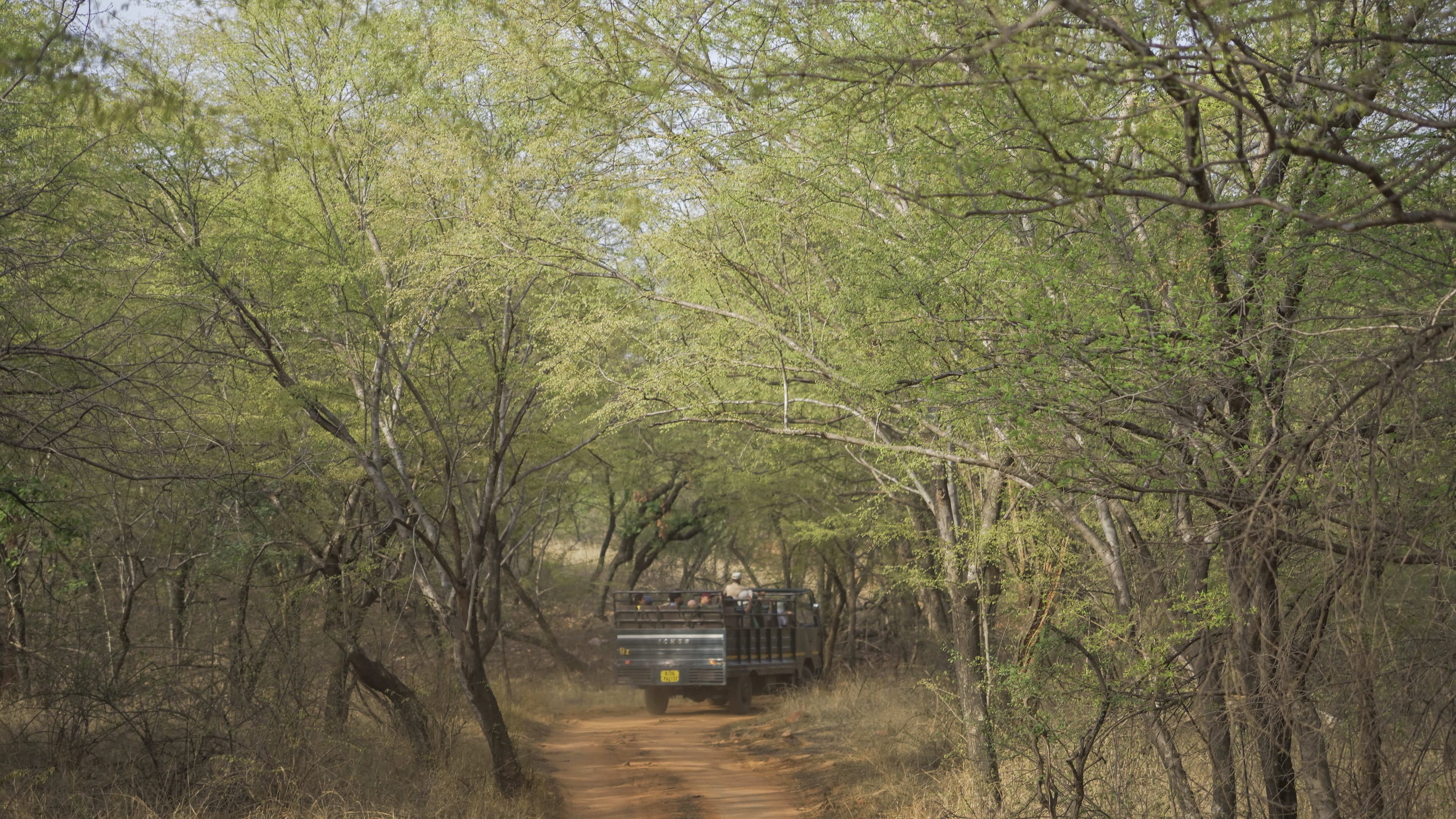
Canter vs Jeep Safari in Ranthambore: Which Should You Book?
Canter or Gypsy jeep? Here's how the two Ranthambore safari vehicles actually compare on tiger-sighting odds, cost, comfort, and booking availability.
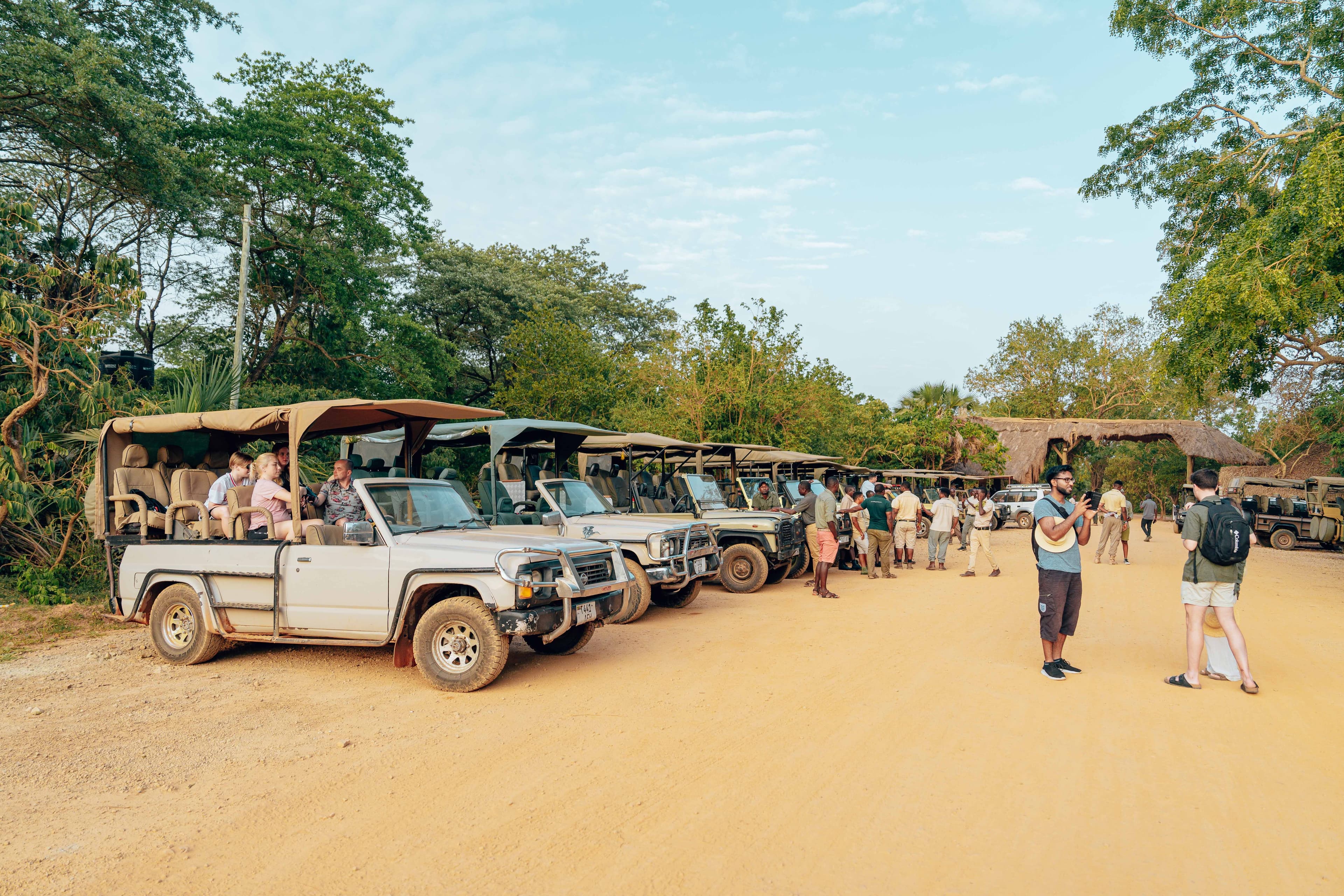
Ranthambore Safari Cost — Price Guide for Canter & Jeep
How much does a Ranthambore safari cost? A clear breakdown of Canter vs Gypsy prices, Indian vs foreigner rates, what's included, and how booking method and season change what you pay.
Ranthambore Safari Booking — How to Book, Permits & Tips
Safari permits for Ranthambore are limited and allocated by lottery. Learn how to book online, the best time to book, vehicle types, and expert tips to secure your Ranthambore tiger safari.
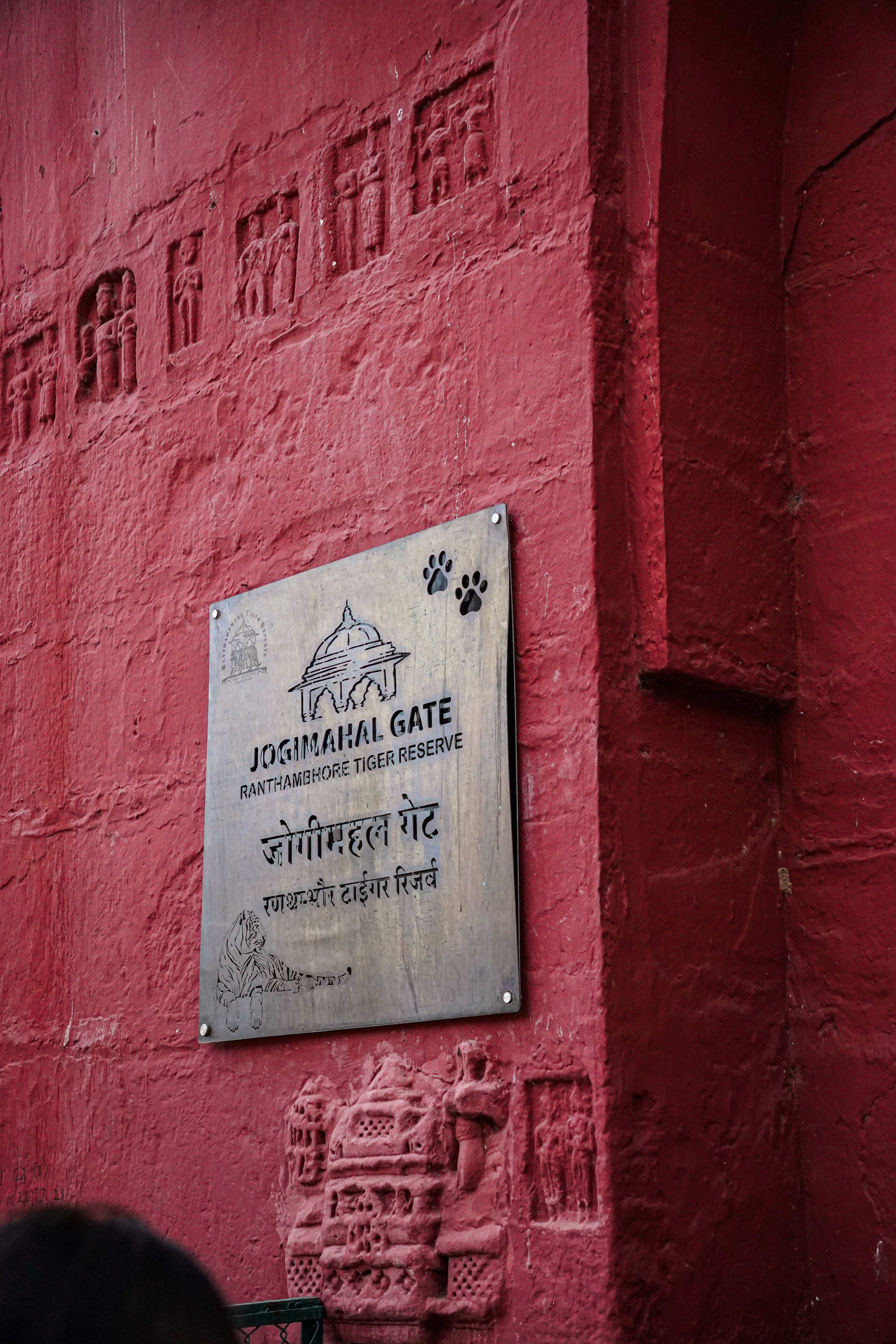
Ranthambore Safari Zones — Complete Guide to All 10 Zones
Ranthambore is divided into 10 safari zones. Zones 1–5 are core tiger territory; zones 6–10 offer untouched landscapes. This guide helps you choose the best zone for your Ranthambore safari.