
The Trinetra Ganesh Temple is the spiritual heart of Ranthambore Fort and one of the most revered Ganesha shrines in Rajasthan. Set high on the fort's ramparts inside Ranthambore National Park, it takes its name from the tri-netra — the three eyes — carved into its central idol, a feature you will not find in an ordinary Ganesha temple. Devotees across India regard it as the “Pratham” or first Ganesha, and many will not begin a wedding or a new venture without first sending word to this shrine. For visitors on a safari, it is both a living place of worship and a monument wrapped inside a tiger reserve.
What Makes Trinetra Ganesh Temple Unique
Unlike the familiar two-eyed depictions of the elephant-headed god, the idol here carries a third eye on its forehead — which is why it is called Trinetra, or “three-eyed,” Ganesha. The third eye is read as a mark of complete vision over past, present and future, giving the deity a rare, watchful presence. The temple is also unusual for enshrining Ganesha with his whole family in one place: his consorts Riddhi and Siddhi, his sons Shubh and Labh, and his vahana, the mouse (mushak). Devotees believe a prayer offered to the entire family, rather than to Ganesha alone, carries special weight — one reason the shrine pulls pilgrims from well beyond Rajasthan.
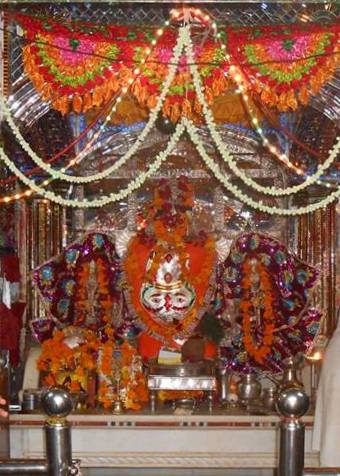
The Legend of King Hammir and the Three-Eyed Idol
The temple's origin is bound to Hammiradeva — King Hammir — the last Chauhan ruler of Ranthambore and a devoted worshipper of Ganesha. Tradition holds that during Alauddin Khilji's long assault on the fort around 1299–1300, the granaries inside began to run dangerously low. One night, Ganesha is said to have appeared in Hammir's dream and promised that his troubles would end by morning. At daybreak an image of the three-eyed Ganesha is believed to have emerged on a fort wall, the stores were replenished, and the crisis passed. In gratitude Hammir is said to have built the shrine around 1300 CE and installed the idol with the deity's family. Some accounts date the original structure earlier, to the 12th–13th century, but its fame is inseparable from Hammir's story. [VERIFY the 1299–1300 dating against a temple or ASI source before publishing.]
The Temple Where Wedding Invitations Arrive by Post
Across India, the first wedding invitation is traditionally addressed to Lord Ganesha, the remover of obstacles — and at this temple the custom is taken literally. Families post the opening card of a marriage to the deity here, alongside letters carrying wishes, prayers and thanks. The temple is said to receive sacks of such mail, with local accounts describing around 20 kilograms of letters a day in peak wedding season, delivered by the postal service to its own address at Sawai Madhopur, PIN 322021. The head priest reads the letters aloud before the idol so that the god may hear each request. Even if you are not getting married, a temple with its own postbox of hopes is one of the more moving things you will come across in Ranthambore. [VERIFY the exact daily volume and the current postal address before printing them.]
Aarti Timings and Daily Darshan
The temple keeps a full daily cycle of worship, with five aartis performed from dawn to night: a morning Prabhat aarti around 6 am, Shringar aarti around 9 am, Bhog at noon, Sandhya aarti at dusk (about 6:30 pm in summer and earlier, near 5:45 pm, in winter), and the Shayan aarti around 8 pm. Darshan is open to all, and there is no fee to enter the temple itself. Wednesdays are considered especially auspicious for Ganesha and draw noticeably larger crowds. [VERIFY current aarti times — they shift with the season.]
Ganesh Chaturthi and the Bhadrapada Fair
The shrine is at its busiest during Ganesh Chaturthi and the annual Bhadrapada Sudi Chaturthi fair, which falls in the Hindu month of Bhadrapada, usually August or September. Over a few days, tens of thousands of devotees make the climb to the fort. The idol is elaborately decorated, bhajans and rituals run through the day, and a fair spreads along the approach to the temple. It is the most vivid time to experience the place — and also the most crowded, worth planning around depending on whether you want the spectacle or the quiet.
How to Reach Trinetra Ganesh Temple
The temple sits inside Ranthambore Fort, a UNESCO World Heritage Site, roughly 12–13 km from Sawai Madhopur town — the nearest railway station and the usual base for visiting the park. The fort, and the temple within it, lie on the approach road that runs through Ranthambore's safari Zone 1 and Zone 3, so many visitors combine the shrine with a game drive. From the fort's base you climb the stone ramp and steps that pass through its seven historic gates — the very first, fittingly, is called Ganesh Pol. Wear comfortable shoes for the ascent. If you are still working out the logistics, our guide on how to reach Ranthambore covers the train, road and air options in detail.
Vehicle access changed in 2025: after the tiger attacks on the temple route that year, only locally registered vehicles (RJ25 plates) and the licensed fort-route jeeps are allowed to drive to the fort base — cars from outside Sawai Madhopur must be swapped for a local jeep or taxi in town. Every hotel can arrange one; it is a routine daily run. Full details, timings and the climb are in our Ranthambore Fort visiting guide.
Best Time to Visit and Practical Tips
Early morning, just after the temple opens, is the calmest time for darshan and the coolest for the climb. Wednesdays and the Ganesh Chaturthi period are the liveliest but most crowded. October to March brings the most comfortable weather for the uphill walk, overlapping neatly with the park's main safari season — see our note on the best time to visit Ranthambore to line up your trip. Carry water, dress modestly for a place of worship, and remember that the temple shares the fort with wildlife: langurs are everywhere, and the surrounding forest is genuine tiger country.
Because the fort road runs through Zones 1 and 3, the easiest way to see the temple is to pair it with a morning or afternoon game drive. When you are ready, you can book a Ranthambore safari through Zone 1 or Zone 3 and take in the temple, the fort and the park's tigers on a single trip.
Frequently Asked Questions
Why does Trinetra Ganesh have three eyes?
The idol carries a third eye on its forehead in addition to the usual two, which is what gives the temple its name — tri-netra means “three-eyed.” The third eye is understood as a symbol of all-seeing vision over the past, present and future.
Can you really send a wedding invitation to Trinetra Ganesh Temple by post?
Yes. Following the Hindu custom of inviting Ganesha first, families post the opening wedding card of a marriage to the temple, and it receives large volumes of such letters, especially in wedding season. The temple has its own postal address at Sawai Madhopur, PIN 322021. [VERIFY the current address before you print it.]
What are the aarti timings at Trinetra Ganesh Temple?
The temple performs five aartis a day — roughly 6 am, 9 am, noon, dusk (around 6:30 pm in summer) and 8 pm. The times shift slightly with the season, so confirm locally before you go. [VERIFY]
How do you reach Trinetra Ganesh Temple in Ranthambore?
The temple is inside Ranthambore Fort, about 12–13 km from Sawai Madhopur railway station. The fort road passes through safari Zones 1 and 3, and reaching the shrine involves a climb up the fort's stepped approach through its historic gates.
Is there an entry fee for Trinetra Ganesh Temple?
There is no fee to enter and pray at the temple itself. If you reach the fort on a safari, a fort monument ticket applies (₹15 for adults and ₹10 for children), and normal safari permit charges cover the game drive. [VERIFY current ticket prices.]
Images: “Ganesh Temple at Ranthambore Fort” by Jpmeena and “Trinetra Ganesh, Ranthambore Fort” by Gopalsinghal7, both licensed under CC BY-SA 3.0, via Wikimedia Commons.
Similar Articles
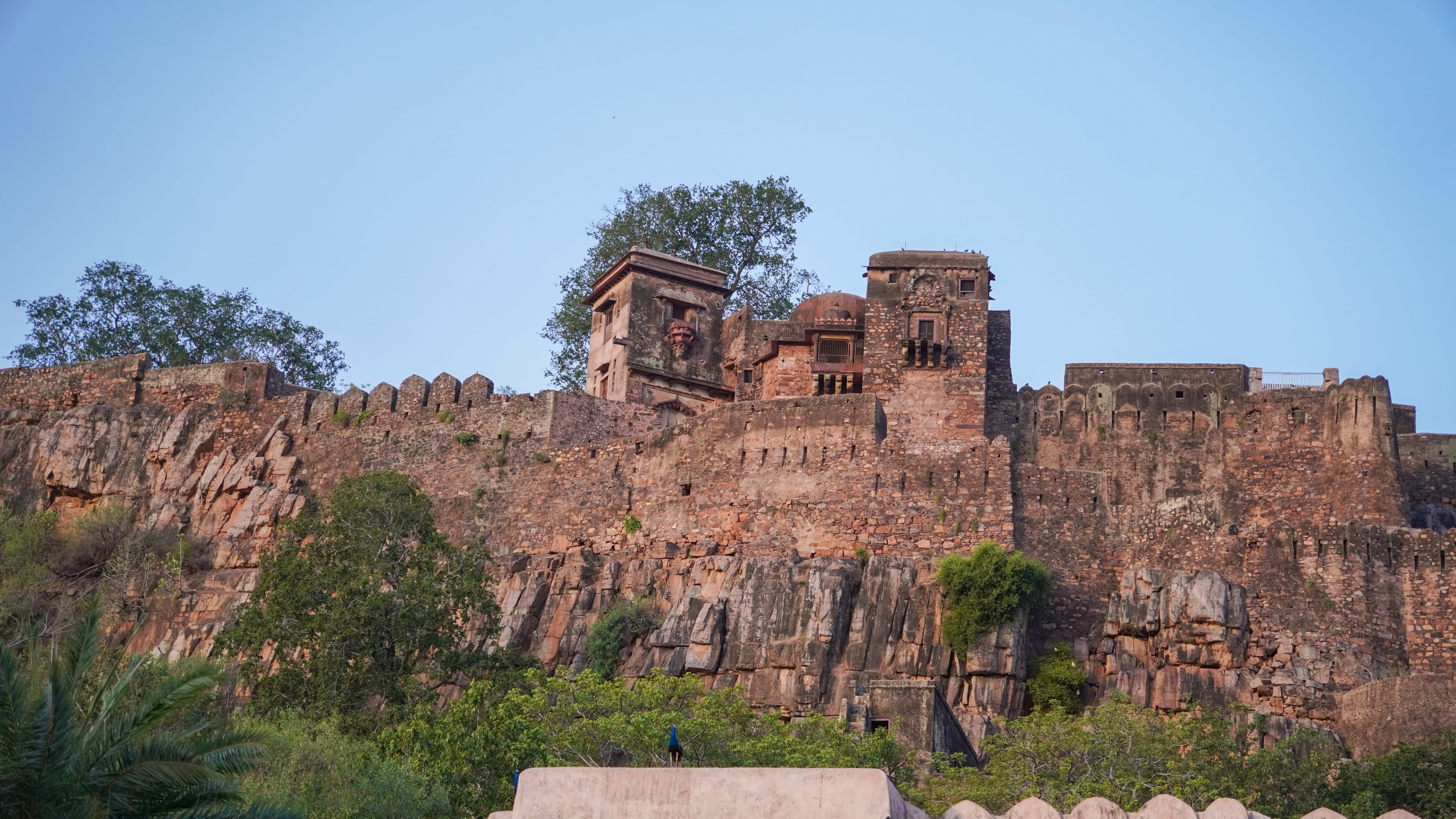
Ranthambore Fort Timings, Tickets & How to Visit
Ranthambore Fort is open sunrise to sunset (about 6 am–6 pm) and entry is free — no safari permit needed. The timings, the climb, how to reach it, and tips.
Ranthambore Fort History: Who Built It & the 7 Gates
Who built Ranthambore Fort, and why did it fall? A 1,000-year UNESCO citadel with seven gates, hidden temples, and jauhar legends — plus visiting tips.